
Vattenfall deploys updated installation techniques to support next-generation large offshore wind turbines
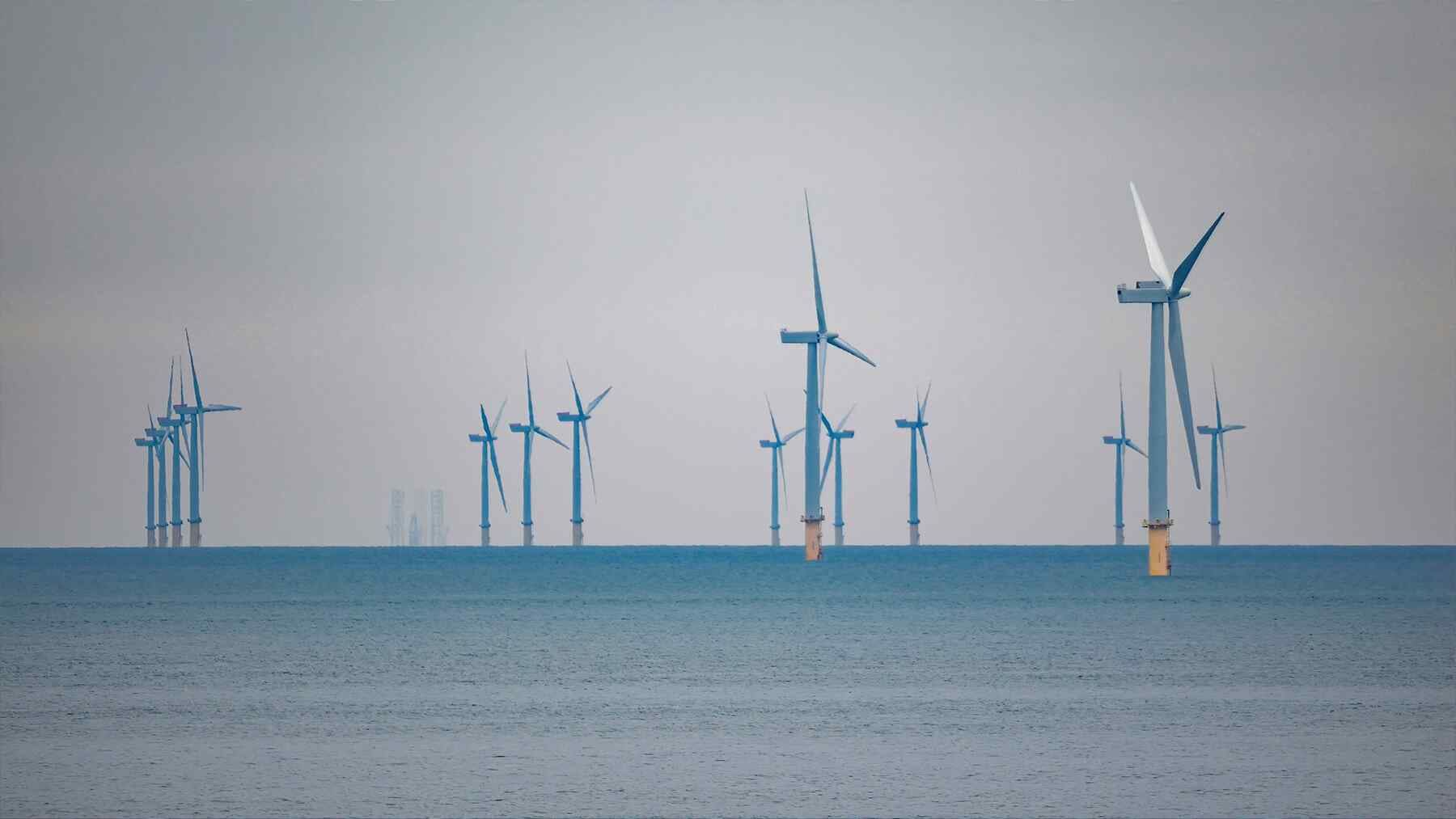
The European wind energy landscape is thriving at the moment, with countries displaying a great deal of solidarity and togetherness in the initiatives that they pursue. China and the United States receive the most attention for being the leaders of the clean energy transition. Still, European countries such as Germany and Denmark are powerhouses and deserve to be in the same conversation. With wind facilities becoming more sophisticated, companies are being forced to invest more money to ensure that they maximize energy generation. One of Europe’s successful entities, Vattenfall, deployed updated installation techniques to support next-generation large offshore wind turbines.
Vattenfall strengthens its wind energy portfolio in a future-driven initiative
Vattenfall is one of Europe’s largest producers and retailers of electricity and heat, focusing on fossil-free energy production. The entity has an estimated 21,000 employees and is headquartered in Solna, Sweden. It is fully owned by the Swedish state, which explains why it has the financial backing to execute groundbreaking initiatives.
In a display of the company’s commitment to establishing a presence within different nations, it provides energy for a variety of markets, including Germany, the Netherlands, Denmark, and the U.K. Vattenfall is transforming offshore wind construction as turbine sizes continue to grow.
With the Nordlicht offshore wind cluster in the German North Sea, the company is introducing upgraded installation methods suitable specifically for the latest generation of 15 MW-class turbines.
These advanced machines are larger, heavier, and more sophisticated than anything ever installed at scale in the industry’s history. As an act of preparation, Vattenfall is moving crucial testing and assembly simulations onshore before the first offshore components are deployed.
An assessment of how Vattenfall is actively preparing for a new phase of offshore wind development
The energy industry is ever evolving because, as time goes on, companies gain access to more resources that allow them to execute any ambitious plans that they might have had in the past. The Nordlicht cluster, consisting of Nordlicht I and Nordlicht II, will deliver more than 1.6 GW of installed capacity once complete.
Vattenfall intends to install 112 next-generation turbines, including 68 units at Nordlicht I and 44 at Nordlicht II, using the Vestas V236-15.0 MW platform. This is a platform that is gaining more popularity in contemporary wind energy initiatives, which is a testament to how advanced it is.
Its features include rotor diameters stretching 236 meters. The turbines are officially recognized as being among the largest ever designed for commercial deployment. Their scale requires a new level of care during transport, lifting, and installation.
Updated installation techniques to support next-generation large offshore wind turbines
Conventional offshore installation methods are tried and tested, but companies are willing to experiment by adapting them to accommodate heavier monopoles, larger transition pieces, and taller turbine towers. Vattenfall’s solution is to approve every essential operation before vessels even leave port.
Manuel Fischer, who is the EPC Director of Nordlicht at Vattenfall, said the following:
“Such intensive onshore preparation shows how important close cooperation between our teams and partners is. By testing interfaces, processes and safety aspects early on, we create the foundation for a safe and efficient implementation of Nordlicht offshore,”
One of the most integral innovations is Vattenfall’s use of full-scale onshore mock-up testing. At CS Wind Offshore’s facility in Denmark, installation teams are rehearsing the handling and assembly of transition pieces weighing approximately 362 tons.
Looking ahead: How important will Vattenfall be in the future wind landscape?
The simulations taking place at CS Wind’s Offshore facility enable engineers to test things like lifting procedures, alignment tolerances, and installation sequences in a controlled environment. Through discovering potential challenges early, Vattenfall will be able to address costly delays once offshore operations begin.
A standout innovation is the use of next-generation piling technologies such as EQ-Piling. This is a huge advantage because it can lower underwater noise, improve installation efficiency, and reduce environmental impacts compared with traditional methods.
Prince is a versatile writer focused on energy, automotive, environmental, and general news topics. He makes complex technical and policy issues clear, engaging, and accessible for a broad audience.
