
Power to Hydrogen delivers its first commercial 0.5 MW AEM electrolyzer from Ohio to a customer in Antwerp
The United States is one of the leading hydrogen-producing countries in the world, as it relies on its high level of expertise and technological innovation. The nation possesses an abundance of companies that are willing to invest millions of dollars in projects that assist in achieving national clean energy targets. The U.S. government has also played an integral role in the projects that have materialized because it approves of initiatives much quicker, with the understanding that the country has targets to meet. As of late, Power to Hydrogen delivered its first commercial 0.5 MW AEM electrolyzer from Ohio to a customer in Antwerp.
A background overview of Power to Hydrogen as a leader in the energy industry
Power to Hydrogen (P2H2) has developed a reputation for designing and manufacturing industrial-scale hybrid AEM electrolyzer systems that are built to deliver PEM-like dynamic performance with a lower-cost, scalable materials pathway that avoids iridium and lessens dependence on scarce materials.
The company’s modular platforms are specifically engineered for renewable load-following and industrial duty cycles to make renewable hydrogen-cost competitive, with systems designed to integrate directly with variable renewable power.
Hydrogen projects are among the most complex to execute because of the intricacies that are involved and the various types of hydrogen that can be developed. As such, companies must be able to meticulously and strategically decide the type of initiatives that they pursue before investing millions of dollars into them.
Power to Hydrogen delivers its first commercial 0.5 MW AEM electrolyzer from Ohio
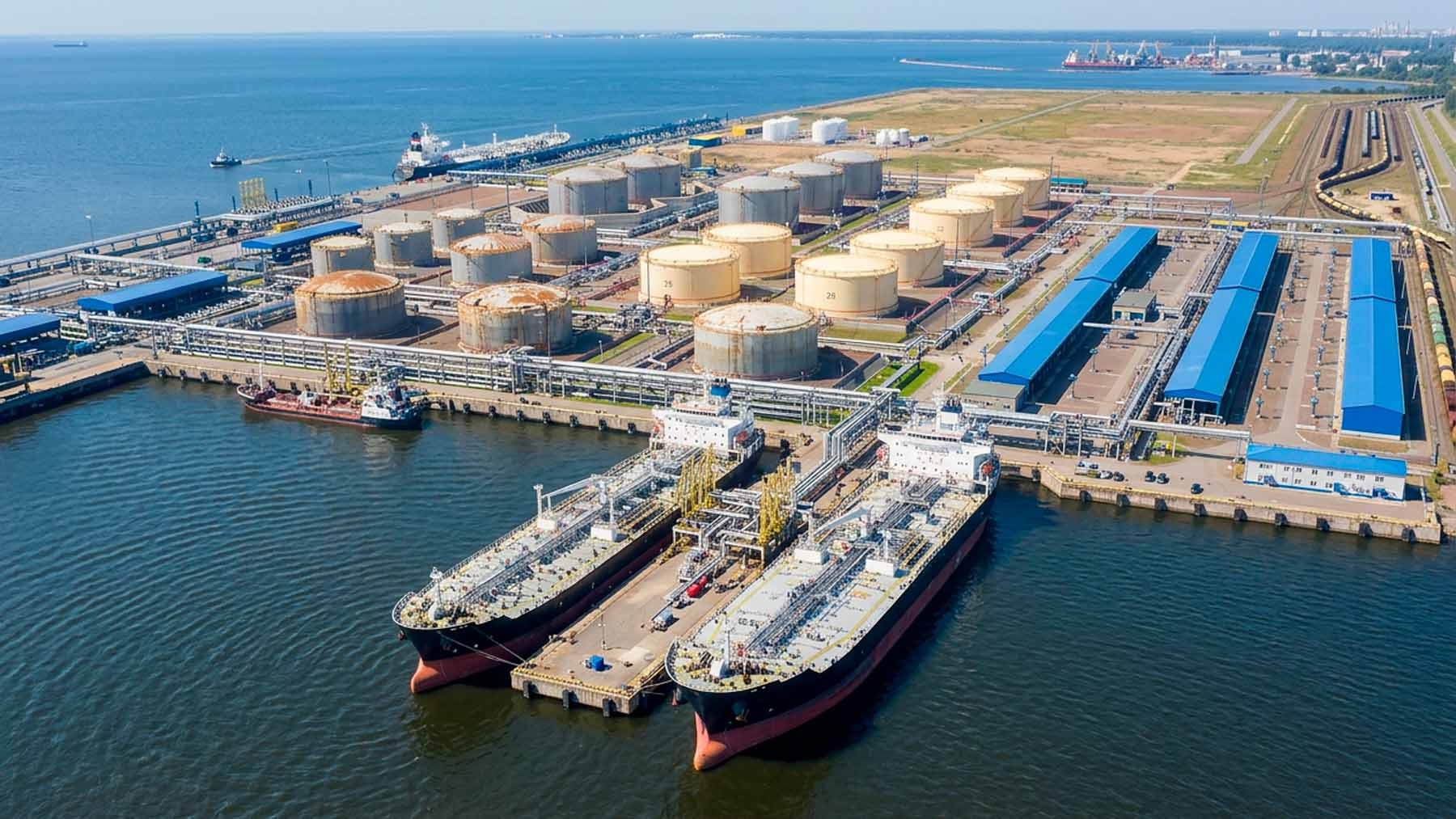
A press release from Power to Hydrogen revealed that the company has delivered and started the installation of a first-of-a-kind half-megawatt AEM electrolyzer at the Port of Antwerp-Bruges in Belgium. There has been an ongoing trend of companies successfully executing first-of-its kind projects mainly because technology now permits developers to execute projects that once were not possible.
The project is recognized as the world’s first to use 250-kilowatt AEM electrolyzer stacks and, once commissioned, will be the first AEM system to display renewable hydrogen production in a high-throughput industrial port environment under real operating conditions. Power to Hydrogen is set to enhance its overall reputation and is likely to be at the heart of many upcoming hydrogen projects.
The company’s milestone represents a huge step in the right direction as it seeks to deliver cost-competitive hydrogen at scale and set the stage for its public launch, planned for September. One of the most effective ways that companies are able to generate revenue in the energy industry is by capitalizing on certain moments within the energy industry and delivering as many projects as they can while the moment still lasts.
In this case, the Port of Antwerp-Bruges system is Power to Hydrogen’s first commercial deployment of its M-Class hybrid AEM electrolyzers, designed to scale to 25 megawatts for high-demand industrial environments.
Analyzing the impact of Power to Hydrogen’s Port of Antwerp-Bruges project
There is great excitement in the Belgian energy industry and from Power to Hydrogen following the announcement of the project. Rob Smeets, CEO of Port of Antwerp-Bruges stated the following:
“Port of Antwerp-Bruges is a hub where ambition and action come together. By welcoming Power to Hydrogen’s commercial-scale AEM electrolyzer, we take another concrete step in supporting the demonstration of scalable, flexible technologies in Europe that are needed in Europe’s energy transition.”
Looking ahead: How important will Power to Hydrogen be in future projects?
The Port of Antwerp-Bruges system is built on industrial 250-kilowatt stack modules and is engineered for dynamic operation and efficiency, including sub-50-millisecond response for renewable load-following and pressurized operation that lessens downstream compression demands and simplifies the balance of plant. This modern-day technology is set to replace expensive precious metals in PEM electrolyzers with low-cost materials like steel and nickel.
Through pairing performance with a lower-cost materials pathway, the company’s AEM systems can lessen CAPEX costs by up to 65% compared to PEM electrolyzers. The company will be integral to the ongoing clean energy transition not just in the U.S. but globally.
Prince is a versatile writer focused on energy, automotive, environmental, and general news topics. He makes complex technical and policy issues clear, engaging, and accessible for a broad audience.
