
Worley wins three BCEI engineering contracts to power US data center campus developments
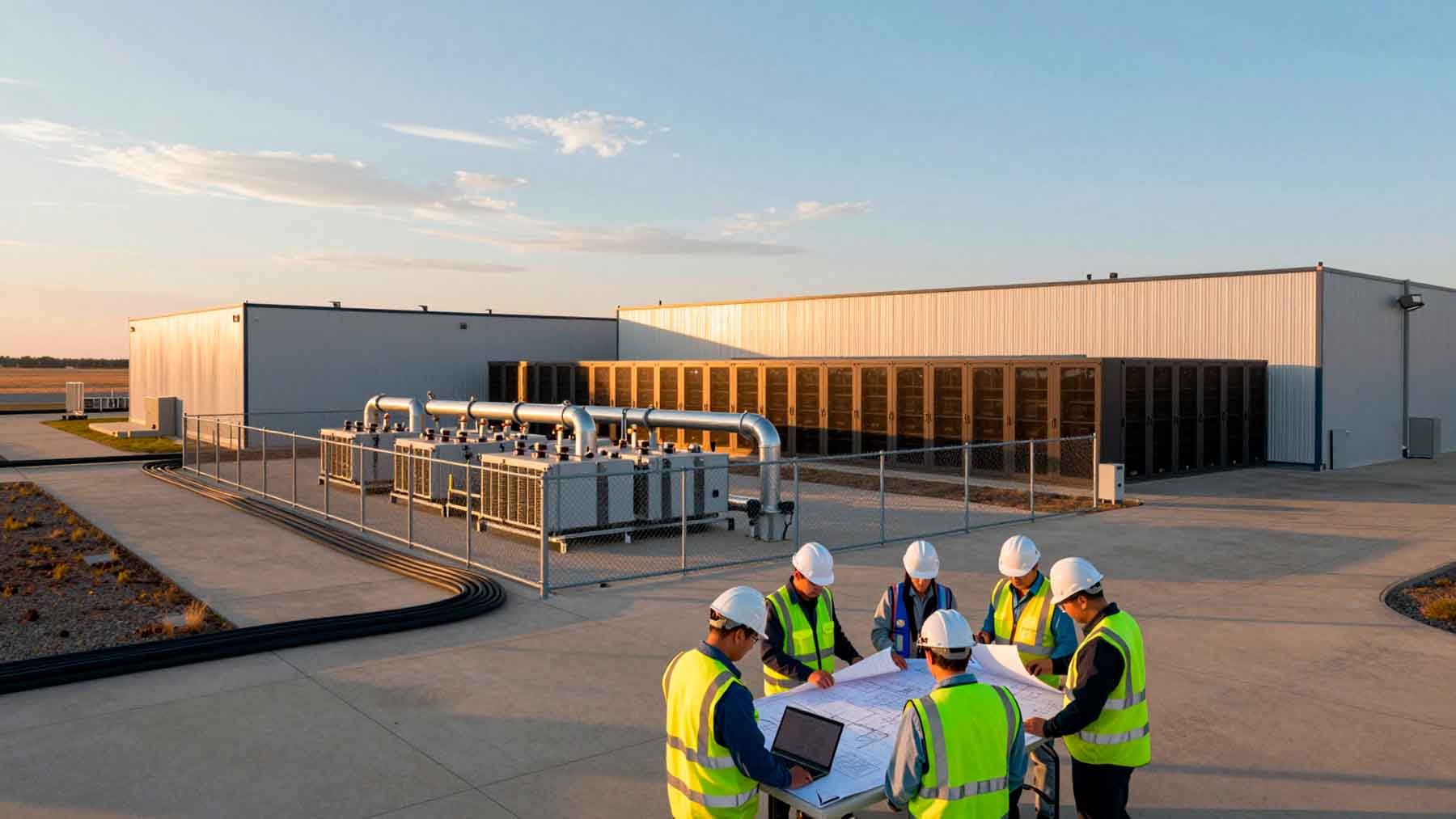 Image generated with artificial intelligence
Worley just landed three engineering services contracts from Burr Computer Environments, Inc. (BCEI) to handle engineering, detailed design, and procurement support for energy center projects across the United States. The work centers on behind-the-meter power infrastructure serving data center campus developments in multiple locations.
Worley awarded three BCEI engineering contracts for US energy centers
Three contracts from the same client in a single announcement is worth paying attention to. For Worley, these awards from BCEI aren’t just a numbers story—they represent a clear foothold in one of the fastest-growing infrastructure segments in the US right now.
The scope across all three contracts covers engineering, detailed design, and procurement support. Each project ties directly to a data center campus, with Worley responsible for designing the energy centers that power those facilities. Delivery runs out of Worley’s Houston, Charleston (West Virginia), and Reading offices, backed by the company’s Global Integrated Delivery team.
The workloads they run—cloud computing, AI processing, large-scale storage—need continuous, high-volume electricity with almost zero tolerance for interruption.
Growing demand for reliable, behind-the-meter power drives the contracts
Data centers aren’t ordinary power consumers. The workloads they run—cloud computing, AI processing, large-scale storage—need continuous, high-volume electricity with almost zero tolerance for interruption. A brief outage that’s a minor inconvenience elsewhere can translate into serious operational and financial consequences for a data center operator.
That pressure is pushing more operators toward behind-the-meter generation. Instead of leaning entirely on the public grid, behind-the-meter setups let a campus generate its own electricity on-site. The facility still connects to the grid in most cases, but on-site generation adds a layer of control that utility supply alone can’t always deliver.
Purpose-built energy centers designed specifically for data center campuses are the result. It’s a specialized niche—one that requires engineering teams comfortable working across power generation, electrical distribution, and energy storage simultaneously. Worley’s existing capability in complex energy systems puts it in a solid position to take on exactly this kind of work.
Energy centers to combine gas turbines, reciprocating engines, and battery storage
These energy centers won’t run on a single technology. According to the project details, each facility will use a combination of gas turbines and aeroderivative turbines alongside reciprocating engines—a multi-technology setup that gives operators real flexibility in how they dispatch power and manage load.
Aeroderivative turbines, derived from aircraft jet engine designs, are known for fast startups and quick responses to shifting power demands. That’s a useful trait when generation needs to ramp up or down as workloads change. Reciprocating engines bring similar flexibility and work well for reliable baseload or peaking power at a smaller scale.
Battery energy storage systems will also be integrated into each energy center, adding another resilience layer. The campus can tap stored energy during peak demand or if generation dips unexpectedly. Worley’s scope also covers intra-campus electrical distribution infrastructure—so the work isn’t limited to generation assets alone, but extends to how power moves across the campus once it’s produced.
Contracts align with Worley’s strategy to expand in power and data center markets
Worley CEO Chris Ashton put it plainly. “Together, these projects represent a significant program of energy infrastructure supporting the growth of major data center developments in the United States,” he said. “There is increasing demand for reliable power solutions with power-intensive workloads, and this aligns with our strategy to grow in future-facing growth markets including power and data center infrastructure.”
That strategic framing matters. These contracts aren’t standalone wins—they reflect a deliberate push to build presence in markets where infrastructure investment is accelerating. US data center expansion has been moving fast, fueled by rising demand for cloud services and the rapid growth of AI-driven computing. Both trends require more physical infrastructure, and more infrastructure needs more power.
Behind-the-meter generation is emerging as a meaningful segment within the broader energy engineering sector as a result. Operators who once relied mainly on utility supply are increasingly commissioning dedicated on-site generation capacity, creating sustained demand for exactly the kind of engineering work Worley is now contracted to deliver for BCEI.
What the three contracts mean in practice
The key facts are straightforward. Worley has secured three engineering services contracts from BCEI covering engineering, detailed design, and procurement support for energy centers tied to US data center campus developments. Work runs from three US offices—Houston, Charleston (WV), and Reading—with Global Integrated Delivery team support behind them.
Each energy center will incorporate gas turbines, aeroderivative turbines, reciprocating engines, battery energy storage systems, and intra-campus electrical distribution. That technology mix directly reflects the reliability and flexibility requirements data center operators consistently place at the top of their list.
For Worley, these contracts are a concrete step in its stated strategy to grow in power and data center infrastructure markets. For the broader sector, they’re a visible signal that behind-the-meter generation is moving from an emerging concept to an active area of engineering investment across the United States.

Kelly is an experienced writer with 15 years of experience exploring the big stories that shape our world, from tech breakthroughs and space exploration to climate, energy, and the fascinating quirks of science. She has a talent for turning complex ideas into sharp, memorable insights that stay with readers long after they’ve finished reading.
