
Nevada solar site could function as a movement corridor for desert bighorn sheep
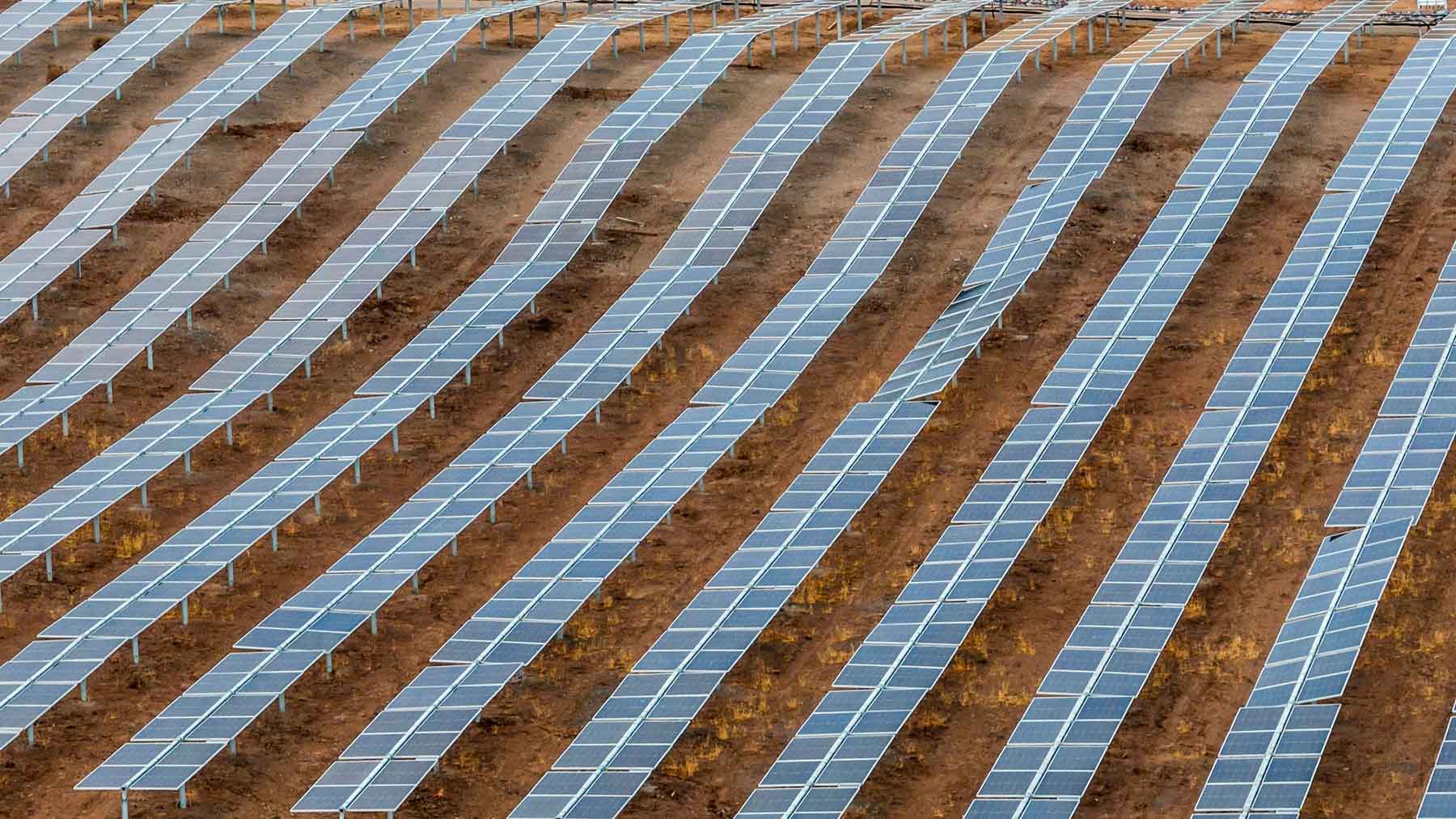
Nevada is set to host a massive solar-and-battery farm, but ecological impact concerns must be addressed first.
Renewable energy projects are rapidly increasing across the American West to meet rising electricity needs.
Harsh, arid regions are being favored for clean power generation due to the distinct benefits offered.
The Southwest’s desert regions have emerged as prime locations for large-scale renewable energy development, especially solar installations.
However, usually, before any construction commences, the opportunity to contest is given.
Will Nevada’s facility make it to the construction phase soon?
How the American energy landscape has shifted
The United States’ annual electricity consumption growth has significantly changed.
For almost two decades, this growth rate stagnated at under 1 percent.
However, this long-standing stasis abruptly changed over the past few years.
The nation’s energy demand has entered a stage of unprecedented surge.
Five-year predictions for peak load growth increased from 24 gigawatts to 166 gigawatts.
Cloud computing, generative artificial intelligence, and data centers have pushed power usage into an era of significant grid strain.
Additionally, federal policy incentives and global supply chain changes have driven energy-intensive domestic manufacturing.
This includes heavy industrial processing, semiconductor production plants, and advanced battery facilities.
Widespread electrification is the final drop in the bucket.
Altogether, these factors raise the risk of national power grids buckling under peak-load pressure.
With the supply gap growing and wholesale electricity prices increasing, rapid deployment of clean power generation has become urgent.
Fortunately, the U.S.’s desert regions offer the ideal development location.
An arid, harsh frontier to boost solar generation
The Southwest’s desert regions have emerged as prime locations for large-scale renewable energy development, especially solar installations.
These environments may be harsh, but they are also sun-drenched, offering immensely high solar radiance.
Additionally, the minimal annual rainfall and vast expanses of flat terrain make these regions ideal.
The unobstructed, level land reduces site preparation costs and simplifies infrastructure design.
By deploying solar projects in desert environments, developers also avoid land-use conflicts associated with residential property and agriculture.
These favorable conditions have driven solar capacity expansion across the U.S. at a rapid pace.
Utility-scale photovoltaic projects continuously break records, with annual additions surging past 40 gigawatts in 2026.
However, transforming deserts into power generation hubs is not straightforward.
These major projects require years of planning, design, and compliance studies.
The Bureau of Land Management (BLM) plays a critical role in this because desert land across western states is federally managed.
The challenges of Nevada’s proposed solar project
Solar panels are increasing across the Nevada desert, but one proposed project must still address concerns before joining the grid.
This project is the Copper Rays Solar Project, which is undergoing a rigorous multi-year review process.
It will be located in Nye County’s Pahrump Valley, roughly 40 miles west of Las Vegas.
The project will stretch across 4,414 acres of public land managed by the BLM.
The facility will combine a 700-megawatt solar power field with a 700-megawatt battery energy storage system.
Copper Rays EIS Appendix D details the project’s ecological risks, the BLM’s environmental datasets, and proposed mitigation measures.
Addressing potential wildlife impact risks
Primary concerns focus on habitat fragmentation and wildlife movement corridor obstruction.
Animals travel between the Spring Mountains to the east and the Pahrump ranges to the west. This makes the open valley floor an inter-mountain crossing corridor.
To reduce local herd isolation and maintain genetic exchange, mitigation measures should be implemented.
Suggested measures include:
- Wildlife-friendly fencing
- Seasonal construction restrictions during peak migration periods
- Off-site habitat enhancements
These suggested mitigation efforts will help balance utility-scale solar power generation with long-term biodiversity conservation.
The BLM released the Final Environmental Impact Statement on August 21, 2026, along with the resource management plan amendment.
Currently, the project is still in the protest and resolution stage.
Ultimately, by implementing environmental preservation measures, the project’s progress will be significantly fast-tracked.
Anke Maree is a writer with a clear and engaging editorial style. Her work focuses on making complex topics accessible, informative, and relevant for readers across different areas of interest.
