
Scotland’s Woodcock Hill wind project removes turbines within 1,500 feet of potential scoter breeding lochs and avoids hen-harrier areas
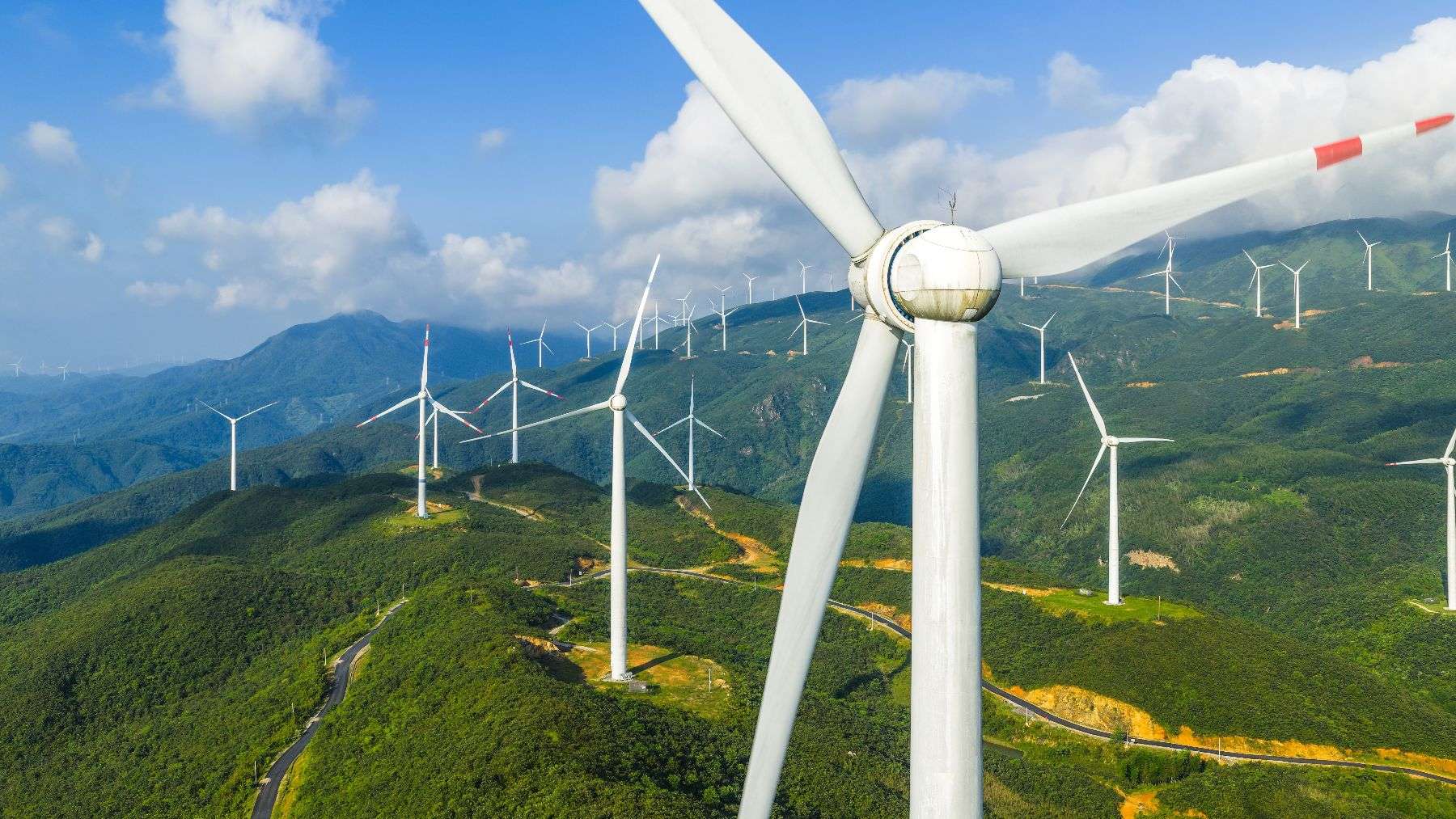
Deep in the Flow Country of northern Scotland — a vast, rain-soaked expanse of peat bog, loch, and open sky — some of Britain’s rarest birds quietly go about their lives. It’s also where a wind farm is taking shape. But before a single turbine has been built at Woodcock Hill, the project has already been fundamentally reshaped. Not by regulators issuing orders, but by ecological surveys and the people who responded to them — pushing the project’s boundaries back from some of the most sensitive habitat in the country.
A wind farm on the edge of wild Scotland
Woodcock Hill sits within a dense conifer plantation in Caithness — a working forest of sitka spruce and lodgepole pine that might seem, at first glance, unremarkable. Its surroundings are anything but. The site lies close to the Caithness and Sutherland Peatlands Special Protection Area and the RSPB Forsinard Flows Reserve, two designations that signal globally significant ecological value. This is the southern edge of the Flow Country, now recognized as a UNESCO World Heritage Site.
The original proposal called for 11 turbines alongside a battery energy storage system — a plan that has since changed substantially. The stakes here aren’t abstract. When a wind farm is proposed this close to internationally protected habitat, the question isn’t simply whether it can be built. It’s whether it can be built without quietly dismantling what makes the place matter.
For now, the lochs to the west of Woodcock Hill Wind Farm remain undisturbed — and the scoters, whether or not they ever nest there, have been given room.
What the surveys found: Rare wildlife hiding in plain sight
Between June and September 2025, ecological specialists surveyed the entire site, mapping habitats and recording species across the plantation and its surrounding area. What they found was richer than the dense tree cover might suggest.
Otters are using the site’s watercourses as commuting and foraging routes — eight otter spraints were recorded during baseline surveys. Pine marten scats turned up at 15 separate locations. Three water vole colonies were identified, and their watercourses have since been avoided in the layout to prevent direct impact. The bird findings were particularly significant.
Hen harriers emerged as the most abundant raptor on site, with up to five territories identified within the 2km survey area. That’s not a minor footnote — it’s a finding that directly shaped what the project looks like today. Hen harriers are under serious pressure across the UK, and their presence here couldn’t be treated as background data.
Then there’s the common scoter. This diving duck is a qualifying interest of the Caithness and Sutherland Peatlands Special Protection Area, and potential breeding habitat at the Cross Lochs lies to the west of the site. Its presence — or rather, its potential future presence — became one of the redesign’s central concerns.
The redesign: birds pushed the boundaries back
The headline change is precise and deliberate. All turbines have been removed from within 500 meters — roughly 1,500 feet — of the nearest lochs, to protect common scoters from potential disturbance and displacement. Crucially, this wasn’t triggered by scoters currently using those lochs. The most recent RSPB survey data shows they aren’t. The buffer is precautionary: it protects against future disturbance, not just what’s happening today.
That distinction reflects a shift from reactive mitigation toward proactive protection of habitat that could become critical. It’s a different kind of thinking — one that plans for what a landscape might need, not just what it demonstrably needs right now.
The hen harrier response went further still. The area of main hen harrier activity has been removed from the site boundary entirely, not just buffered. The project now incorporates disturbance buffers across multiple species: 500–750 meters for hen harrier, 500 meters for merlin, 300 meters each for greenshank and wood sandpiper, and 500 meters for common scoter measured from suitable habitat rather than observed activity.
Beyond birds: a project reshaped from the ground up
The ecological changes didn’t happen in isolation. Since the June 2025 consultation, the entire proposal has been reworked in response to public and stakeholder feedback. The turbine count dropped from 11 to 9. Maximum height fell, too. The battery energy storage system was removed.
Perhaps most significantly, the project boundary was redrawn to exclude the Flow Country World Heritage Site and its catchment entirely. Deep peat areas are now avoided wherever possible, reducing both environmental impact and carbon loss. A forest-to-bog restoration scheme has been developed alongside the project, designed to complement wider landscape-scale restoration work already underway in the World Heritage Site.
What this means for the future of wildlife-sensitive wind energy
Woodcock Hill isn’t a finished story. It’s a project mid-process, with an Environmental Impact Assessment still underway and ongoing assessments focused on the Caithness and Sutherland Peatlands Special Protection Area — assessments that will determine whether the redesigned layout holds or whether further changes are needed.
What the project already demonstrates is instructive. Renewable energy and rare habitat protection are both urgent priorities, and they don’t always sit comfortably together. The Woodcock Hill redesign suggests that when ecological surveys are taken seriously — and when community feedback is genuinely acted upon — the tension between those priorities can at least be honestly navigated.
A Biodiversity Enhancement Strategy is being developed alongside the Environmental Impact Assessment, proposing active measures to restore and improve the site’s ecological value. Whether that model becomes standard practice for wind projects in sensitive landscapes remains one of the more important questions the sector now faces. For now, the lochs to the west of Woodcock Hill Wind Farm remain undisturbed — and the scoters, whether or not they ever nest there, have been given room.
Kelly is an experienced writer with 15 years of experience exploring the big stories that shape our world, from tech breakthroughs and space exploration to climate, energy, and the fascinating quirks of science. She has a talent for turning complex ideas into sharp, memorable insights that stay with readers long after they’ve finished reading.
