
Washington’s Swift Dam uses a floating salmon collector and trucks to bypass barriers while upstream passage reopens 117 miles
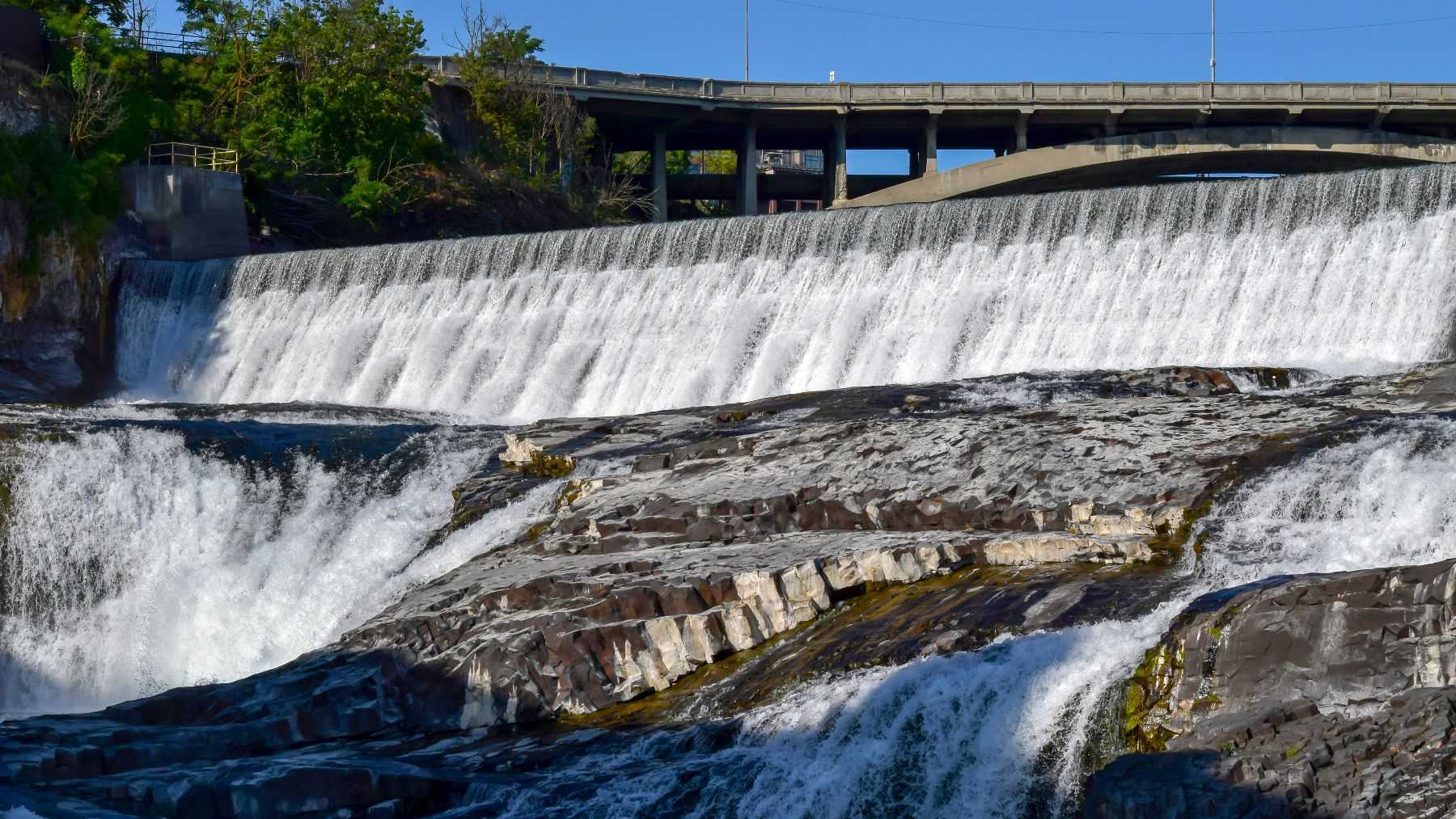
Washington’s legacy multi-dam hydroelectric system received innovative upgrades to restore and conserve native fish runs.
This system was built decades ago, yet it still plays an essential role in modern life.
The river provides crucial access to upstream spawning habitats, but the infrastructure has blocked migrating fish species.
Removing these large-scale clean power plants will leave a massive electricity shortfall that intermittent installations cannot immediately replace.
To prevent aquatic ecosystem collapse, intervention initiatives had to be launched.
How did the existing system change to accommodate adult and young fish using the historic route?
How legacy hydropower plants impact natural systems over the years
During the twentieth century, hydropower became the foundational driver of America’s economic growth.
By the 1940s, this power source was responsible for up to 40% of the United States’ total electricity generation.
It provided affordable, abundant power that accelerated nationwide urban growth, expanded regional industrial output, and stabilized grids.
Major federal and private engineering projects soon converted wild rivers into reliable energy corridors. This fueled post-war industrial development.
Hydroelectricity proved especially transformative for Washington state’s local economic growth.
The state grew into a top hydropower producer in the U.S., generating more than 25% of the nation’s hydroelectric power.
Furthermore, the state derives over half of its own electricity from river dams.
While this resulted in low energy rates, the extensive infrastructure also permanently altered Pacific Northwest river ecosystems.
Concrete dams turned swift, cool river systems into still, warm reservoirs.
Most importantly, they blocked vital migration routes for native fish, leading to dwindling populations.
Breaking down decade-old dam systems is not an option
Tearing down legacy dams may seem like the simplest solution to restoring native fish populations, but it is unrealistic.
In states like Washington, hydropower infrastructure remains a vital energy pillar.
Removing these large-scale clean power plants will leave a massive electricity shortfall that intermittent installations cannot immediately replace.
Beyond balancing the regional grid, hydropower is also vital to Washington’s climate targets.
Under the Clean Energy Transformation Act, a 100% carbon-free electric grid must be achieved by 2045.
Without major hydroelectric dams, energy providers will be forced to rely on fossil fuels to satisfy peak demand.
But critical intervention programs are still desperately needed.
Over the past century, loss of habitat access has significantly increased.
This has decreased regional wild salmon and steelhead populations by more than 90% in several basins, threatening delicate aquatic ecosystems.
Fortunately, PacifiCorp initiated intervention programs to restore biodiversity.
Engineers deployed innovative, non-destructive bypass upgrades to Washington’s multi-dam hydropower system.

Restoring historic fish migration corridors on the Lewis River
Major structural upgrades to the 510-megawatt Lewis River hydropower system in southwest Washington were launched.
In April 2011, construction began on a multi-dam passage network across the Swift, Merwin, and Yale dams.
The project, which became fully operational in 2012, established a broad two-way transport program for native salmon and steelhead.
Conservation efforts for adult and juvenile fish
The Merwin Upstream Collection Facility uses steady water currents to guide adult fish away from turbines into specialized ladder traps.
The adults are sorted, loaded onto trucks, and then transported upstream of Swift Dam to spawn naturally.
For outgoing juvenile salmon, Swift Reservoir’s Floating Surface Collector simulates downstream currents.
They are directed into the floating facility by nets. They are then collected and transported via trucks to the lower river.
These operational facilities continue to actively transport migratory runs today.
Thanks to these intervention measures, 117 miles of historic upstream habitats have been successfully reopened.
This success demonstrates that Washington can simultaneously conserve vital carbon-free power generation and aquatic ecosystems.
It serves as a practical framework for other aging hydropower networks nationwide.
Ultimately, adding nature-inclusive upgrades to existing hydropower facilities across the U.S. is key to maintaining clean energy resilience.
Anke Maree is a writer with a clear and engaging editorial style. Her work focuses on making complex topics accessible, informative, and relevant for readers across different areas of interest.
