Winter ice blocks Yukon’s Aishihik hydropower intake again in 2024, prompting steam-assisted thawing after sensors detect trouble
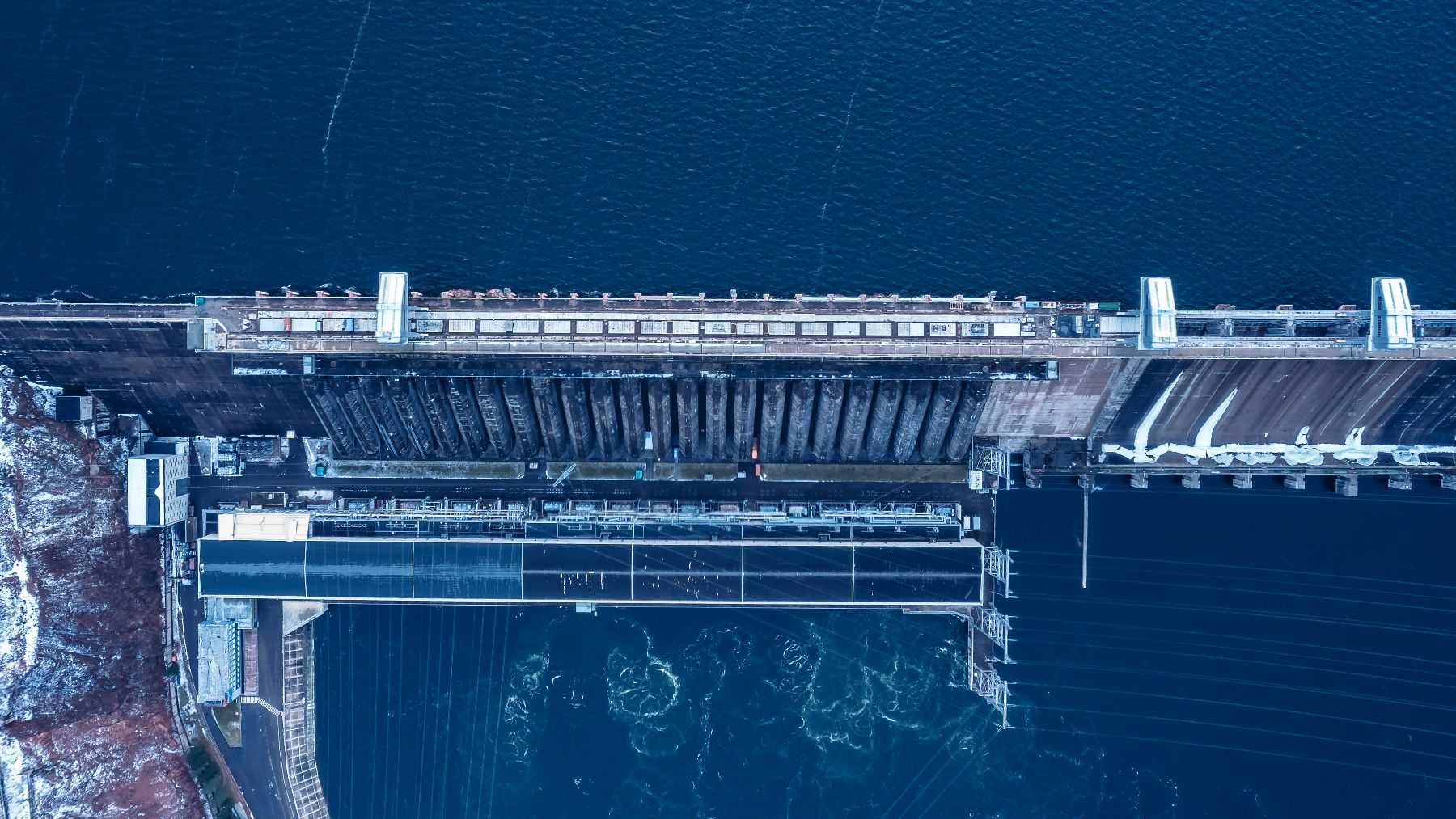
In freezing winter temperatures, hydro plants often suffer ice build-ups.
That leads to limited power generation and, at worst, an all-out halt of operations.
This issue is prevalent in remote areas, where the plant is hard to reach.
Lindi is a copywriter and marketing professional with over 10 years of experience across finance, fintech, luxury lifestyle, and renewable energy.
In 2024, severe weather conditions hit the remote Aishihik hydro station in southwest Yukon. Ice had built up and sealed off the hydro station’s water intake.
How do utility providers detect and deal with ice blockages before the ultimate damage is done?
Winter temperatures at Yukon Energy’s Aishihik hydro station
Yukon is situated in the Northwest region of Canada.
Its borders include Alaska and the Arctic Ocean, and it is one of the most sparsely populated regions in North America.
Yukon Energy, responsible for the bulk of the electricity used across the Yukon Territory, operates the Aishihik hydro station,
The station is located roughly 100 kilometers northwest of Haines Junction, the nearest small town.
Nestled in the wilderness, getting to the station requires traveling through rugged, sometimes unpaved access roads.
In the subarctic wilderness, these access roads are often covered in snow and are hard to drive across.
Needless to say, when winter comes, frazil ice and anchor ice can choke sub-surface water intakes of the Aishihik hydro station.
The restricted water flow immediately cuts down electricity generation capacity across the entire region.
Readiness for winter weather crises
Winter times bring sub-zero temperatures and darkness in the subarctic territory.
Therefore, to stay warm and keep the lights on, homes and businesses use the most amount of electricity during winter.
The Aishihik Generating Station happens to be Yukon Energy’s largest source of electricity generation in the area.
Since ice build-ups are common at hydro plants, Yukon Energy has to ensure readiness at all times.
The utility provider prepares for these weather crises every year.
Each winter, they make sure to have liquefied natural gas and diesel plants running, as well as rent diesel generators.
However, in 2017, a historic freeze-up caught the utility provider off-guard, which caused them to take extra precautions.
Sub-surface anchor sensors provide early warning data
In 2024, winter ice sealed off a water intake at the Aishihik hydro plant.
The hydro station was offline for one day due to a buildup of ice that prevented water from flowing into the plant.
Yukon Energy had less hydro power available and was running more diesel than usual.
Crews were commissioned to go on site to remove ice and bring the hydro power plant back online.
They worked around the clock to clear the ice build-up quickly. The Government of Yukon’s steamer truck folks in Haines Junction also joined to help.
The ice was cleared up, and the plant was back online in one day.
The reason they were able to resolve the issue so quickly is because of the sensor equipment installed after the weather crisis in 2017.
This time around, the sensor equipment detected the problem early on and allowed the crew to clear the ice before it became too thick.
Sub-surface anchor sensors provided early warning data. That allowed the utility provider to deal with the freezing blockages before complete mechanical failure crippled the station.
Leveraging technology for early detection transformed a potential catastrophic blackout into a manageable, targeted thawing operation.
Leveraging technology for detecting and dealing with ice buildups
When freezing winter temperatures hit hydro plants, it’s not a time for utility providers to react.
Responding too late can lead to catastrophic power outages at a time when the demand is at its peak.
What the Aishihik hydro station incident shows is that leveraging technology is necessary for the early detection of ice buildup.
Modern sensor technology helps utility providers outsmart extreme weather and secure remote hydro plants.

Lindi is a copywriter and marketing professional with over 10 years of experience across finance, fintech, luxury lifestyle, and renewable energy. She writes with a keen interest in the business and innovation shaping the energy transition.