
Turbine blades traveled through Highland snow and near-5°F temperatures to reach Scotland’s Gordonbush Extension wind farm
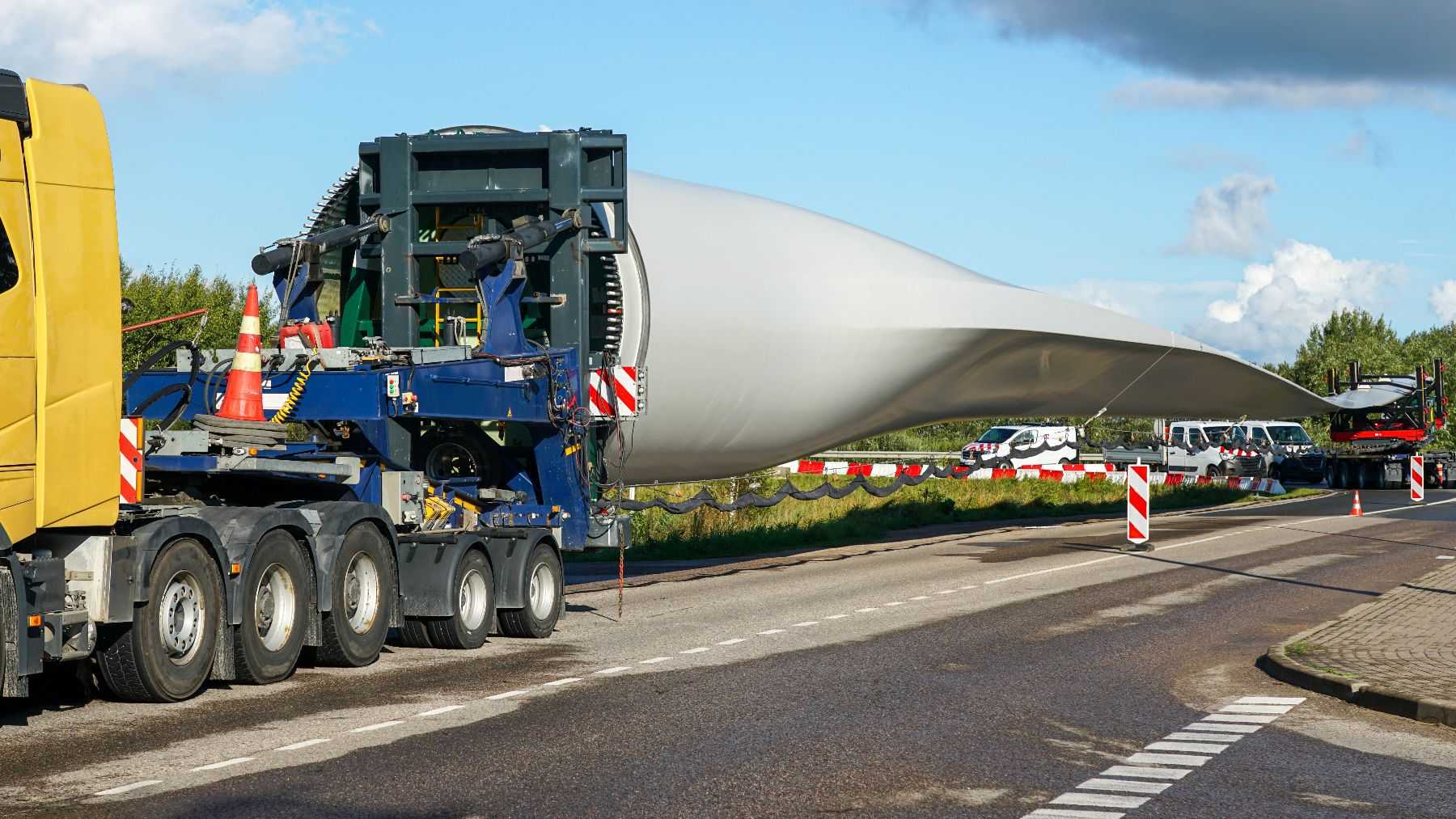
Wind turbines can weigh hundreds of tons.
As if the weight were not enough pressure, each turbine can cost millions of dollars.
It goes without saying that hauling them over a couple of kilometers on extremely narrow roads is a massive undertaking.
However, the punishing January and February conditions brought deep, drifting snow and plunging temperatures hitting minus 15 degrees Celsius (5°F).
The Gordonbush Extension turbine delivery program faced this exact challenge throughout the harsh Highland winter in Scotland.
How did the transportation team manage to successfully haul turbine parts through the sub-zero Highland blizzards?
Eleven turbine blades travelling along the A9 to the Gordonbush Extension site
The wind turbines first arrived in Scotland from the port at Nigg.
Their final destination would be the Gordonbush Extension site, situated roughly 9.5 kilometers inland.
The chosen route for transportation was the A9.
The journey would start at the port and travel past historic coastal villages such as Golspie and Brora.
Known as Scotland’s spine, the A9 also cuts through rugged mountain passes.
Travelers not only have to pass through tight village streets, but also navigate narrow bridges and sharp turns.
Transporting the massive, multi-ton turbines would require careful planning as well as demand police escorts.
The initial plan was to start the grueling delivery process on November 24 with a targeted completion date in late January.
However, transporting 11 massive turbine blades designed to deliver 37 megawatts of clean energy would not be that easy.
Drifting snow and plunging temperatures hit minus 15 degrees Celsius
Transporting the turbines was running on a tight schedule. However, winter weather had other plans.
As part of a multi-million-dollar energy construction project, transport schedules cannot pause simply because winter weather turns hostile.
The entire operation involves specialized cranes, trucks, and transport crews.
Every delayed day would add to the massive equipment rental fees.
However, the punishing January and February conditions brought deep, drifting snow and plunging temperatures hitting minus 15 degrees Celsius (5°F).
These weather conditions made it impossible for the transport crew to carry on.
SSE Renewables, the renewable energy developer behind the project, faced some financial pressures.
The 11-turbine wind farm under construction was operating on a merchant basis without state subsidies.
Therefore, despite the strain, the transport crews had to keep moving forward.
Conquering Scotland’s sub-zero Highlands and completion
While the January and February winter weather caused a disruption to the schedule, the crew managed to complete the delivery.
The final delivery arrived at the Gordonbush Extension site on Tuesday 9 March.
“The completion of turbine component deliveries is an important milestone in the construction of Gordonbush Extension,” said Mike Scott.
Scott is the project manager for the Gordonbush Extension wind farm.
He added that the team worked tirelessly to overcome severe Highland weather conditions.
He also expressed gratitude to the communities of Brora and Golspie as well as the surrounding areas for their patience.
SSE Renewables now looks forward to completing the construction of Gordonbush Extension.
Next, the beginning of the operational phase of the extension will start in spring.
Teamwork between developers and local communities in Brora and Golspie
Unforeseen circumstances can sometimes disrupt and delay the best-laid plans and schedules.
Transporting wind turbines that weigh hundreds of tons through the Highlands of Scotland was never going to be an easy task.
However, no one could have forecasted the terrible weather conditions that would take place in January and February.
Despite suffering a two-month delay to their initial planning schedule, the project managed to complete the delivery program.
The Gordonbush Extension project shows how teamwork between developers and local communities in Brora and Golspie can move through mountains.
With enough perseverance and the refusal to quit, the transportation team successfully blazed through and conquered the sub-zero Highland blizzards.

