
Seattle Public Schools opens Alki Elementary with 42.4 kW solar array and geothermal system targeting 73% lower energy use than a typical school
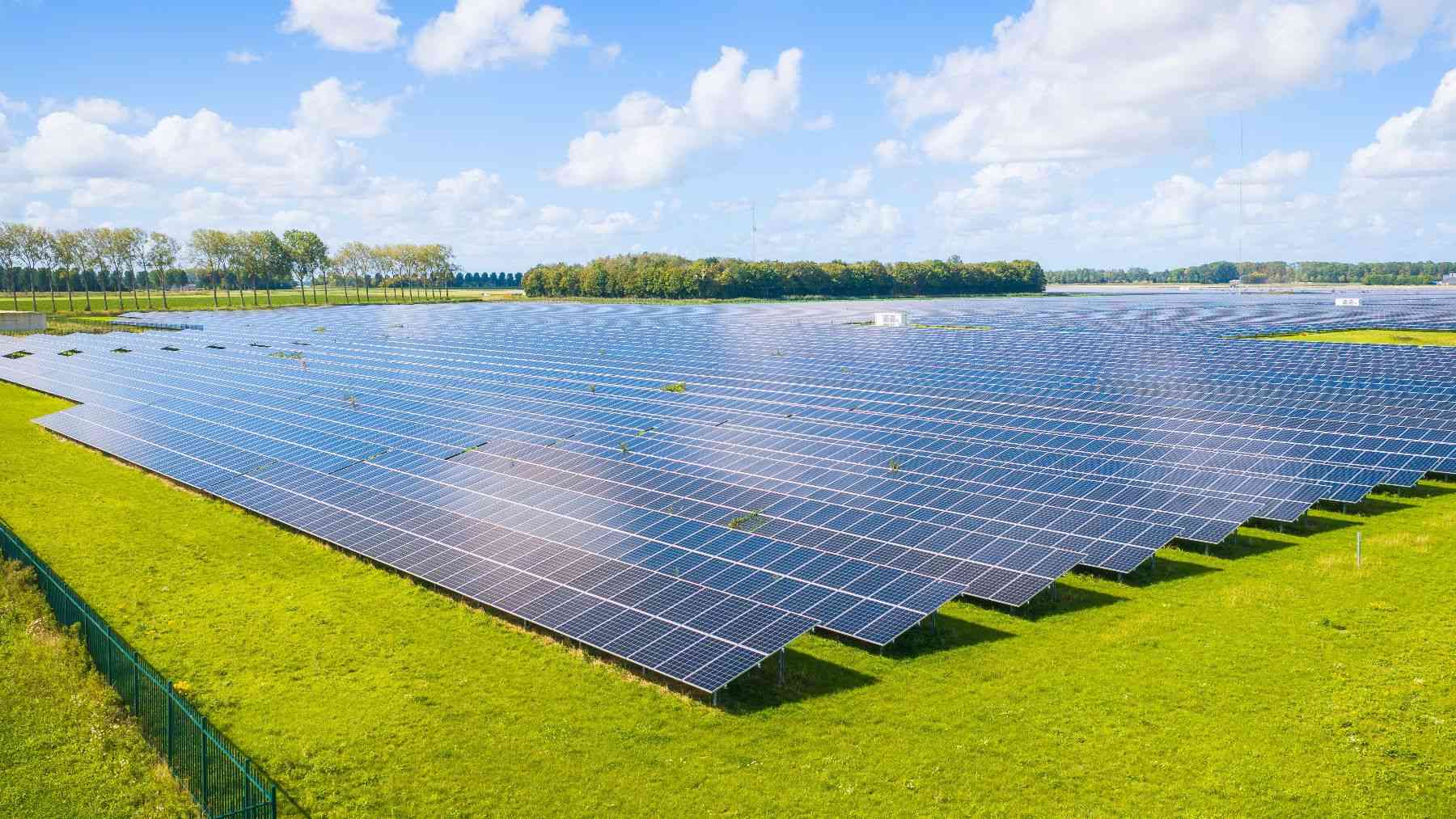
Seattle Public Schools has finished building a new Alki Elementary School in West Seattle — and it’s held to one of the strictest green building standards anywhere in the world. The three-story elementary facility, designed by Mahlum Architects and built by Cornerstone General Contractors, combines an 80-panel, 42.4 kW solar array — installed by Solterra Solar in 2026 — with a 60-well geothermal system and cross-laminated timber construction.
The result: an estimated Energy Use Intensity of around 13 kBtu per square foot. That’s about 73% less than a typical school.
New Alki Elementary opens with solar, geothermal, and mass timber construction
Alki Elementary isn’t your average school building. Seattle Public Schools designed it from scratch to meet the Living Building Challenge standard — one of the strictest green building frameworks out there — requiring net-zero or better performance across energy, water, and materials.
Its 42.4 kW solar array, 60-well geothermal system, cross-laminated timber structure, and passive ventilation work together to hit that 73% energy reduction target.
The structure itself reflects that goal. Instead of a conventional steel frame, the three-story building uses a post-and-beam system with cross-laminated timber panels, a single design choice that cuts embodied carbon by roughly 30% compared to standard construction methods.
Energy comes from two sources working in tandem: an 80-panel, 42.4 kW solar array on the roof and a 60-well geothermal system underneath the building. Passive stack ventilation pulls sea breeze in from nearby Alki Beach to reduce mechanical cooling. Together, these systems bring the building’s estimated Energy Use Intensity to about 13 kBtu per square foot — roughly 73% below a typical school.
District prioritized clean energy and low operating costs from the outset
Clean energy wasn’t tacked on as an afterthought here. Seattle Public Schools built it into the project from the earliest planning stages, treating renewable infrastructure as a baseline rather than an upgrade.
Project manager Brian Fabella put it plainly. “Seattle Public Schools plans, designs, and builds school facilities to serve students and communities for 50+ years,” he said. “Our goal is to create buildings that are durable, efficient, and easy for our maintenance teams to operate.”
For a building expected to serve the community for more than five decades, the math on upfront investment versus long-term savings isn’t hard to follow. Geothermal and solar systems cut utility bills year after year, which means more public dollars going toward students instead of energy costs. Fabella described the approach as responsible stewardship of taxpayer money — investing in systems that reduce resource consumption across the building’s full lifespan rather than just keeping initial construction costs down.
Local supply chain and a structural engineering challenge shaped the solar installation
The 80-panel array was installed by Solterra Solar, Washington’s only woman-owned solar company. The panels — Silfab Solar 530 XM bifacial modules — were manufactured in Burlington, WA, about 70 miles from the school. Cornerstone General Contractors out of Bothell and Seattle-based Mahlum Architects rounded out the core project team, keeping the supply chain entirely within the Pacific Northwest.
The installation wasn’t simple. Rooftop commercial solar typically uses a ballasted racking system, securing panels with counterweights instead of roof penetrations — but at Alki Elementary, the mass timber construction ruled that option out completely.
Solterra’s team worked with structural engineers, the school district, and the general contractor to design an alternative: IronRidge XR100 rail with tilt legs, mounted directly to a steel substructure engineered to carry the full solar load. A SolarEdge 40 kW/480 V inverter manages the array, which is projected to produce 46,640 kWh per year.
Solterra owner and CEO Aimee Carpenter said choosing Silfab panels for a public project came down to reliability. “Unlike a lot of brands that have come and gone, they’ve stayed relevant and reliable through it all,” she said. “As a public project funded by public dollars, it didn’t make sense to consider anyone else.”
Solar system will be integrated into curriculum for 500 students
Alki Elementary serves around 500 students. The district didn’t design the building’s energy systems just to cut utility bills — it designed them to teach.
Solar monuments and educational signage will go up throughout the school, turning infrastructure into visible, explainable systems rather than hidden mechanical equipment. The idea is straightforward: make renewable energy something kids can actually see and understand every day, not just read about.
Principal Mason Skeffington confirmed the commitment goes beyond signage. “The solar system will be integrated into the school’s curriculum, with signage and educational materials teaching students about renewable energy and its impact on the environment,” he said. That framing — the building as a living classroom — connects students directly to the systems heating, cooling, and powering the space around them. It’s a different kind of lesson than any textbook can deliver.
What Alki Elementary represents for Seattle’s public infrastructure
Alki Elementary brings together several trends reshaping how U.S. school districts approach new construction. The Living Building Challenge pushes projects toward net-positive performance. All-local procurement keeps public investment circulating within the community that funded it. Embedding renewable energy from day one reduces utility costs across a 50-plus-year lifespan — instead of retrofitting systems later at far greater expense.
The school is described as one of the most sustainable elementary facilities in the Seattle Public Schools system. Its 42.4 kW solar array, 60-well geothermal system, cross-laminated timber structure, and passive ventilation work together to hit that 73% energy reduction target. Curriculum integration means the building’s sustainability features reach students directly, not just district press releases. For Seattle, Alki Elementary is a concrete example of what local investment in green public infrastructure can look like when clean energy is treated as a starting point rather than an add-on.

Kelly is an experienced writer with 15 years of experience exploring the big stories that shape our world, from tech breakthroughs and space exploration to climate, energy, and the fascinating quirks of science. She has a talent for turning complex ideas into sharp, memorable insights that stay with readers long after they’ve finished reading.
