
EIA reports China’s nuclear power capacity grew 87 percent over the past decade, reaching 58.7 gigawatts in 2026
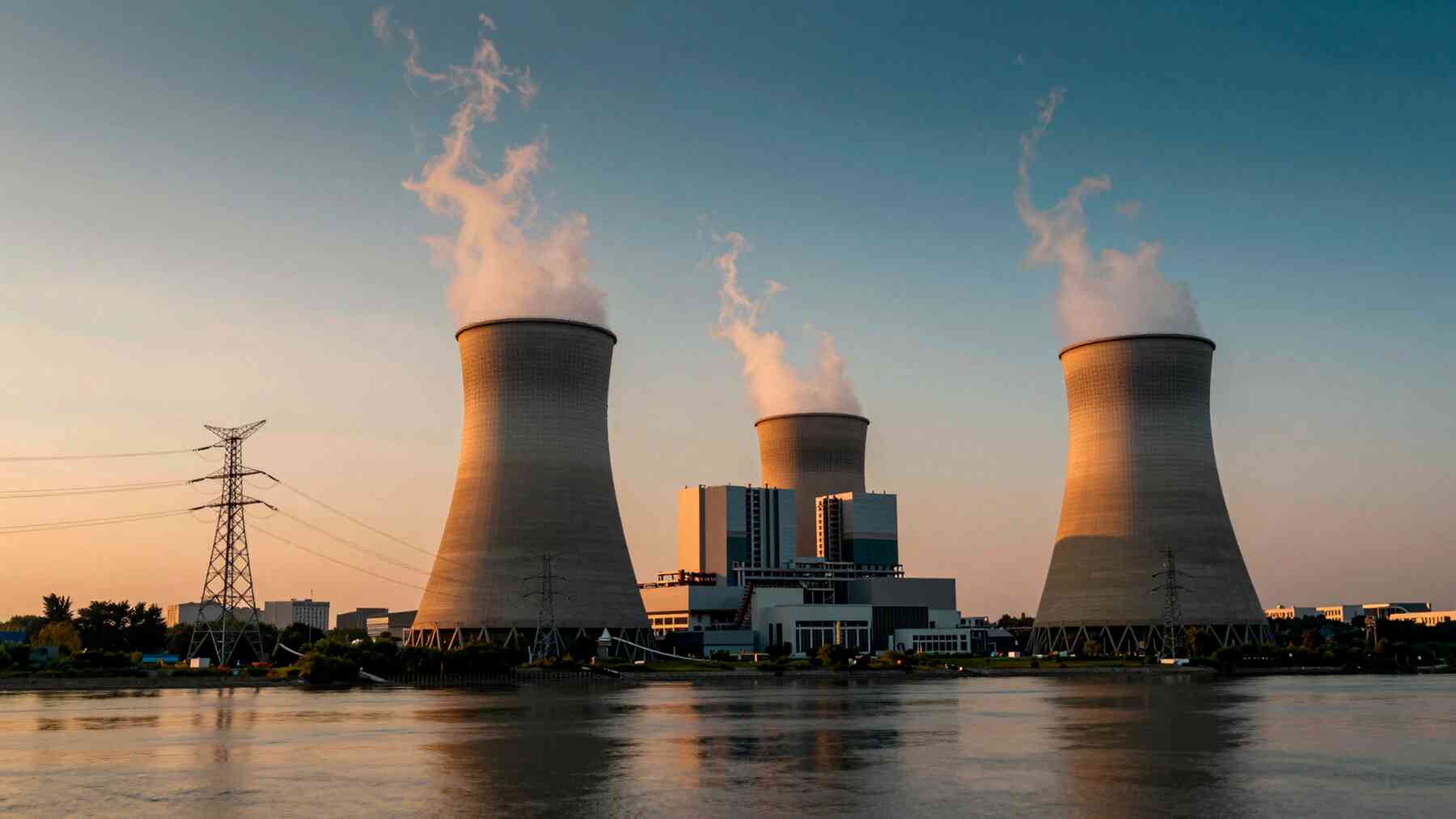 AI-made
China’s nuclear power capacity has grown 87 percent over the past decade, rising from 31.4 gigawatts in 2016 to 58.7 gigawatts as of May 2026, according to a U.S. Energy Information Administration analysis published June 5.
China’s nuclear capacity reaches 58.7 GW in May 2026
The EIA’s figures put China’s nuclear capacity at 58.7 gigawatts as of May 2026 — an increase of 27.3 gigawatts compared to the 31.4 gigawatts recorded in 2016. Over ten years, that translates to an 87 percent jump, nearly doubling the country’s installed nuclear base.
Published on June 5, 2026, the analysis reflects capacity data compiled through May of that year. It stands as one of the most current available snapshots of China’s nuclear sector.
Many countries with established nuclear programs have kept their fleets roughly stable; others have reduced capacity following policy shifts or plant retirements.
How the EIA compiled its analysis
Rather than relying on a single reference point, the EIA drew on multiple data sources. The agency incorporated data from the World Bank, the Global Energy Monitor, the Global Nuclear Power Tracker, and the International Atomic Energy Agency alongside its own gathered information.
Cross-referencing those sources strengthens the credibility of the findings. Each organization tracks energy infrastructure through its own methodology, and layering their data gives the EIA’s capacity figures a broader empirical foundation—one that carries particular weight when reporting on a country the size of China, where energy infrastructure operates across a vast and complex system. The IAEA, which maintains detailed records of reactor construction and operation worldwide, connects this analysis to one of the most established international frameworks for tracking nuclear power.
What an 87 percent capacity increase means for China’s energy sector
Nearly doubling nuclear capacity in a decade is not a routine adjustment. It reflects a sustained national commitment to nuclear energy as a core component of China’s power mix—building nuclear plants requires long planning horizons, significant capital, and consistent policy support, all of which appear to have held throughout this period.
One consequence of expanded nuclear output may be reduced pressure on coal-fired generation. Nuclear plants produce electricity without direct carbon dioxide emissions during operation, so displacing coal on China’s grid could carry meaningful implications for the country’s overall emissions profile. How much that actually matters depends on how electricity demand has grown alongside capacity.
At 58.7 gigawatts, China enters a tier of nations with the most substantial nuclear fleets. That position carries weight in both energy policy discussions and international climate conversations.
Background: China’s nuclear expansion in global context
China has added reactor units steadily over the past decade as part of a broader national energy strategy—one emphasizing diversified power sources and expanded low-carbon generation, while still relying on fossil fuels to meet rising electricity demand.
Globally, nuclear capacity has grown at a considerably slower pace than what China has achieved on its own. Many countries with established nuclear programs have kept their fleets roughly stable; others have reduced capacity following policy shifts or plant retirements. Against that backdrop, China’s rate of expansion stands out clearly. International bodies like the IAEA play a central role in tracking this activity, monitoring reactor construction timelines, operational status, and capacity figures across member states—data that feeds into analyses like the EIA’s and connects individual plant-level decisions to global energy statistics.
A reliable, multi-source methodology
China’s nuclear power capacity stood at 58.7 gigawatts as of May 2026, up from 31.4 gigawatts in 2016. That is an 87 percent increase over ten years, according to the U.S. Energy Information Administration, which published its analysis on June 5, 2026.
The EIA based its findings on data from the World Bank, the Global Energy Monitor, the Global Nuclear Power Tracker, and the IAEA—a multi-source methodology that underpins the reliability of the reported figures.
Taken together, the growth reflects a sustained national investment in nuclear energy and positions China among the largest nuclear power producers in the world. Expanded nuclear capacity may reduce reliance on coal-fired generation, with potential implications for carbon emissions, though the full effect depends on broader trends in energy demand. International organizations continue tracking reactor construction and capacity data, providing the empirical foundation for assessments like this one.
Kelly is an experienced writer with 15 years of experience exploring the big stories that shape our world, from tech breakthroughs and space exploration to climate, energy, and the fascinating quirks of science. She has a talent for turning complex ideas into sharp, memorable insights that stay with readers long after they’ve finished reading.
