
ConocoPhillips advances coordination and planning efforts for Alaska North Slope development activities
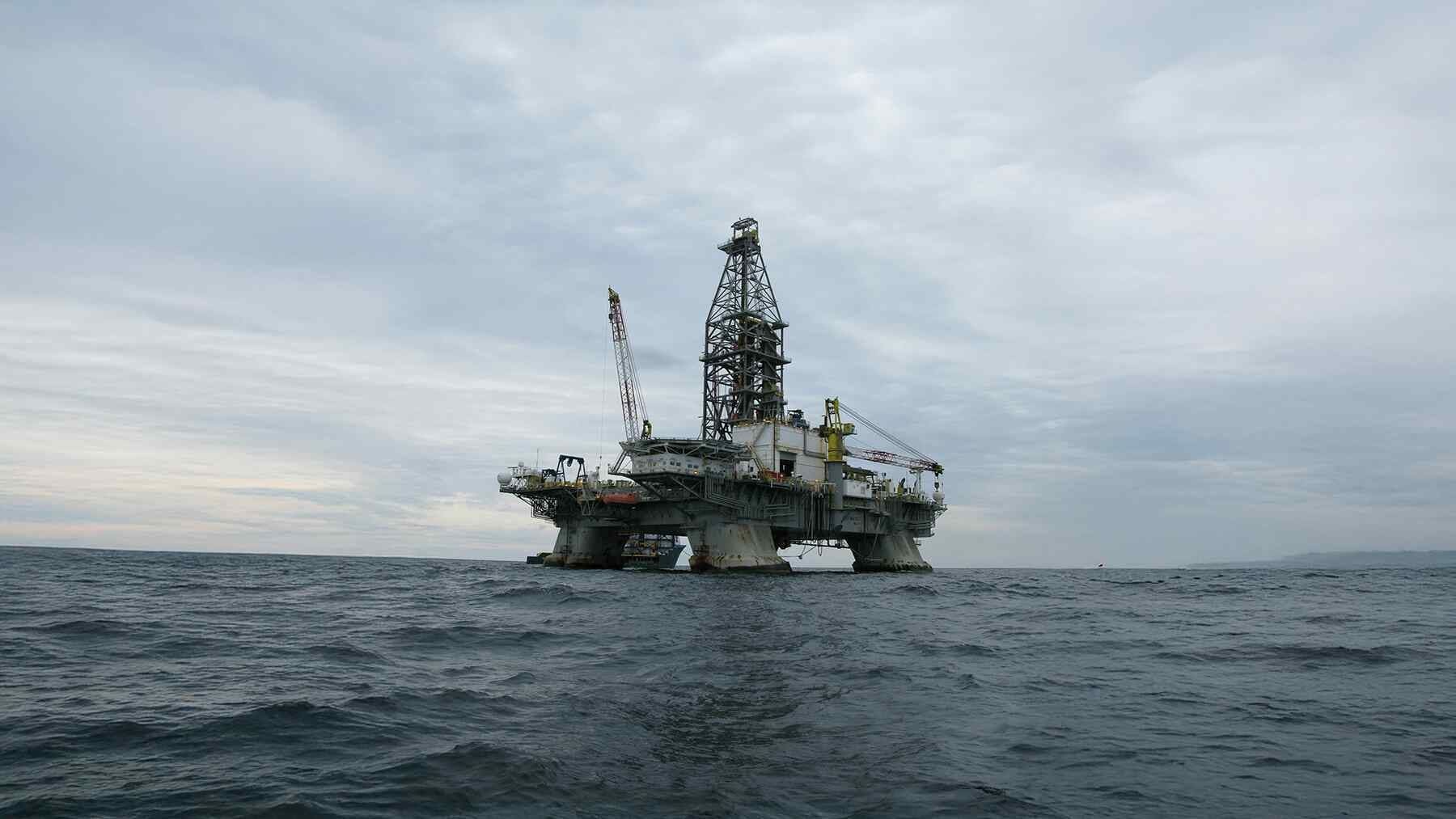 Credits: Noaa
 While the North Slope is often framed as a place of extremes – vast expanses of land, extreme weather patterns, long lead times, etc., it’s easy to think of success (or failure) in terms of “distance” — and therefore that progress is slow simply because of the nature of the environment. However, recent actions taken by ConocoPhillips indicate a far more thoughtful and intentional strategy at work — one aimed at creating a sense of predictability in one of the most difficult operating environments in the world.
A region defined by distance and interconnectedness
All of the fields, processing facilities, roads, and pipelines located in the Western North Slope operate as part of a highly interconnected system. All operations are subject to severe limitations due to their physical location and tight environmental constraints. As such, each decision made has ripple effects throughout the logistical supply chain, workforce planning, and community outreach/engagement.
ConocoPhillips’ presence in the Western North Slope Area (including the Alpine Field and other nearby developments) has developed through incremental growth over many decades. This development has resulted in increased opportunity for additional production as well as a growing necessity for a coordinated process.
Additionally, this raises another question: Could this “planning-first” mentality influence how future projects are conceived outside of Alaska?
Therefore, planning in this context is not focused on speed of execution. Rather, it is focused on achieving alignment among various elements, including infrastructure, personnel, and permitting processes, so that these elements do not proceed sequentially.
Planning as a means of creating operational certainty
One factor that differentiates ConocoPhillips’ present-day approach to planning is its focus on integrated planning across project areas. Present-day developments on the Western North Slope are planned and executed as individual components of a larger project family. Thus, the goal is to identify opportunities for commonality among projects (e.g., shared use of roads, common use of logistics corridors, etc.), which would reduce duplication of effort and minimize environmental disturbances.
Moreover, when teams have been able to plan for years ahead (i.e., knowing where roads will be extended, when processing capacity will become available, and how seasonal constraints will be mitigated), execution becomes more resilient. Given that winter-only construction periods serve to limit the construction season calendar on the North Slope, establishing a level of operational predictability is as important as maintaining capital discipline.
Maintaining growth within environmental constraints
Size can create the illusion of abundance on the North Slope. Although large resources exist on the North Slope, constraints govern each and every development expansion decision. For example, ice road access, wildlife concerns, and/or community commitments all require alignment before development decisions are made, not after. The planning model employed by ConocoPhillips acknowledges this reality through integration of timelines associated with regulatory requirements, environmental factors, and operational needs from the very beginning of the planning process.
A signal for how Arctic development Is evolving
The rate at which development occurs may appear to be conservative on the surface. However, beneath that façade lies a strategic intent to optimize the development pace of multiple projects across the Western North Slope by developing a common operational platform upon which all of those projects can execute simultaneously without overwhelming either the logistics systems or workforce capacity. That type of “quiet” optimization may be less apparent than an announcement related to a significant capital investment. Nonetheless, it is equally impactful over time.
ConocoPhillips’ approach provides insight into a broader aspect of how energy development takes place in the Arctic. Success is no longer viewed as merely identifying and extracting oil/gas reserves; it is now viewed as orchestrating complexity over time. Consequently, coordination/planning has evolved into a critical business competency (not secondary).
As energy companies reevaluate long-term investments in remote locations (the North Slope being an example), the preceding discussion illustrates what sustainable development can entail in that type of environment. Additionally, this raises another question: Could this “planning-first” mentality influence how future projects are conceived outside of Alaska?
