
ExxonMobil opens its strategic roadmap to investors as CEO Darren Woods and senior leadership prepare to present the company’s upstream priorities and long-term corporate plan
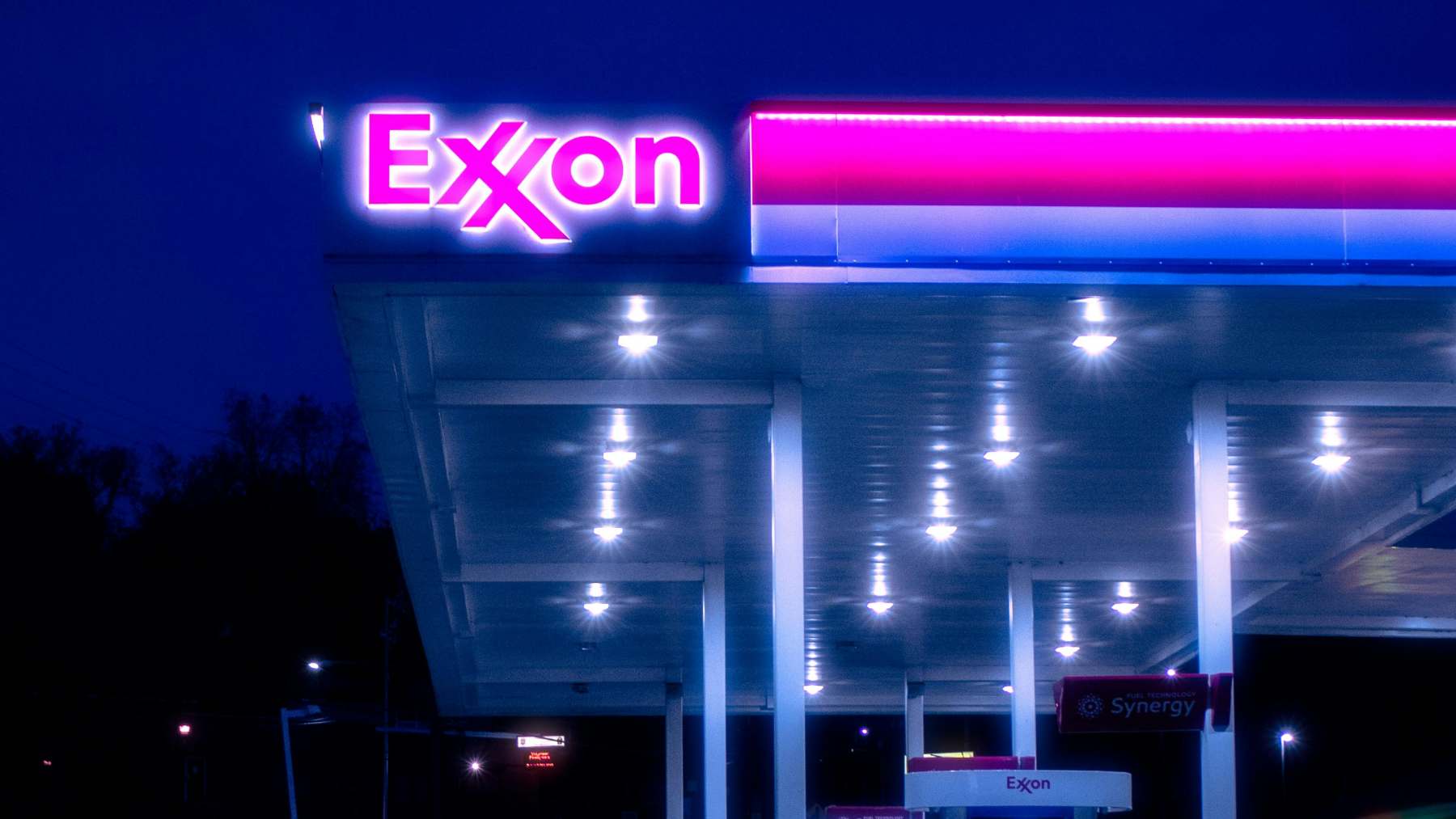
Once a year, ExxonMobil pulls back the curtain on where it’s headed — and December 11 is that moment for 2024. The company has scheduled a virtual investor event bringing together its most senior leadership, including CEO Darren Woods and CFO Kathy Mikells, to walk markets through its Corporate Plan Update and Upstream Spotlight.
For investors and analysts tracking one of the world’s largest energy companies, the nearly four-hour webcast offers a rare, structured window into how ExxonMobil sees its own future taking shape.
A high-stakes date on the energy calendar
Mark the calendar: Wednesday, December 11, 2024, from 8:30 a.m. to 12:15 p.m. Central Time. That’s when ExxonMobil’s virtual webcast goes live — nearly four hours split across two distinct but connected presentations. Each segment serves a different purpose, yet together they form a comprehensive picture of where the company intends to direct its resources and attention in the years ahead.
CEO, CFO, and senior upstream and IR leadership together: the combination is designed to deliver both strategic vision and financial credibility in a single sitting.
Year-end corporate plan events carry real weight. These aren’t routine earnings calls — they’re structured opportunities for leadership to lay out multi-year strategy, signal capital priorities, and respond directly to the questions markets are asking. In the energy sector especially, where long investment cycles and commodity volatility create genuine uncertainty, these events can shift expectations in meaningful ways.
One practical detail worth noting: presentation materials will be available as early as 6:00 a.m. CT, more than two hours before live remarks begin. That early release gives investors, analysts, and reporters time to review the slides before the Q&A opens — a deliberate choice that shapes how the conversation unfolds.
Who will be in the room — and what they represent
The presenter lineup tells its own story. Darren Woods, ExxonMobil’s Chairman and Chief Executive Officer, leads the session. His presence signals that this is top-level strategic communication, not a departmental briefing. Alongside him, Kathy Mikells — Senior Vice President and Chief Financial Officer — anchors the financial dimension of whatever commitments get made on stage.
Neil Chapman, Senior Vice President, rounds out the executive core. His role in the upstream business makes his presence particularly relevant given that one of the two main segments is an Upstream Spotlight, a focused look at ExxonMobil’s exploration and production operations. When senior upstream leadership speaks directly to investors, it typically signals the company wants to make a specific case about where its production story is heading.
Then there’s Jim Chapman, Vice President, Treasurer and Investor Relations — a quiet but important inclusion. Having investor relations leadership directly in the room, rather than managing logistics behind the scenes, suggests the company wants to address market concerns head-on throughout the session. CEO, CFO, and senior upstream and IR leadership together: the combination is designed to deliver both strategic vision and financial credibility in a single sitting.
What ‘upstream’ means — and why it’s in the spotlight
For readers less familiar with industry terminology, upstream refers to the earliest stages of oil and gas production: exploration, drilling, and extraction of crude oil and natural gas from the ground. It’s the foundation of an integrated energy company’s business — before refining, before chemicals, before retail. How well a company manages its upstream portfolio largely determines its long-term earnings potential and how efficiently capital gets deployed.
Upstream performance is also where investors look to assess reserve replacement, production growth, and cost discipline. For an oil major like ExxonMobil, it’s the engine. Everything else depends on how well that engine runs.
Dedicating an entire segment of the December 11 event to an Upstream Spotlight is a deliberate signal. It suggests ExxonMobil wants investors focused on this part of the business — possibly to highlight production growth, showcase specific assets, or frame the company’s capital allocation logic in concrete operational terms. Upstream isn’t being presented as one piece of a larger puzzle. It’s the centerpiece of the near-term value story.
Corporate plan updates in the age of energy transition
ExxonMobil isn’t presenting its corporate plan in a vacuum. Oil majors across the industry are navigating a complicated moment: sustained demand for fossil fuels on one side, and growing shareholder and regulatory pressure to articulate credible long-term strategies on the other. Annual corporate plan events have become one of the primary venues where companies stake out their position in that debate.
A corporate plan update typically covers capital expenditure forecasts, production targets, cost reduction goals, and broader strategic priorities — not aspirational statements, but the numbers and commitments analysts will hold the company accountable to in subsequent quarters. Getting them right, and communicating them clearly, matters considerably.
The tension between continued upstream investment and decarbonization expectations is real and unlikely to disappear. How ExxonMobil frames that tension — or whether it reframes it entirely — will be one of the more closely watched aspects of the December 11 presentation.
How to follow the event
The event is open to the public through a virtual webcast, with registration available through ExxonMobil’s investor relations page. Slide presentations will be accessible from approximately 6:00 a.m. CT on December 11, giving early risers a head start before live remarks begin at 8:30 a.m. The session runs through 12:15 p.m. CT and includes a Q&A component.
Public access to events like this one matters. When major energy companies open their strategic planning to broad audiences — not just institutional investors — it raises the baseline for market transparency and informed public discourse. Watch for how ExxonMobil’s leadership frames upstream priorities and whether the Corporate Plan Update signals any shifts in capital direction or long-term positioning.

Carlos is an engineer with strong expertise in technical and industrial topics. He previously worked at international companies such as Siemens and is multilingual.
