
DOE reinstates $57 million grant to American Battery Technology Co. for Nevada lithium refinery after successful appeal
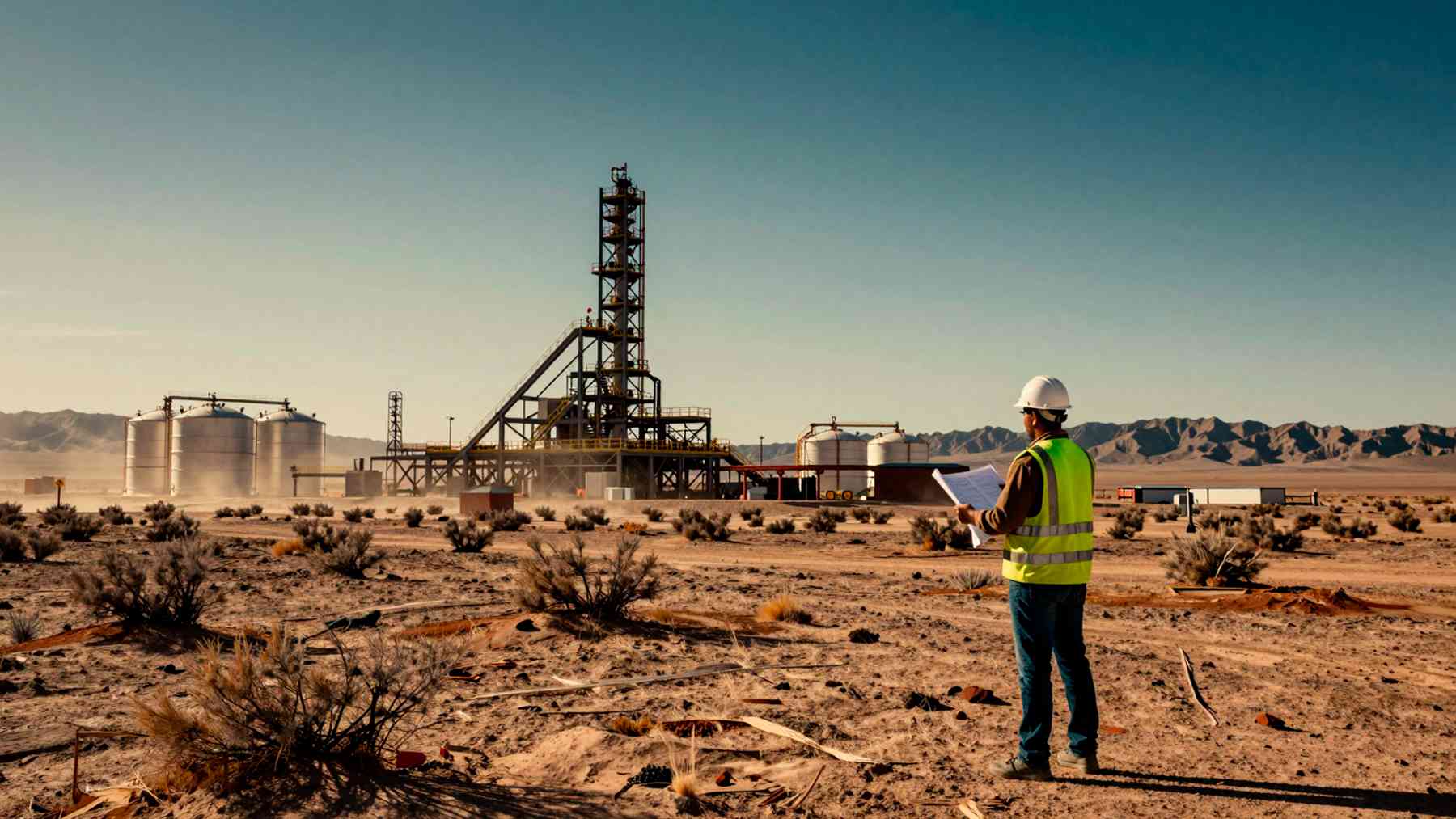 AI-made
The U.S. Department of Energy has reinstated a $57 million grant to American Battery Technology Co., the company announced Monday — reversing a cancellation that had threatened to stall plans for a commercial-scale lithium refinery in Tonopah Flats, Nevada. The decision follows a successful appeal by the company, which will now move forward with the $115 million facility designed to produce battery-grade lithium hydroxide.
DOE Restores $57 Million Grant Following Appeal
The reinstatement marks a significant turnaround for American Battery Technology Co. and its flagship refinery project. The $57 million grant will support construction of a $115 million commercial-scale lithium hydroxide refinery in Tonopah Flats, Nevada—a project years in the making. American Battery confirmed the news Monday, saying it had successfully completed the DOE’s appeal process.
CEO Ryan Melsert has described the Department of Energy as “one of our closest long-term partners.” That relationship now appears back on stable ground.
The reinstatement story begins in October 2024, when the DOE canceled roughly $700 million in battery and manufacturing grants across a broad range of recipients.
Why the Grant Was Originally Canceled
The reinstatement story begins in October 2024, when the DOE canceled roughly $700 million in battery and manufacturing grants across a broad range of recipients. American Battery was among the hundreds of companies affected.
The agency cited failures to meet certain milestones, lack of economic viability, and concerns that projects would not “adequately advance the nation’s energy needs.” American Battery disputed that characterization as it applied to its own project—the company had already completed the first two years of the grant before receiving the termination notice and had been selected to participate in a streamlined permitting process under the White House’s National Energy Dominance Council and the FAST-41 Permitting Council.
Appeal Process and Reinstatement Outcome
American Battery launched its appeal shortly after learning the grant would be terminated. The process was neither quick nor straightforward, involving a series of technical and commercial reviews intended to demonstrate the project’s continued merit and financial viability.
The appeal ultimately succeeded. The reinstated grant was originally awarded during the Biden administration through the Manufacturing Energy Supply Chain Office. A separate DOE grant — awarded during the first Trump administration — had previously supported the refinery’s bench-scale development and the construction of a demonstration facility. With funding restored, the Tonopah Flats refinery can move forward, targeting 5,000 metric tons of battery-grade lithium hydroxide per year once operational.
Broader Context: Lithium Supply and Battery Recycling
The refinery project sits on land managed by the Bureau of Land Management. During a May earnings call, Melsert described the site as “one of the largest identified lithium deposits in the U.S.” The company continues working with BLM and the Department of Interior on permitting, since the deposits lie entirely on federal land.
American Battery also runs a large-scale lithium-ion battery recycling facility in McCarran, Nevada. Built in 2023, the plant reached full-time operations last year. It accepts battery shipments from original equipment manufacturers, processes material into black mass, and stands as one of the few recyclers in the western U.S. capable of handling CERCLA-classified waste. Growth has been driven partly by battery energy storage systems tied to data centers and AI facilities, along with end-of-life electric vehicles and consumer electronics.
The company views recycling and mining as complementary strategies. As Tiffiany Moehring, the company’s head of communications, put it: “Recycling alone cannot solve the full supply challenge.” Even if every available battery were recycled today, she noted, a significant shortfall in critical materials would remain—making domestic mining necessary to close that gap.
American Battery also plans a second critical mineral recycling facility somewhere in the southeastern U.S., which Moehring said would “substantially scale capacity” compared to the Nevada plant. Melsert indicated in May that further details would be announced “shortly.”
5,000 Metric Tons of Lithium on the Way
The reinstatement of American Battery’s $57 million DOE grant clears a major obstacle for the Tonopah Flats lithium refinery. The company successfully appealed a cancellation that was part of a broader October 2024 sweep affecting hundreds of grant recipients. Budgeted at $115 million total, the refinery is designed to produce 5,000 metric tons of battery-grade lithium hydroxide annually. It will operate alongside the existing McCarran recycling facility and a planned southeastern U.S. plant—together reflecting American Battery’s strategy of pairing domestic lithium extraction with battery recycling to address growing demand for critical materials.
Kelly is an experienced writer with 15 years of experience exploring the big stories that shape our world, from tech breakthroughs and space exploration to climate, energy, and the fascinating quirks of science. She has a talent for turning complex ideas into sharp, memorable insights that stay with readers long after they’ve finished reading.
