
DOE Water Power Technologies Office broadens research and development initiatives supporting hydropower innovation
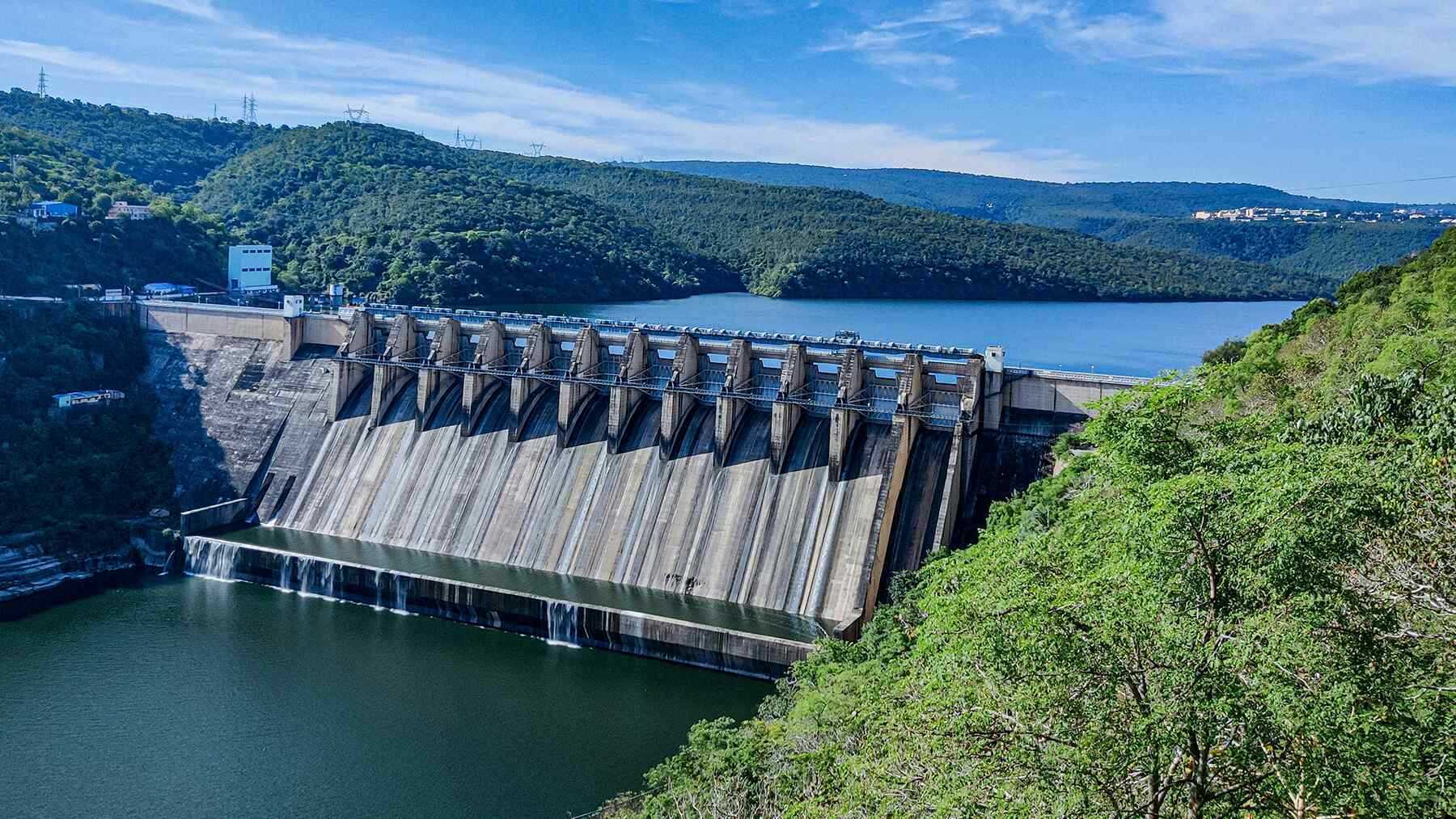
Hydroelectricity, once considered a stable component of the nation’s energy infrastructure, is undergoing a significant review as part of the ongoing evaluation of our current generation portfolio. This review is being conducted behind the scenes through long-term planning and coordinated research to better determine how hydropower will fit into a future generation portfolio.
Water power once again under review
Hydroelectricity has provided reliable electrical service to communities throughout the United States for over eight decades. As such, water-based generation continues to form a key component of regional electrical grids and renewable generation portfolios.
Due to its long history, hydroelectricity is generally referred to in discussions related to maintenance and repair rather than innovation. However, this paradigm has begun to shift due to the changing nature of the generation portfolio and the increasing importance of climate resiliency and reliability within each region.
Of equal importance to the plan is that it represents more than just incremental improvement; it encompasses both conventional hydropower and marine energy systems.
As policymakers and researchers assess the role of traditional generation resources, including hydropower, in meeting greenhouse gas reduction targets, they are questioning how these assets can also deliver greater system flexibility. This reassessment has renewed interest in water‑based generation as a platform for evolution rather than routine maintenance.
Unlike previous reviews of individual projects, this renewed focus on water-based generation is being driven by coordinated long-term planning that integrates research priorities, technology paths, and long-term objectives. In other words, the future of hydropower is likely to be determined as much by national coordination and direction as by the performance of individual upgrade projects.
Long-term planning creates new opportunities for innovation
Clear innovation roadmaps can influence outcomes as strongly as funding by clarifying priorities for researchers, developers, and stakeholders. In water‑based generation, inconsistent prioritization—particularly tensions between near‑term operational needs and longer‑term technological transformation—has historically constrained progress.
A well-defined planning process enables the simultaneous pursuit of multiple objectives. Therefore, established hydropower systems can be modernized alongside emerging marine and hydrokinetic energy technologies within the same strategic framework. Furthermore, well-coordinated plans reduce fragmentation among research and development efforts and provide a common goal toward which all parties involved may strive.
There are two primary effects of well-coordinated planning. First, research may be conducted sequentially rather than in isolation; therefore, early-stage work may support subsequent demonstrations and deployments. Second, stakeholders receive visibility into expected milestones and timelines, thereby reducing uncertainty and encouraging involvement throughout the entire water-power ecosystem.
Implications of the WPTO’s program plan
The U.S. Department of Energy recently issued the first Multi-Year Program Plan from its Water Power Technologies Office (WPTO), outlining activities spanning research, development, demonstration, and commercialization for hydropower and marine energy. The plan provides a roadmap for the WPTO’s goals and initiatives through 2025 and identifies objectives that extend past 2025.
According to DOE officials, the plan serves as both a strategic vision for the WPTO and an operational guide — intended to facilitate WPTO activity coordination, convey WPTO priorities to stakeholders, and position how water power technologies can assist national energy and sustainability goals. The plan explicitly ties advancements in technology to achieving a resilient and flexible electric grid.
Of equal importance to the plan is that it represents more than just incremental improvement; it encompasses both conventional hydropower and marine energy systems. Recognizing that innovations can occur regardless of the type of asset in use, the plan includes research through commercialization. The program plan thus defines water power as an adaptive component of future energy systems.
Long-term planning reshapes hydropower innovation
By establishing formal long‑term priorities, the Water Power Technologies Office is reframing how hydropower innovation is pursued in the United States. Rather than addressing isolated issues, research and development efforts are being coordinated around shared goals, signaling a next phase defined as much by planning discipline as by technology, with implications for future grid flexibility.
