
Duke Energy Florida completes 74.9-megawatt Bailey Mill Solar Center in Jefferson County, projected to save customers $250 million
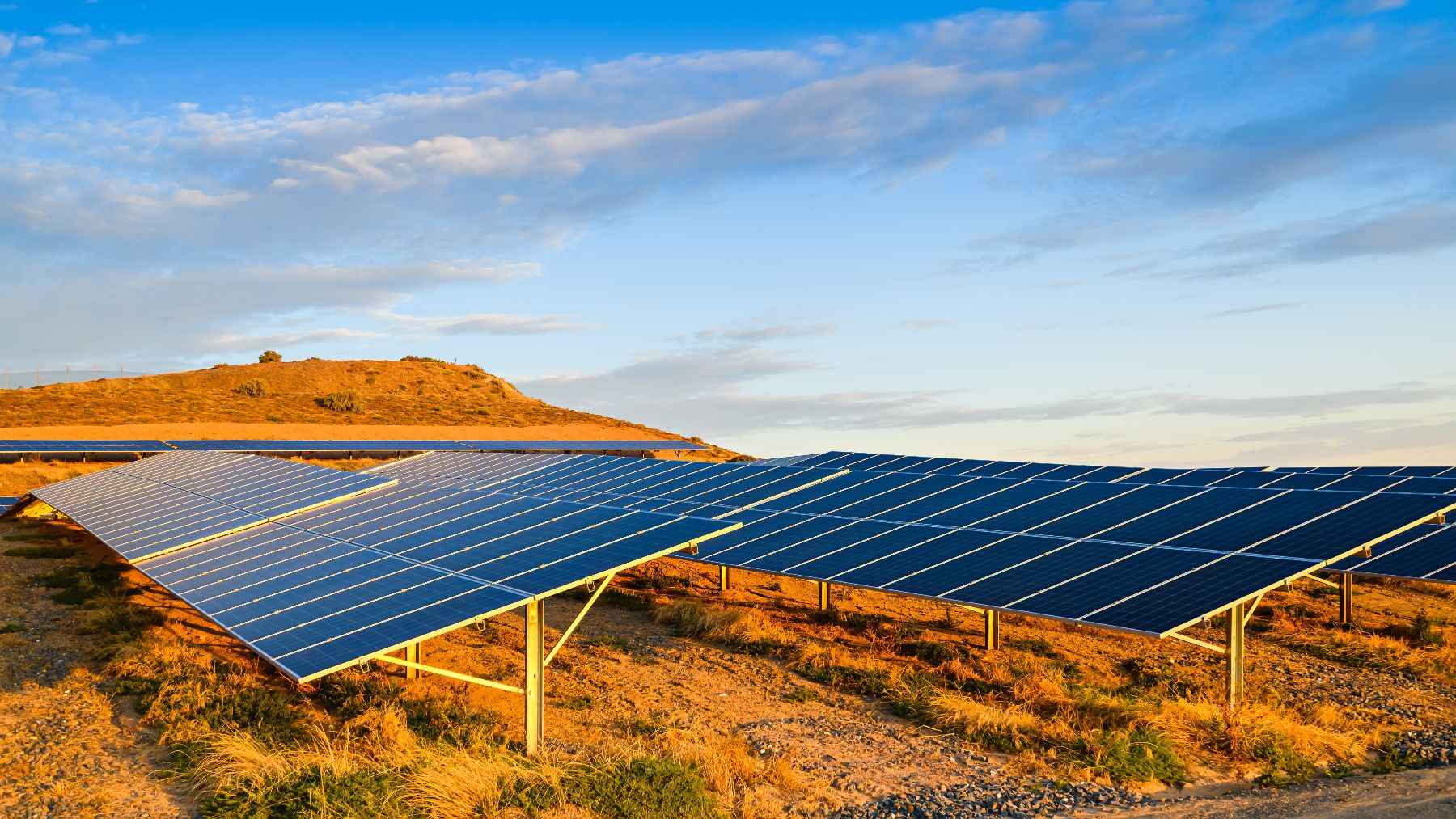
Duke Energy Florida just finished building the Bailey Mill Solar Center, located near Monticello in Jefferson County. The facility packs 163,000 solar panels across a site rated at 74.9 megawatts of capacity — enough to power around 15,000 homes when the sun’s doing its thing.
New solar facility comes online in Jefferson County
Bailey Mill produces carbon-free electricity with zero noise — no turbines, no exhaust, no moving parts. That’s a sharp contrast to the gas-fired plants it’s meant to work alongside. The site sits near Monticello, a small North Florida city that serves as the Jefferson County seat, which means utility-scale solar is now part of a largely rural stretch of the state.
Yes, 163,000 panels take up a lot of land. At 74.9 megawatts of peak capacity, though, Bailey Mill adds real generation to Duke Energy Florida’s grid without burning a drop of fuel. The output justifies the footprint.
For every four solar sites the company completes, its 2 million customers collectively save an estimated $1 billion in fuel costs over those sites’ lifetimes.
Fuel displacement drives the case for the project
Here’s the honest pitch for solar, at least from a customer standpoint: it’s not really about the environment. It’s about money. When the sun’s generating electricity, Duke Energy Florida doesn’t have to buy as much natural gas, fuel oil, or coal on the open market — and that’s where the actual benefit to customers shows up.
At peak output, Bailey Mill is projected to displace 1.2 million cubic feet of natural gas, 15,000 barrels of fuel oil, and 12,000 tons of coal annually. Every unit displaced is one Duke Energy Florida doesn’t have to buy at whatever the market’s charging that day. These aren’t small numbers.
Fuel costs don’t stay with the utility. They pass straight through to customers via line items on monthly bills, so when fuel purchasing drops, bills tend to follow relatively quickly.
Duke Energy Florida state president Melissa Seixas put it simply: “Every solar site we bring online reduces the amount of fuel we need to purchase, and those savings go directly to our customers’ bills.” She also thanked the Jefferson County community for backing the project.
Projected savings of $250 million over the facility’s lifetime
Over its full service life, Bailey Mill is expected to save customers $250 million in fuel costs. That’s a projection, not a promise — fuel markets move around — but it reflects the long-term value of generation that costs nothing to fuel.
Duke Energy Florida offers a useful frame for that number. For every four solar sites the company completes, its 2 million customers collectively save an estimated $1 billion in fuel costs over those sites’ lifetimes. Bailey Mill is one piece of a much bigger savings picture, one that keeps growing as more sites come online. Those savings flow back through the same channel that creates them: lower fuel charges on monthly bills, built into the rate structure automatically.
Duke Energy Florida’s broader solar expansion plan
Bailey Mill didn’t show up out of nowhere. It’s one of five solar sites Duke Energy Florida has completed since the start of 2025 — which tells you the company is moving through its buildout at a real clip, not treating each site like a standalone event.
The pipeline ahead is sizable. Before the end of 2028, Duke Energy Florida plans to bring 11 more solar sites online, adding significantly to a portfolio that already covers more than 25 sites across Florida with a combined capacity of around 1,850 megawatts. Looking further out, the company projects more than 5,500 megawatts of utility-scale solar operating in Florida by the end of 2033 — roughly three times the current installed base.
Florida’s ongoing population growth makes that scale of investment easier to defend. More people and businesses mean more electricity demand, and solar lets you add capacity without taking on the fuel price risk that comes with gas generation.
What Bailey Mill means for Duke Energy Florida customers
Bailey Mill Solar Center is now up and running, adding 74.9 megawatts of carbon-free generation near Monticello in Jefferson County. Its 163,000 panels can power the equivalent of about 15,000 homes at peak production, and the whole thing runs quietly with no direct emissions.
The projected $250 million in customer fuel savings over the site’s lifetime works through a straightforward mechanism: solar generation cuts fuel purchasing, and lower fuel costs show up on your bill. At peak output, Bailey Mill displaces 1.2 million cubic feet of natural gas, 15,000 barrels of fuel oil, and 12,000 tons of coal every year.
It’s also part of something considerably bigger. Duke Energy Florida currently runs over 25 solar facilities with roughly 1,850 megawatts of combined capacity, and eleven more sites are planned before 2028. By 2033, the company is targeting more than 5,500 megawatts of utility-scale solar across Florida — a goal that would make Bailey Mill one of many contributors to a much larger clean energy portfolio.
Kelly is an experienced writer with 15 years of experience exploring the big stories that shape our world, from tech breakthroughs and space exploration to climate, energy, and the fascinating quirks of science. She has a talent for turning complex ideas into sharp, memorable insights that stay with readers long after they’ve finished reading.
