
EPA announces $10.8 million in grants to train and expand the U.S. water sector workforce
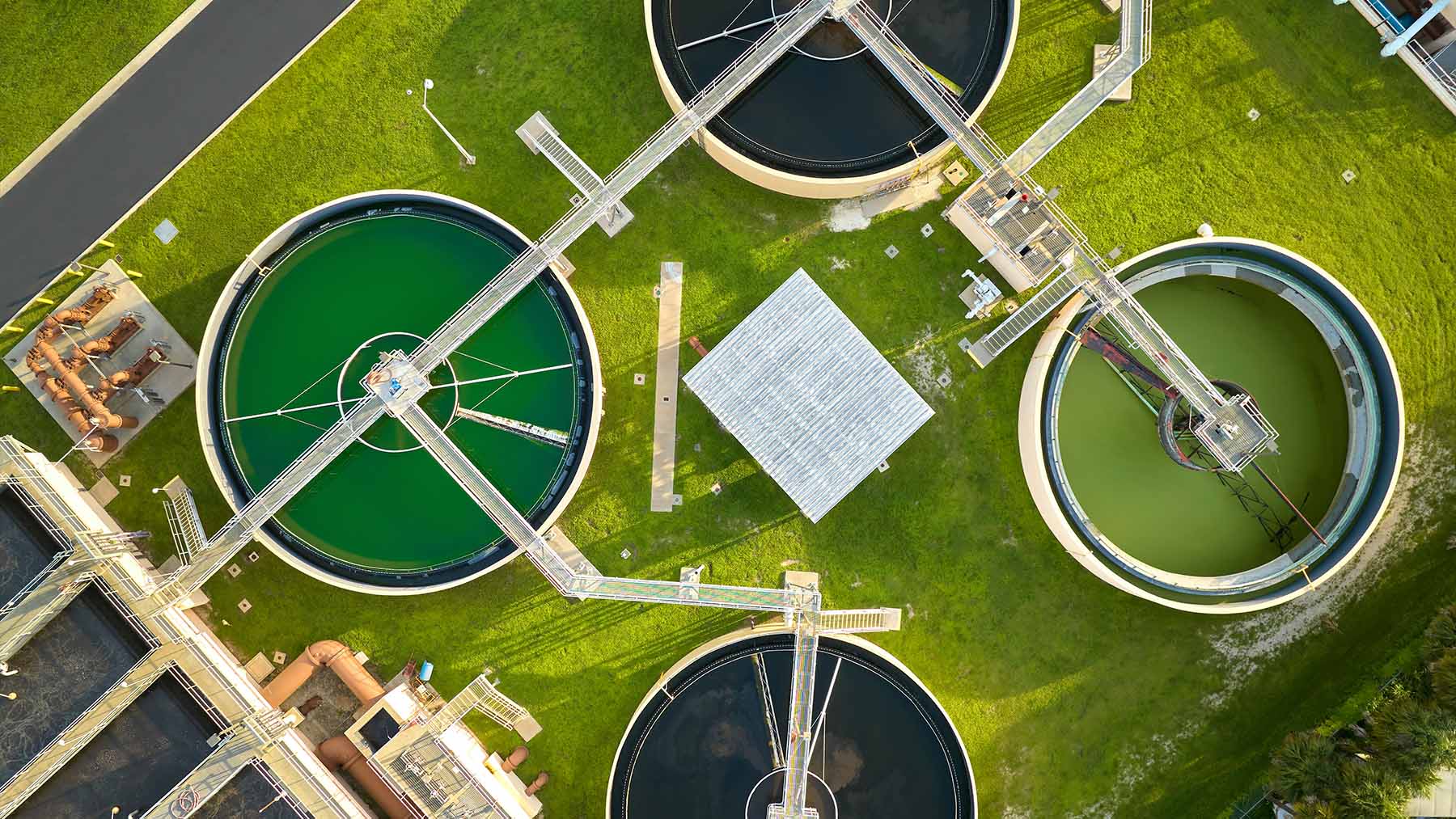 Image generated with artificial intelligence
The EPA announced $10.8 million in available grant funding this week to support training and workforce development across the U.S. water sector. The money is aimed at building a stronger pipeline of qualified workers for drinking water, wastewater, and stormwater systems nationwide—roles the agency describes as essential to protecting public health and the environment.
EPA opens $10.8 million grant program for water workforce training
The EPA’s Innovative Water Infrastructure Workforce Development Grant program is the formal vehicle for this funding. It’s a competitive grant, so organizations have to apply and demonstrate how they’ll use the money—whether that’s building training programs, recruiting new workers, or developing career pipelines in the water and wastewater sector.
The deadline to apply through grants.gov is October 5, 2026. The EPA is encouraging all eligible organizations with an interest in water workforce development to get in.
The first covers targeted internships and apprenticeships for skilled water utility trades—hands-on, job-ready training for people entering the field directly.
EPA Assistant Administrator for Water Jess Kramer framed the funding as part of a bigger push. “The Trump EPA is using every tool in the toolbox, including over $10 million in new funding, to strengthen and fortify the nation’s water workforce,” she said. Kramer added that the agency is working with states, the water sector, and local partners to advance “practical, tangible, and demonstrated effective solutions.”
Workforce shortages and aging infrastructure drive the funding decision
This investment doesn’t come out of nowhere. Water systems across the country are short on qualified workers, and the main driver is retirements—a large portion of the current workforce is aging out, with not enough trained replacements ready to step in.
The infrastructure itself compounds the problem. Many systems are trying to modernize aging pipes, treatment facilities, and equipment while simultaneously struggling to find workers with the right technical skills to do it.
Cyberattacks on water infrastructure have emerged as a serious and growing risk, requiring specialized training that much of the current workforce simply hasn’t received. The EPA has acknowledged that new technical and scientific skill sets are needed to keep pace. The agency recently held a roundtable on recruiting and retaining workers and reducing barriers to coordination across state lines—this grant is a near-term action while that broader strategy continues to develop.
Grant covers four program areas, from apprenticeships to decentralized water systems
This isn’t a single-purpose fund. It’s structured around four distinct program areas, each targeting a different part of the workforce pipeline.
The first covers targeted internships and apprenticeships for skilled water utility trades—hands-on, job-ready training for people entering the field directly. The second supports education across grade levels, from elementary through higher education, building awareness of water careers before students have already committed to a different path.
Regional industry and workforce development collaborations make up the third area. These partnerships connect employers with qualified candidates at the regional level, where labor markets actually function. The fourth is more specialized: training for decentralized water workers who serve communities relying on private wells or septic systems rather than centralized utilities. Those communities often have fewer resources and less visibility, so targeted support carries real weight here.
Eligible applicants and legislative background
This grant program has been around longer than this week’s announcement might suggest. Congress established it through the America’s Water Infrastructure Act in 2018, and the current funding round also revives the 2020 Water Workforce Initiative developed during the first Trump Administration.
Eligible applicants include nonprofit professional or service organizations, nonprofit labor organizations, nonprofit community colleges, institutions of higher education, other nonprofit training and educational institutions, and public works departments. For-profit companies aren’t on the list.
The program is explicitly designed to encourage collaboration—bringing together federal, state, and local governments alongside academic institutions, apprenticeship programs, labor organizations, high schools, and community-based groups. The U.S. Environmental Protection Agency‘s stated goal is coordinated, regional approaches rather than isolated programs operating on their own. Questions about applying can be directed to [email protected].
Supporting four program areas
Here’s what you need to know. The EPA has made $10.8 million available through the Innovative Water Infrastructure Workforce Development Grant program to fund training, recruitment, and career development in the drinking water, wastewater, and stormwater sectors.
The funding addresses a documented workforce shortage driven by retirements, aging infrastructure, and emerging threats like cyberattacks. It supports four program areas: apprenticeships and internships, education at all grade levels, regional workforce collaborations, and training specifically for decentralized water system workers.
Eligible applicants include nonprofits, labor organizations, community colleges, higher education institutions, and public works departments. The application deadline is October 5, 2026, through grants.gov. Send questions to [email protected].
Kelly is an experienced writer with 15 years of experience exploring the big stories that shape our world, from tech breakthroughs and space exploration to climate, energy, and the fascinating quirks of science. She has a talent for turning complex ideas into sharp, memorable insights that stay with readers long after they’ve finished reading.
