
Peak Energy joins forces with General Motors to advance next-generation grid-scale battery solutions
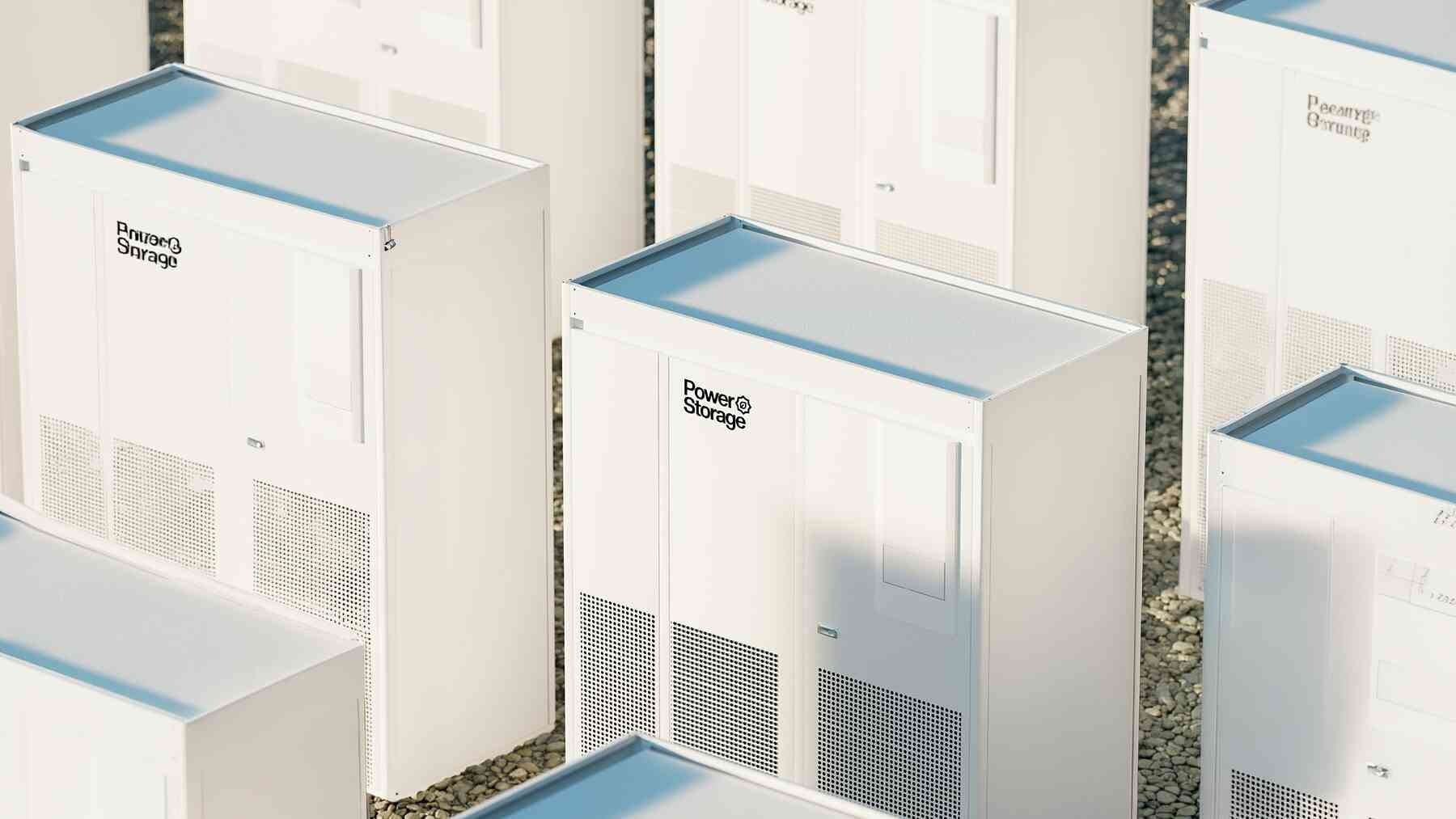
The number of companies that are showing a commitment to invest money into energy initiatives with the aim of increasing their access to clean energy is continuously increasing. The most notable companies heavily involved in such initiatives are those specializing in building data centers, with one such example being Google. Nevertheless, some companies in the automotive industry are also aware of the potential rewards that they can get from investing in energy initiatives, especially bearing in mind that the automotive industry is transitioning toward an electrification-centered era. On that note, Peak Energy and General Motors partnered on grid-scale storage technology.
Peak Energy and General Motors reach a groundbreaking energy initiative
The media always shines a greater spotlight when companies from two different sectors decide to come together with the overall objective of executing a captivating initiative. Peak Energy is an energy storage startup that was founded in 2023 by Tesla, Northvolt, and Enovix. The main aim of the company is to provide cheaper and safer alternatives to traditional lithium-ion technology.
On the other hand, General Motors (GM) is a company that has a good reputation for its success in the automotive industry. The company has moved beyond automotive manufacturing into the energy realm through the establishment of GM Energy, which focuses on transforming vehicles and batteries into active grid assets.
Peak Energy and General Motors (GM) created buzz and excitement after revealing to the public that they have reached a strategic partnership that intends to hasten the development of futuristic grid-scale energy storage technology. The collaboration is one that the companies believe will focus on sodium-ion battery systems to provide more affordable and reliable solutions for the ever-growing energy storage market.
Reviewing how Peak Energy and General Motors are leading the charge of a new era
In terms of the specific details of the agreement, it will bring together two aspects that the companies are known for. When entities decide to collaborate, they are hoping to complement each other effectively so that the project can be successful. For instance, in this case, Peak Energy’s advanced stationary storage platform is set to be brought together with GM’s battery development expertise.
According to the terms of the partnership, GM will develop sodium-ion battery cells through its battery research facilities in Michigan and maintain manufacturing rights for the technology.
Analyzing the specific details of the agreement and its impact on the companies
When companies collaborate, they are expected to each play their part so that they can achieve success. In this case, Peak Energy will be expected to integrate the cells into its proprietary energy storage systems, combining battery innovation with its current grid-storage architecture. There is huge positivity following the agreement reached by the two companies. For instance, Landon Mossburg, CEO and Co-Founder of Peak Energy, stated:
“Lowering the cost of energy is one of the most important issues facing America today. We are proud to develop an energy storage system that is safer, cheaper, and faster to deploy than any other technology on the market, enabling the U.S. to meet rapidly growing energy demand.”
Assessing how Peak Energy and General Motors could influence future initiatives
Peak Energy is a company with extensive knowledge when it comes to battery research, and it is now using its expertise in cell development and manufacturing toward stationary energy solutions.
Electric vehicle batteries usually maintain a compact size and high energy density, but the upcoming grid storage systems need technologies that prioritize different elements, such as affordability and extensive lifespans. There has been an ongoing trend in the industry where sodium-ion technology is gaining more popularity. One of the key reasons for this trend is that sodium is less challenging to attain than lithium.
Nevertheless, lithium-oriented batteries are still most commonly used even though industry enthusiasts recognize that sodium-ion systems could provide a cheaper and more reliable alternative for large-scale energy infrastructure. Ultimately, the partnership conveys how automotive intelligence can affect innovation as demand for reliable electricity becomes higher.
Prince is a versatile writer focused on energy, automotive, environmental, and general news topics. He makes complex technical and policy issues clear, engaging, and accessible for a broad audience.
