
Philadelphia quietly put $14.7 million into clean energy a decade ago and what grew back stunned even the people who planted it
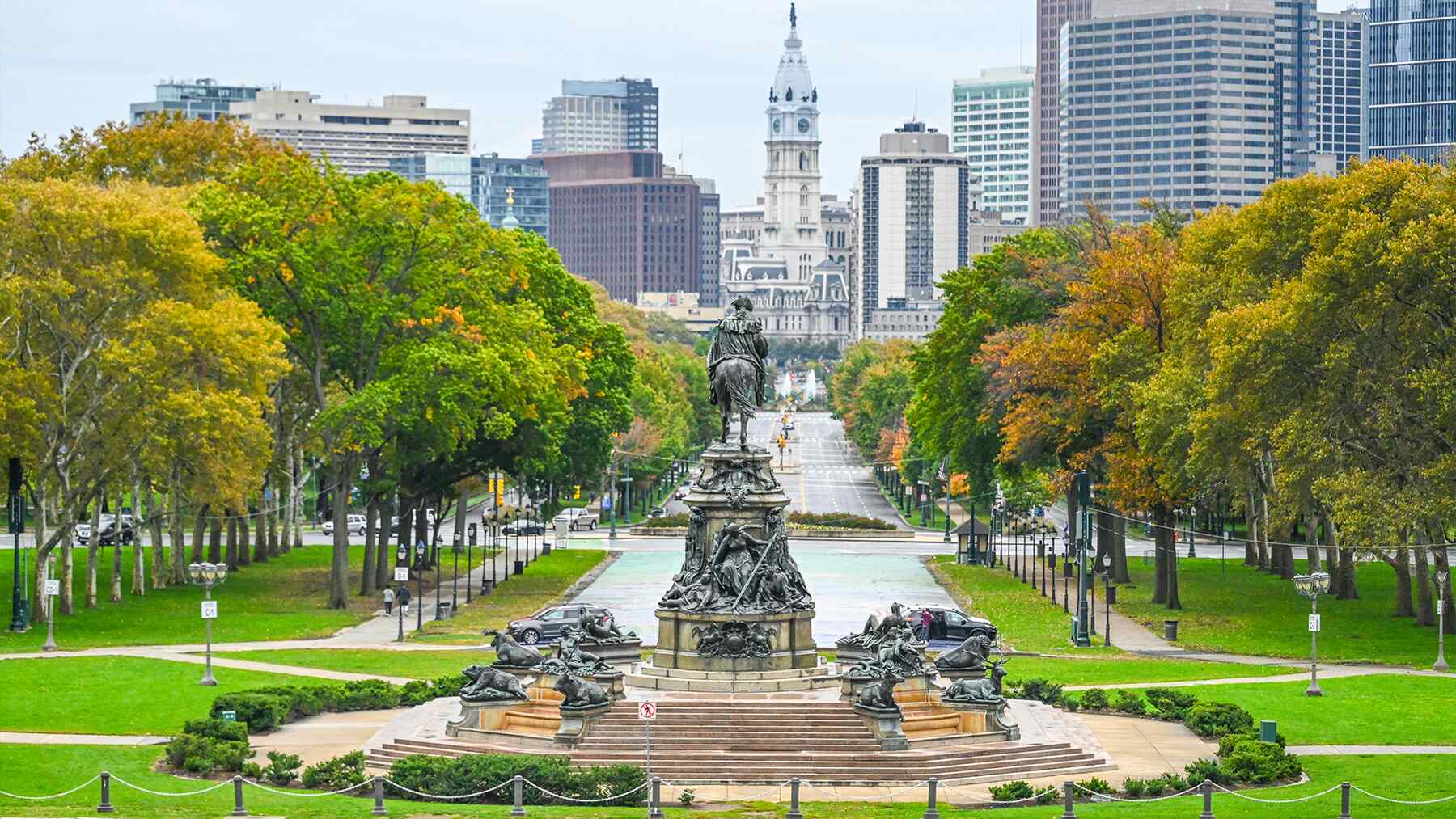
When Philadelphia launched its clean energy campaign in 2016, the city’s public investment was modest by any measure — $14.7 million spread across a decade. Nobody was predicting a transformation.
What followed touched neighborhoods, schools, transit lines, and thousands of low-income households across the city. The scale of what grew from that initial commitment has since surprised even the people who built it from the ground up.
A decade of building from small beginnings
The Philadelphia Energy Campaign launched in 2016 as a three-way partnership between the Philadelphia Energy Authority, the city of Philadelphia, and City Council. From the start, the approach was exploratory rather than sweeping. CEO Emily Schapira described the early strategy as a “Jenga approach — just tapping the blocks to see which ones come loose.” The goal was to identify which projects could gain traction before committing deeper resources.
Equity was embedded in program design from the beginning, not treated as an afterthought — and that distinction shaped who the campaign actually reached.
Early wins were concrete and visible. The campaign oversaw installation of more than 130,000 LED street lights across the city, and energy-efficiency upgrades at the Philadelphia Museum of Art cut the building’s electricity use by 28%. These were not moonshots. They were incremental, measurable improvements of the kind that build institutional credibility — quietly, over time.
Political support proved just as important as the technical work. City Council President Darrell Clarke helped unite stakeholders who rarely sat at the same table: the housing authority, the transit authority, the school district, community organizations. Schapira credited that coalition-building as the factor that “opened a lot of doors,” even when it carried no significant funding with it.
What ten years of investment actually produced
The numbers in the campaign’s 10-year economic impact report, released in 2025, are difficult to dismiss. A public investment of $14.7 million in operating support grew into $1.3 billion in total economic investment. Over $1.4 billion in energy savings flowed to the city and its residents, and more than 11,000 jobs were created across the campaign’s lifespan.
The fiscal returns were also meaningful. The campaign generated $25.3 million in annual tax revenue and drove more than $130 million per year in capital investment for energy efficiency and infrastructure — not projections, but a decade of documented activity across dozens of programs and financing mechanisms.
Schapira put the return plainly: “$14.7 million total over the 10 years from the city of Philadelphia towards our operating budget. That was their investment. And we turned that into $1.3 billion and over 11,000 jobs.”
Programs that reached residents directly
The campaign’s impact was not confined to municipal buildings or commercial corridors. Two programs in particular extended clean energy access into low-income neighborhoods.
Built to Last aggregated available funding so low-income homeowners could access housing-repair and energy-affordability programs at the same time. More than 400 households completed energy efficiency and structural improvements through the program, with estimated annual savings of $300 to $1,000 per household — a range that carries real weight for families already stretched thin by utility bills.
Solarize Greater Philadelphia guided homeowners and small businesses through the solar installation process. More than 4,300 homeowners participated, over half of them low-income residents, adding 25 megawatts of solar capacity to the grid. A separate water and sewer line protection program reduced the energy the water department spends pumping water lost through leaky infrastructure. Equity was embedded in program design from the beginning, not treated as an afterthought — and that distinction shaped who the campaign actually reached.
The funding model that made it possible
What set Philadelphia’s campaign apart was not any single program but the way it was financed. Schapira described the approach as “stacking and layering different types of funding” — blending bonds, public capital, private financing, and philanthropy in combinations that stretched each dollar further.
Commercial Property Assessed Clean Energy, known as C-PACE, became one of the most productive tools in the portfolio. The mechanism allows property owners to finance clean energy upgrades through a voluntary property tax assessment. Approximately $400 million in C-PACE financing supported 22 projects and produced $29.9 million in municipal tax revenue.
In 2021, the Philadelphia Energy Authority launched the Philadelphia Green Capital Corp., a nonprofit green bank designed to expand the campaign’s capacity to combine funding types. Schapira called it “transformative for how we’ve been able to put different kinds of dollars together and make a lot out of a little.” The model was built deliberately to avoid dependence on any single source — a decision that would prove well-timed.
Resilience by design — even as federal support shrinks
The loss of a $156 million Solar for All federal grant was a real setback. Schapira acknowledged it was tough. But the campaign absorbed the blow without collapsing, because it was never structured around federal generosity.
The campaign launched during the first Trump administration, and its founders drew a deliberate lesson from that context. They built programs around flexible, locally controlled financing rather than waiting on Washington. When federal priorities shifted again, Philadelphia was not caught flat-footed.
Sustainability director Elizabeth Lankenau offered a direct framing: focus on what you can actually change, and keep moving. “We’re all moving the needle in our own way,” she said.
What Philadelphia has built over ten years is not just a collection of energy programs — it is a replicable model that other cities watching federal clean energy support erode may find worth studying. The question now is how far that model can scale, and whether the next decade produces returns that surprise even the people running it.
Kelly is an experienced writer with 15 years of experience exploring the big stories that shape our world, from tech breakthroughs and space exploration to climate, energy, and the fascinating quirks of science. She has a talent for turning complex ideas into sharp, memorable insights that stay with readers long after they’ve finished reading.
