
Colorado researchers built a crystal-clear window film that traps heat so effectively it could reshape how buildings consume energy
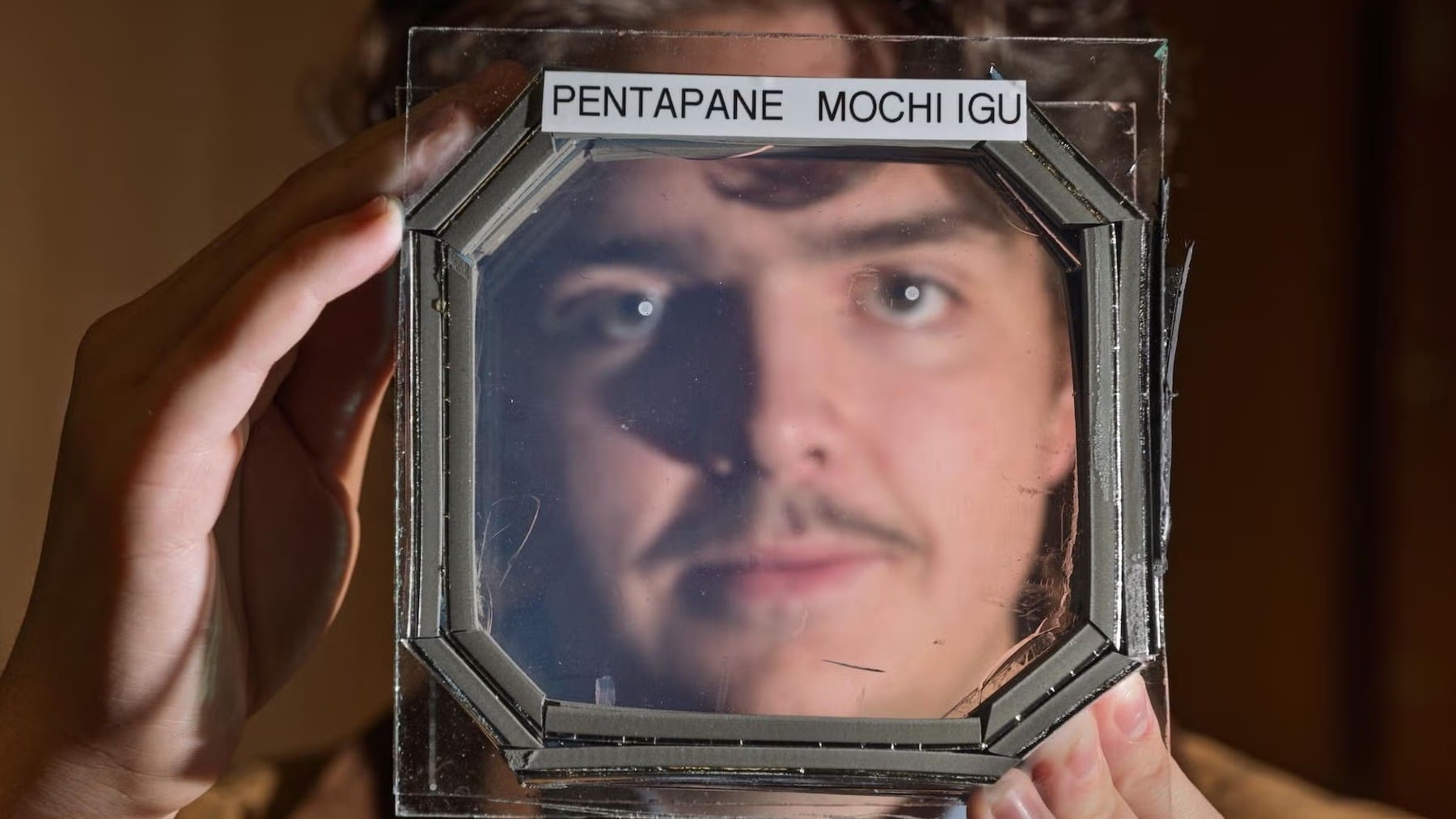 Credits: Glenn Asakawa/CU Boulder
Modern architecture can become an active participant in climate control using a new window film.
The worsening effects of climate change are driving up energy consumption worldwide.
Extremely cold winters and prolonged heatwaves in summers are skyrocketing electricity usage in buildings.
Her work focuses on making complex topics accessible, informative, and relevant for readers across different areas of interest.
The fundamental flaw of these structures’ designs must be addressed to lower emissions and utility bills.
Will targeting thermal weak spots of conventional window glass help overcome this issue?
How the world is stuck in a climate-energy feedback loop
Breaking dangerous cycles is easier said than done, especially when they involve climate change.
Global annual energy consumption is outpacing renewable energy power generation.
When this happens, operators turn toward fossil fuel plants to ensure grid stability.
This perpetual reliance results in significant greenhouse gas emissions.
The higher the emissions levels, the more heat is trapped in the atmosphere.
Consequently, Earth’s average temperature has been increasing above the safe zone.
This triggers extreme weather events, rendering people heavily dependent on indoor climate control.
Worldwide, buildings account for nearly 30% of total energy consumption.
Space and water heating uses 70% of that share in advanced economies.
Furthermore, power for cooling systems is increasingly straining global grids.
Renewable energy capacity expansion alone is not enough to break this cycle.
It addresses how electricity is generated, but not how modern buildings waste valuable energy.
The structural flaw of modern architecture
Several buildings are fundamentally flawed by design as they do not retain incoming energy.
Architecture should be transformed into “energy-storing” batteries to raise efficiency.
Instead, modern structures constantly leak thermal energy into the atmosphere.
The core of this structural defect lies with a building’s transparent surfaces.
Walls can trap indoor temperatures using thick, opaque insulating materials.
However, the need for transparent windows is forcing designers to compromise thermal insulation for visibility.
Windows are responsible for nearly 50% of a standard building’s heat exchange. Yet, they comprise only an average of 8% of a building’s total surface area.
This leads to a major global resource drain.
Inefficient window glass experiences significant energy loss. This accounts for up to 20% of the total energy consumption of buildings worldwide.
In the U.S., thermal waste costs owners and tenants over $45 billion annually.
To solve this, the University of Colorado at Boulder engineered a new window film.
A clear window film solution to an invisible heat problem
Buildings could soon benefit from lower electricity consumption.
The innovative transparent film is called the Mesoporous Optically Clear Heat Insulator (MOCHI).
The material is a unique, silicone-based gel and functions like high-tech bubble wrap.
Unlike traditional insulating aerogels that are cloudy, MOCHI is 100% transparent.
It also reflects only 0.2% of light.
Unlocking the secret of MOCHI’s microscopic internal geometry
The film is packed with tiny, air-filled channels.
These channels are thinner than a human hair. Researchers refer to this intricate network of pores as a “plumber’s nightmare.”
Anke Maree is a writer with a clear and engaging editorial style. Her work focuses on making complex topics accessible, informative, and relevant for readers across different areas of interest.
