
Siemens Energy invests $300 million in new Mississippi switchgear plant, adding up to 300 jobs
 AI-made
On February 3, Siemens Energy broke ground on a $300 million high-voltage switchgear manufacturing plant in Pearl, Mississippi — its second factory in the state. Governor Tate Reeves presided over the ceremony, marking a significant expansion of domestic grid infrastructure production expected to create up to 300 jobs in the region.
Siemens Energy breaks ground in Pearl, Mississippi
The February 3 groundbreaking in Pearl wasn’t just a photo op. It’s a real commitment to domestic energy infrastructure at a moment when U.S. power grids are under serious strain. Siemens Energy is putting $300 million into a brand-new manufacturing facility in Rankin County — one that will produce high-voltage switchgear for the national grid.
Governor Tate Reeves was on hand, calling it “another important win for Mississippi and America.” Once operational, the plant is expected to create up to 300 jobs, a meaningful economic boost for Pearl and Rankin County.
Earlier this year, Siemens Energy announced a $1 billion investment to ramp up manufacturing across the United States and significantly expand its workforce.
Why Siemens Energy is expanding U.S. manufacturing capacity
Demand is surging. Power grids across the country are aging, and the push to modernize them — while absorbing new energy sources — has put serious pressure on the supply of critical grid equipment.
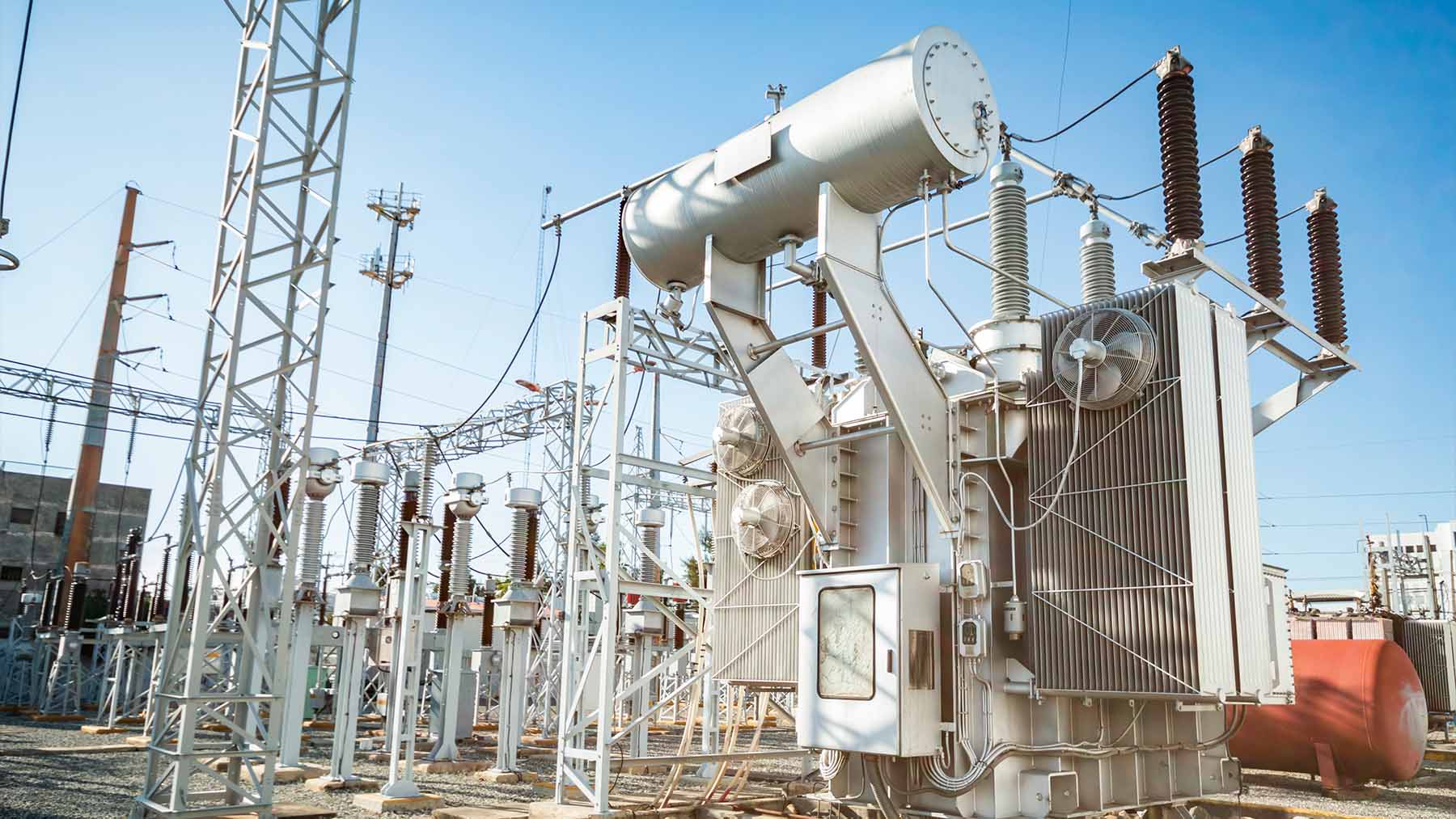
High-voltage switchgear sits right at the center of that pressure. Think of it as a safety switch for the electricity grid: it protects equipment, helps prevent blackouts, and keeps things stable when fluctuations hit. As Tim Holt, a member of Siemens Energy’s Executive Board, put it: “The equipment that we produce here in Mississippi is crucial for safe and reliable energy delivery.”
Pearl is part of a much bigger move. Earlier this year, Siemens Energy announced a $1 billion investment to ramp up manufacturing across the United States and significantly expand its workforce. The Mississippi facility fits squarely into that strategy — and Holt noted it will help “meet the nation’s grid needs” while reducing reliance on international supply chains for essential components. That theme is echoing across U.S. industrial policy right now, and it shows no sign of fading.
Expected impact on jobs, workforce, and regional supply chain
Up to 300 new jobs are expected from the Pearl facility. The economic ripple effect, though, will likely reach well beyond those direct hires.
The campus will include a state-of-the-art training center. Siemens Energy framed it as part of a broader commitment to workforce development and upskilling—language the company tied specifically to preparing workers for what it called the “AI era.” That’s worth noting, since it suggests the facility is being designed with long-term adaptability in mind, not just immediate production needs.
Regional suppliers stand to benefit as well. Noel Daniels, chairman of the Rankin First Economic Development Authority, said the project “isn’t just about bringing hundreds of new jobs”—it also enables growth for local families and regional suppliers, supporting both the new Pearl facility and the existing Richland plant.
The project came together through a genuine network of partners: Rankin First, the Mississippi Development Authority, the City of Pearl, AccelerateMS, Entergy, and Hinds Community College all collaborated with Siemens Energy to make it happen. That kind of multi-stakeholder alignment is often what separates a project that gets announced from one that actually gets built. Governor Reeves put the local sentiment plainly: “In Mississippi, we make stuff, and companies from around the world continue to invest here because our people know how to get the job done.”
Siemens Energy’s manufacturing history in Mississippi
This investment didn’t come out of nowhere. Siemens Energy has been manufacturing in Mississippi since 1973 — over five decades in the state — and its existing Richland factory already produces high-voltage switchgear. Pearl, then, is an expansion of proven operations, not a new experiment.
Daniels called the groundbreaking “a historic milestone” for Rankin County, noting that Siemens Energy will now run two significant facilities in the same community. Mississippi has been actively positioning itself as a destination for advanced manufacturing in the Southeast, and this investment adds another chapter to that story. For international companies looking to establish or deepen U.S.-based production, the state’s appeal is clearly holding.
Siemens Energy reported in a press release that it broke ground on February 3 on a $300 million high-voltage switchgear plant in Pearl, Mississippi, its second facility in the state. The plant is expected to create up to 300 jobs and will include a workforce training center. The investment is part of a broader $1 billion U.S. manufacturing expansion the company announced earlier this year, driven by growing demand to modernize the national power grid. Partners on the project include Rankin First, the Mississippi Development Authority, the City of Pearl, AccelerateMS, Entergy, and Hinds Community College. Siemens Energy has operated in Mississippi since 1973, with an existing switchgear plant in Richland already running.
Kelly is an experienced writer with 15 years of experience exploring the big stories that shape our world, from tech breakthroughs and space exploration to climate, energy, and the fascinating quirks of science. She has a talent for turning complex ideas into sharp, memorable insights that stay with readers long after they’ve finished reading.
