
PetroPeru’s Talara refinery now sells the toxic hydrogen sulfide it once vented as commercial-grade sulfuric acid to miners and fertilizer makers
 File image
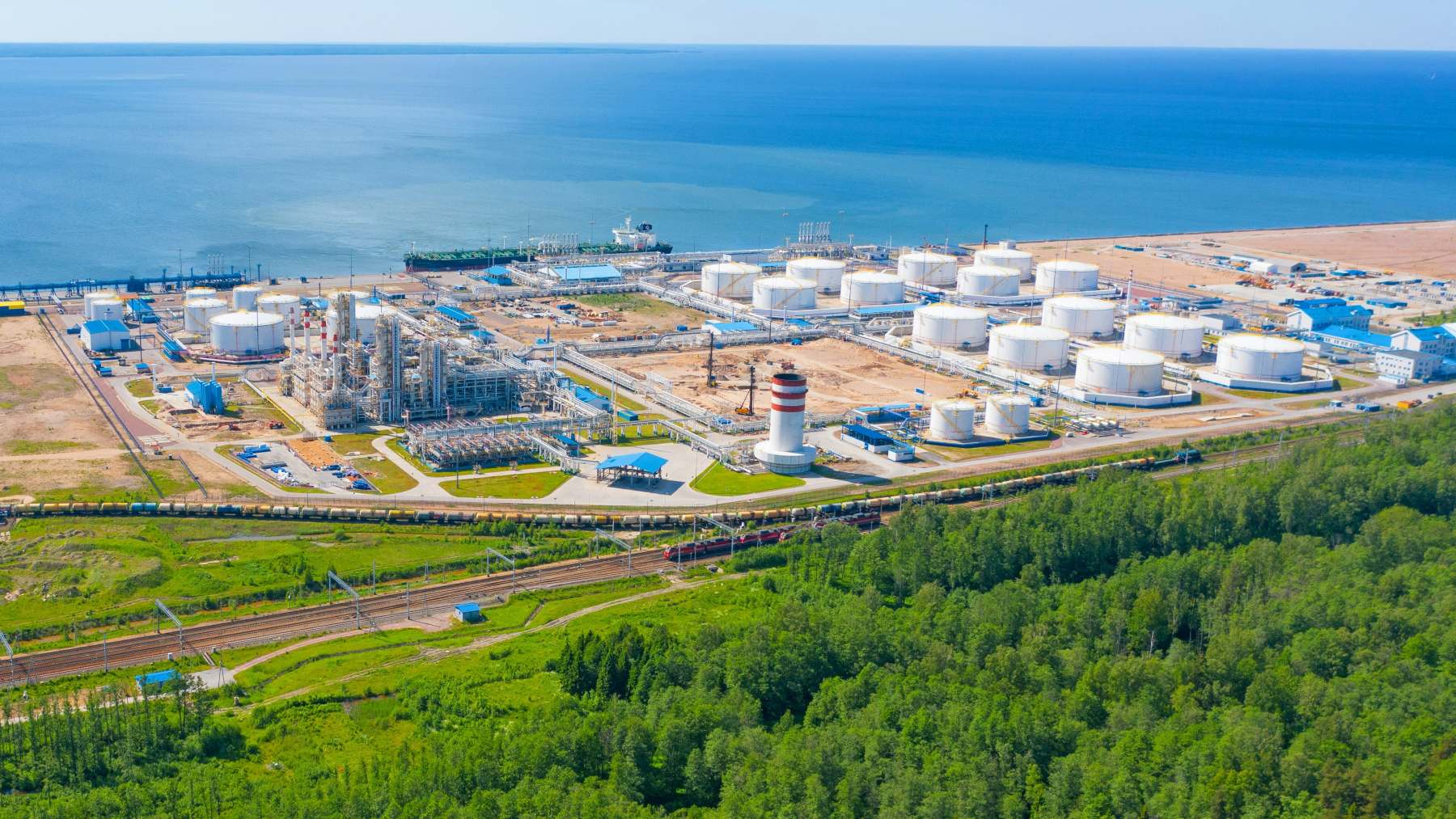
For decades, Peru’s largest refinery quietly vented hydrogen sulfide — a toxic byproduct of its own operations — into the atmosphere. Now, the Talara refinery is capturing that same waste gas and selling it back to the market as commercial-grade sulfuric acid.
The shift at PetroPeru’s coastal facility isn’t just an emissions fix. It’s turned a liability into a product that local miners and fertilizer producers are already buying.
A waste stream hiding in plain sight
Refineries don’t only produce fuel. They also generate hydrogen sulfide — a colorless, toxic gas that emerges as a byproduct whenever crude oil passes through Amine and sour water stripper units during processing. It’s an unavoidable consequence of refining, and at a facility the size of Talara, it accumulates in substantial quantities.
Substituting process-generated steam for boiler steam cuts the refinery’s natural gas consumption and, with it, the CO2 emissions from fossil fuel combustion.
Left unmanaged, H2S is a serious environmental hazard. Released into the atmosphere, it contributes to acid rain and air pollution, with documented harm to ecosystems and human health. The conventional industry response has typically been costly disposal or flaring — neither of which recovers any value from the gas.
PetroPeru faced this problem at scale. As Peru’s largest refinery, Talara generates more waste gas than a smaller facility could, making the consequences of mismanagement proportionally higher. Rather than defaulting to the standard playbook, the company integrated a technology that reframes the problem entirely.
How waste gas becomes a sellable product
The technology at the center of this transformation is Topsoe’s wet sulfuric acid process, known as WSA. It works by first combusting hydrogen sulfide into sulfur dioxide, then catalytically oxidizing that into sulfur trioxide, which reacts with water to produce concentrated sulfuric acid.
What makes the process notable is its simplicity — the system requires only air, cooling water, and boiler-feed water. No additional chemicals are introduced, and the process produces no emissions or effluents of its own.
The efficiency figures are significant. WSA can remove 99.99% of sulfur content from the waste stream, placing it well within compliance for strict low-emission standards. And the output isn’t diluted or marginal — it’s commercial-grade concentrated sulfuric acid, ready for industrial use.
Local industries are already buying it
The acid produced at Talara doesn’t travel far. It feeds directly into Peru’s copper extraction sector, where sulfuric acid is a key input in the hydrometallurgical leaching process used to recover copper from ore. Fertilizer manufacturing is another consistent buyer, with large-scale demand for the compound.
This creates a genuine revenue stream for PetroPeru — one that offsets the operational costs of running the conversion system. A waste management expense has been reclassified, at least in part, as a production line. By producing sulfuric acid domestically, Peru also reduces its dependence on imported supply: a refinery byproduct, once vented as a hazard, now feeds the mining and agriculture sectors within the same country.
A hidden energy bonus: less natural gas
The chemical reactions involved in converting H2S to sulfuric acid generate significant heat. At Talara, that heat is captured and used to produce steam on-site — steam that would otherwise need to come from natural-gas-fired boilers.
Substituting process-generated steam for boiler steam cuts the refinery’s natural gas consumption and, with it, the CO2 emissions from fossil fuel combustion. It’s a secondary benefit that isn’t immediately visible from the outside, but one that materially improves the economics of the whole system.
Anders Norup Olsen, SVP for Clean Air at Topsoe, frames the combined effect plainly: “It stops harmful emissions being released into the atmosphere, but it also creates a useful byproduct for local industry and helps cut natural gas use and associated GHG emissions. It’s a true win-win-win situation.”
A regional model taking shape
Since implementation, Talara has begun attracting attention beyond Peru’s borders. PetroPeru has hosted site visits from companies in Chile and Brazil — a signal that the model is being studied as a potential template for similar refineries across Latin America.
The case also speaks to a tension that industrial operators often treat as fixed: the assumed trade-off between environmental compliance and profitability. Talara suggests that framing may be outdated. When the right technology is applied, emissions reduction and revenue generation can reinforce rather than undermine each other.
WSA technology is scalable, and refineries with comparable waste-gas streams exist across the region and well beyond it. The question Talara’s example quietly poses isn’t whether this approach is technically feasible elsewhere — it demonstrably is — but why converting a liability into a product took this long to become standard practice.
Daniel García is an Editor-in-Chief with strong expertise in structural work and engineering principles. He combines this technical foundation with deep knowledge of energy, spatial design, and emerging technologies, bringing a forward-thinking and analytical approach to editorial leadership.
