
Norway announces plan to halve wind farm and grid approval times to meet rising electricity demand
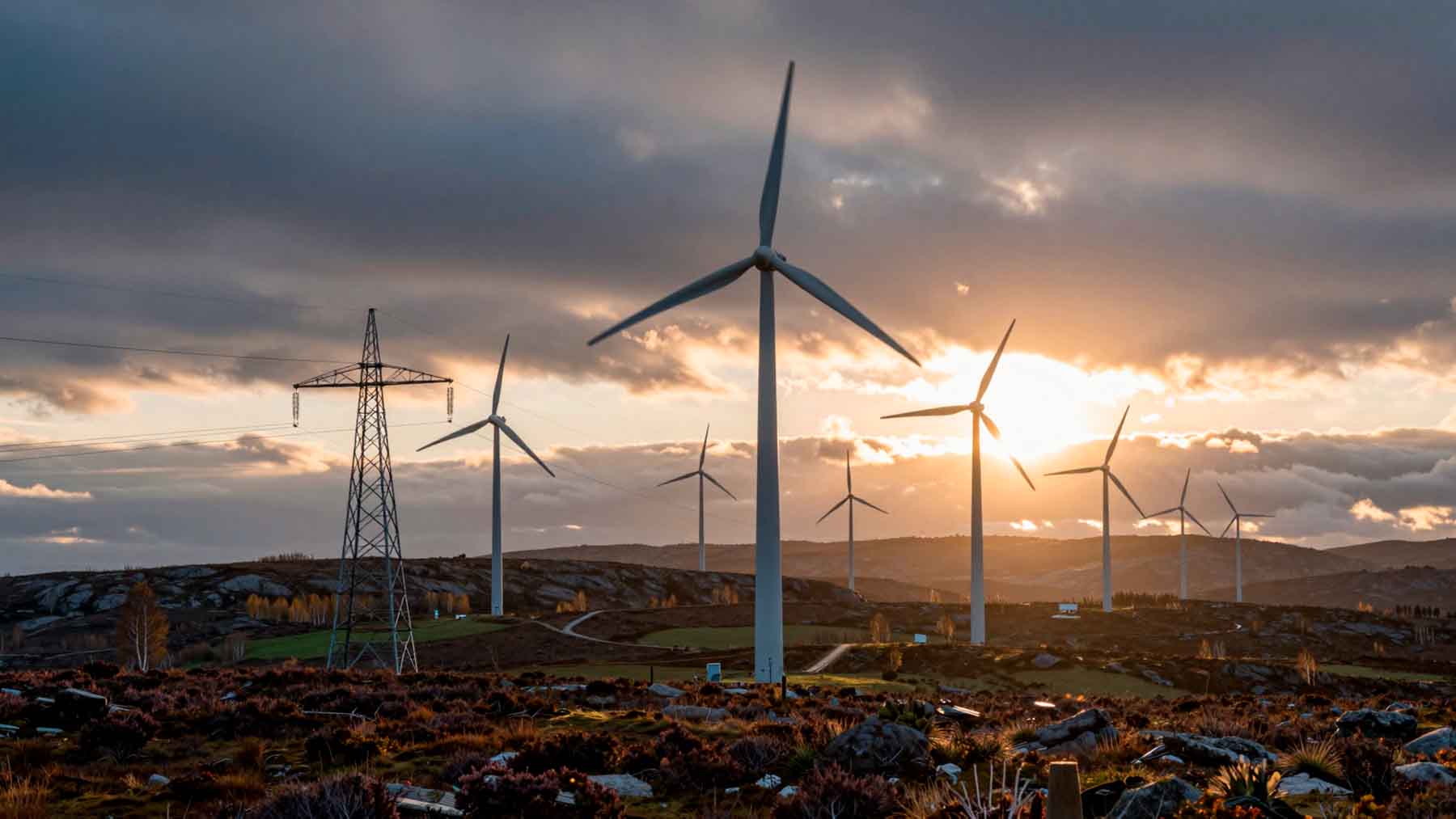 Image generated with artificial intelligence
Norway’s Labour Party government dropped a new energy package on Friday aimed at speeding up onshore wind power and grid development. At a press conference in Oslo, Prime Minister Jonas Gahr Støre and Energy Minister Terje Aasland laid out plans to cut grid development timelines in half by simplifying applications and clearing out bureaucratic bottlenecks. The move is a direct response to concerns that slow buildout could start choking economic activity across the country.
Norway unveils a wind and grid acceleration package
The announcement landed Friday, August 7, at a press conference in Oslo. Prime Minister Jonas Gahr Støre stood next to Energy Minister Terje Aasland to make the government’s case for moving faster.
Støre framed it in economic terms. “Faster development of more renewable power and electricity grids is crucial for cutting emissions, boosting employment and protecting existing jobs and companies,” he said. That framing matters—the government isn’t pitching this as a climate-only issue. It’s treating energy infrastructure as the foundation the broader economy runs on.
Layer in growing demand from data center operators hunting for clean energy connections, and the demand picture looks noticeably different from even five years ago.
Aasland was blunt about what the fix looks like: onshore wind is the quickest way to add electricity output, and it’s the cheapest option on the table. The package simplifies application processes, removes bureaucratic obstacles that have dragged projects out, and sets a headline target of halving the time it takes to build out electricity grids from start to finish.
Why Norway is pushing to accelerate wind development now
The timing makes sense once you look at what’s happened recently. After rapid expansion between 2015 and 2021, Norway’s onshore wind capacity basically stalled—the country has added only around 1,000 MW since then, just 2.5% growth. That’s a sharp slowdown by any measure.
It didn’t happen by accident. Significant backlash from residents and indigenous Sami groups pushed back hard against new wind projects in their communities, and that opposition translated into fewer approvals and a much quieter development pipeline.
Meanwhile, demand kept moving. Norwegian industries are shifting away from fossil fuels, pushing electricity consumption higher. Data center operators are also eyeing Norway’s clean energy supply and cool climate—and they need reliable grid connections soon. The gap between stalled supply and rising demand is tightening, and Friday’s package is a direct attempt to close it before economic activity starts paying the price.
Key measures: Municipal incentives and grid connection reform
One of the more concrete ideas in the package tackles a persistent obstacle: local resistance. The government wants to bring forward developers’ payments to municipalities, based on planned production rather than waiting until a project is fully operational. The logic is straightforward—make wind farms more financially attractive to the communities hosting them, giving local governments a real reason to get on board rather than push back.
On the grid side, the focus is on streamlining applications for both wind farms and transmission lines. Long approval timelines have been a recurring bottleneck, and the government wants to strip out bureaucratic steps that add delay without adding anything useful.
The urgency around grid capacity isn’t theoretical. In April, national transmission operator Statnett announced a pause on new power grid connections for major industrial plants in its Arctic region, citing capacity constraints. That kind of signal isn’t reassuring for industries looking to expand or relocate. Støre ties it all together: a faster buildout is essential not just for climate targets but for keeping people employed and protecting businesses that depend on affordable, available electricity.
Norway’s electricity system: Context and current pressures
To get why this shift matters, it helps to understand what Norway’s grid actually looks like. Hydropower dominates—a legacy of decades of investment in rivers and reservoirs. Onshore wind grew quickly alongside hydro between 2015 and 2021, adding meaningful capacity in a relatively short window, and that growth left Norway in a comfortable position as a net electricity exporter most years.
That surplus is under pressure now. Industrial decarbonization is the main driver: as Norwegian industries move away from fossil fuels, their electricity needs go up. Layer in growing demand from data center operators hunting for clean energy connections, and the demand picture looks noticeably different from even five years ago.
Friday’s announcement is essentially a deliberate reversal of the slowdown that followed community opposition to wind projects. The government is acknowledging that the pause—politically understandable as it was—has had real costs, and those costs will compound if nothing changes.
Onshore wind is the fastest path to boost output
Norway’s government has announced a package designed to halve wind farm and grid approval times by cutting red tape and simplifying applications. Energy Minister Aasland identified onshore wind as the fastest and cheapest path to boosting electricity output. The plan includes financial incentives for municipalities to support local wind development.
The push comes after onshore wind capacity growth stalled following community backlash, adding only around 1,000 MW—about 2.5%—since 2021. Rising industrial electricity demand and growing interest from data center operators are putting more pressure on a grid that Statnett has already started to constrain in some regions. The government frames faster buildout as essential for cutting emissions, protecting jobs, and staying economically competitive.
Kelly is an experienced writer with 15 years of experience exploring the big stories that shape our world, from tech breakthroughs and space exploration to climate, energy, and the fascinating quirks of science. She has a talent for turning complex ideas into sharp, memorable insights that stay with readers long after they’ve finished reading.
