
DOE awards $500 million to Cleveland-Cliffs’ Ohio steel plant to modernize operations and protect 2,300 jobs
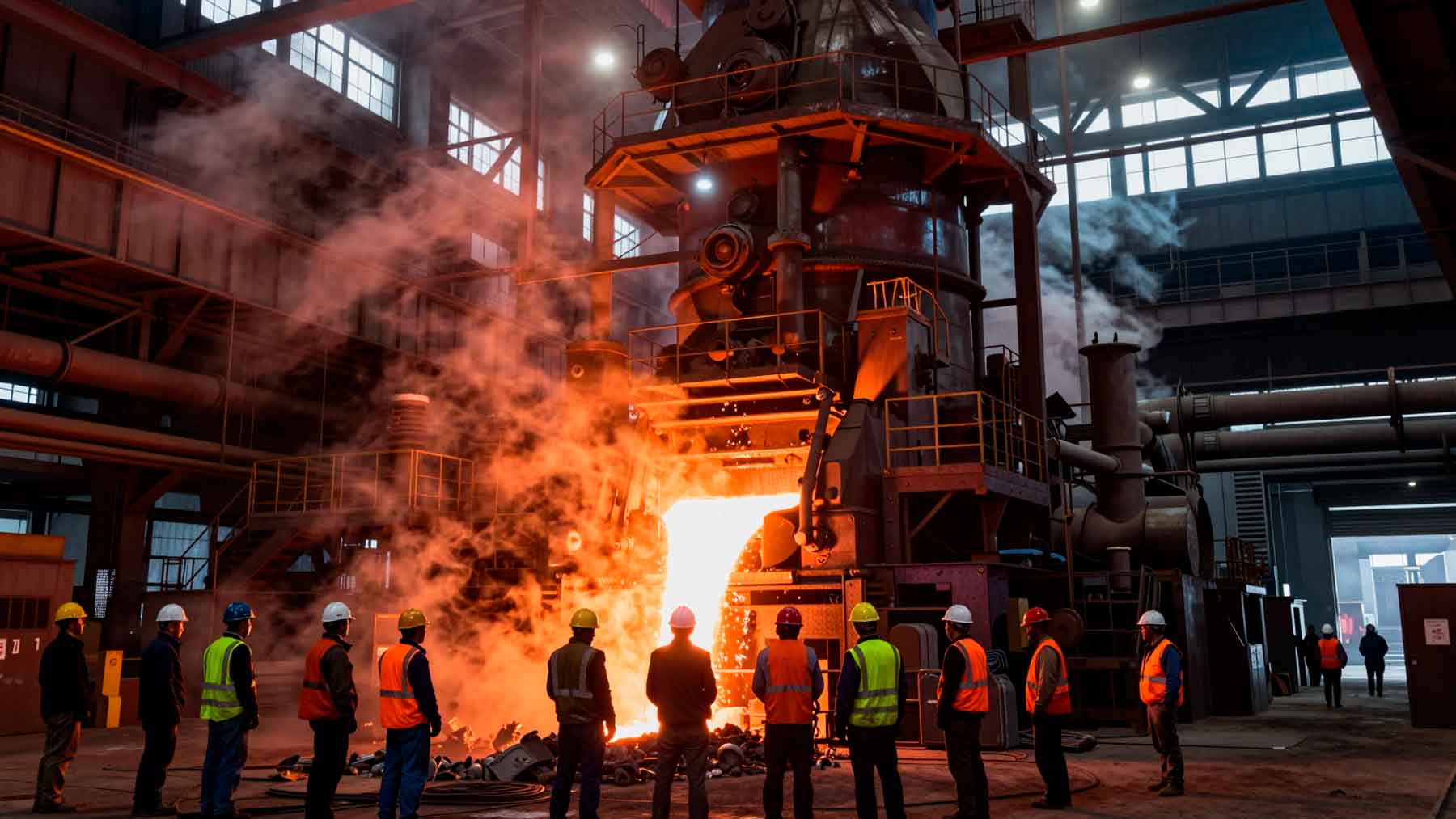 Image generated with artificial intelligence
The U.S. Department of Energy (DOE) dropped a $500 million award on August 21, 2026, for Cleveland-Cliffs’ Middletown Works facility in Middletown, Ohio. It’s half of a broader $1 billion investment in the plant. VP JD Vance and Energy Secretary Chris Wright showed up in person for the announcement—a sign the administration is treating this as a priority, not a formality. The goal: modernize steelmaking operations, protect 2,300 jobs, and shore up a supply chain that feeds the auto, appliance, and HVAC industries.
DOE announces $500 million grant for middletown works
The federal award covers half the total bill. Cleveland-Cliffs is putting in the other $500 million itself, making this a public-private partnership rather than a straight government check.
That both Vance and Wright flew to Ohio for the announcement says something. This isn’t being treated as a routine grant—the administration is framing it explicitly around protecting American manufacturing jobs and keeping Ohio’s industrial base in the game.
Funding a coal-fired blast furnace upgrade is a clear break from the clean-energy-first posture that shaped DOE investments under previous administrations.
Why the original project scope was abandoned
This investment has a backstory. Cleveland-Cliffs originally proposed a different project configuration, one that ultimately didn’t pencil out.
The sticking point was simple: customers weren’t willing to pay a premium for “green” steel. That market reality killed the original approach, whatever its environmental upside—a problem that has stalled similar projects across the industry. So instead of walking away from the federal funding entirely, Cleveland-Cliffs went back to DOE and worked out something more realistic. The revised plan upgrades the existing coal-fired blast furnace rather than replacing it, and captures blast furnace gas to turn it into a commercial product instead of waste.
What the investment will fund at the facility
The $1 billion covers several distinct upgrades. The main event is rebuilding and modernizing the plant’s coal-fired ironmaking furnace—the core of the whole operation.
AI systems will also be brought in to optimize how the furnace runs and reduce energy use. That’s not a shiny add-on. It means the plant runs smarter, which matters for long-term efficiency in ways that compound over time.
A new on-site facility will convert blast furnace gas into electricity. Instead of venting or flaring it, the plant captures it and puts it to work—less waste, more usable power. Further down the road, follow-on investments plan to turn other industrial byproducts into materials for concrete used in regional infrastructure, pushing the project’s impact well beyond the plant’s fence line.
Expected effects on domestic steel supply and industry
Middletown Works isn’t a small operation. It supplies steel to manufacturers across automotive, HVAC, appliances, and steel distribution—sectors that show up in everyday American life in ways most people don’t think about until something breaks.
Cleveland-Cliffs is already the largest flat-rolled steel producer in the U.S. Keeping Middletown Works competitive isn’t just a company issue; it matters for every downstream manufacturer depending on a reliable domestic source of high-purity steel. DOE framed the investment around cutting U.S. dependence on foreign steel. Assistant Secretary Audrey Robertson said the project would “reduce America’s dependence on foreign products and position key domestic industries for long-term competitiveness.”
Construction is expected to start within weeks of the August 21 announcement, meaning the economic impact on the local workforce could show up fast.
Background: Federal support for domestic manufacturing
This award lands squarely inside the Trump Administration’s push to reinvest in American industrial infrastructure. Secretary Wright called it part of “rebuilding America’s industrial base“—positioning DOE as a partner in industrial competitiveness rather than purely a clean energy agency.
That framing is a deliberate signal. Funding a coal-fired blast furnace upgrade is a clear break from the clean-energy-first posture that shaped DOE investments under previous administrations.
Steel carries real weight here. It’s considered a critical material for economic and national security alike, used in defense systems, infrastructure, and the manufacturing supply chains that hold the broader economy together. Federal support for domestic steel capacity has bipartisan precedent, even when the specific approach shifts by administration. The Middletown Works project also fits a wider federal effort to reshore manufacturing and address supply chain vulnerabilities the pandemic exposed—steel was no exception to those vulnerabilities.
Converting blast furnace gas into electricity
Here’s what this all adds up to. Department of Energy is putting in $500 million to match Cleveland-Cliffs’ own $500 million—a combined $1 billion in upgrades at the Middletown Works facility in Ohio. The money goes toward rebuilding the main ironmaking furnace, deploying AI for efficiency gains, converting blast furnace gas into electricity, and eventually turning byproducts into infrastructure materials.
The 2,300 jobs at the facility are the stated human stakes. Behind that number sits the broader question of domestic steel supply for automakers, HVAC manufacturers, and appliance producers who need a steady American-made source.
Construction starts soon. The administration is holding this one up as a flagship example of its industrial policy in action.
Kelly is an experienced writer with 15 years of experience exploring the big stories that shape our world, from tech breakthroughs and space exploration to climate, energy, and the fascinating quirks of science. She has a talent for turning complex ideas into sharp, memorable insights that stay with readers long after they’ve finished reading.
