
Sonar tracks 2026 Baker River sockeye taking about seven days to reach fish trap
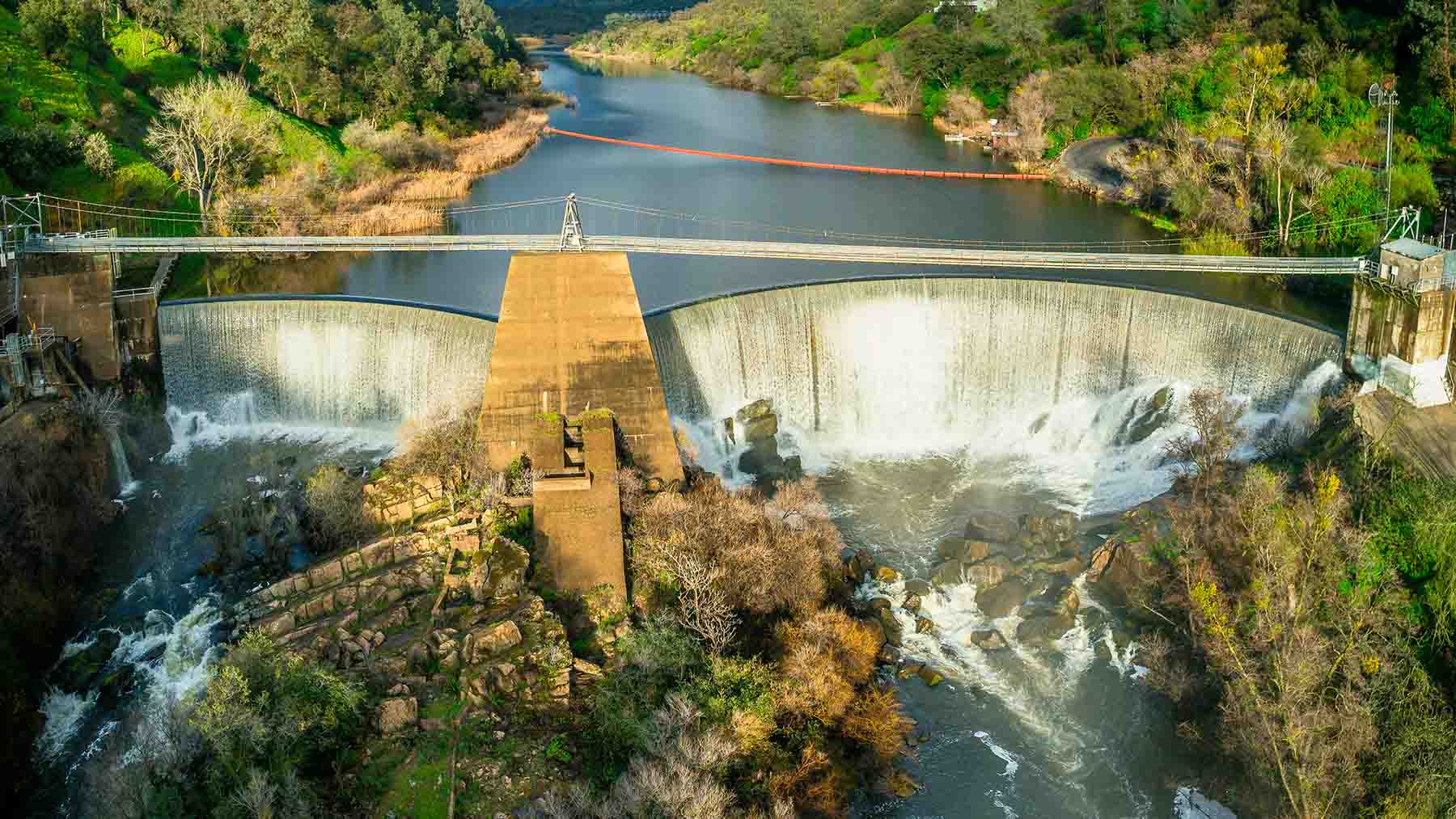
Native fish can be conserved by using special intervention methods at hydropower facilities.
Dams have played a major role in shaping and growing the United States’ economy.
Today, these facilities also provide essential baseload carbon-free power to keep electric grids stable.
Atmospheric shifts are altering historic weather patterns. As a result, several regions are experiencing prolonged dry spells and shifting rainfall.
But dam infrastructure has altered natural river systems, impacting local wildlife species and causing declining population numbers.
Will innovative mitigation approaches that assist in migration help protect local biodiversity?
How hydropower has helped to build the America of today
The first use of water for commercial power generation dates back over a century.
The United States became the first nation to open a central hydroelectric plant.
This plant led to the start of hydropower in 1882 and was located in Appleton, Wisconsin.
After a few years, this power source was responsible for supplying more than 40 percent of the U.S.’s electricity.
However, it was not until the 1930s and 1940s that major federal investments and iconic projects changed regional economies.
Some of these projects included the Tennessee Valley Authority and Hoover Dam, which supported industrial expansion.
These plants remain vital to modern society even today, as they address both rising energy demands and climate change.
Hydropower currently produces approximately six percent of America’s large-scale electricity. It also accounts for more than 20 percent of renewable generation.
Its role in supplying baseload, reliable clean power is crucial, as it stabilizes modern electrical grids.
Facing the realities of climate change and environmental impacts
Despite its fundamental role in national power supplies, the hydropower sector has been experiencing strain.
As climate change accelerates amid unprecedented emissions, the sector faces growing bottlenecks.
Atmospheric shifts are altering historic weather patterns. As a result, several regions are experiencing prolonged dry spells and shifting rainfall.
These changes are reducing reliable water availability, with several states facing diminishing reservoir levels.
This inevitably lowers total power generation right when national energy demand rises.
Unfortunately, reduced water volumes and unpredictable flows are intensifying the operational ecological strain on river ecosystems.
Higher water temperatures and low river flows concentrate pollution, change natural thermal dynamics, and disrupt native fish habitats.
These stressors exacerbate dams’ historical environmental impacts.
Consequently, mitigation and migratory support have become more crucial than ever.
The Washington Department of Fish & Wildlife has become essential by playing a central role in addressing these challenges.
It helps oversee habitat restoration initiatives to ensure native species’ survival alongside hydropower infrastructure.
The Baker River native fish conservation initiative
Salmon species native to Washington include the Sockeye and Coho salmon, which migrate through the Baker River system.

To ensure stable populations despite hydropower dams, innovative methods had to be used.
Fish ladders have become a standard approach, but the Lower and Upper Baker dams are too high.
These two dams initially blocked fish migration until Puget Sound Energy successfully countered it with a trap-and-haul program.
The program saves the native salmon by safely transporting them past artificial barriers.
Using advanced engineering and dedicated facilities for conservation
Floating surface collectors capture out-migrating juveniles from the reservoirs.
Returning adult salmon are captured with an advanced upstream fish trap.
Specialized water tankers then move the salmon around the dams, acting as “fish taxis.”
Recent data indicate that adult Sockeye returning numbers have reached nearly 93,000.
The species neared extinction in the mid-1980s, as numbers plummeted to 99. This major surge in the population proves the success of the program.
The Baker River and its mitigation efforts serve as a vital blueprint for similar hydropower facilities across the United States.
By integrating advanced tracking technology with trap-and-haul systems, fish conservation can be increased.
Ultimately, ecosystem-specific mitigation is key to protecting river biodiversity while maintaining grid stability.
Anke Maree is a writer with a clear and engaging editorial style. Her work focuses on making complex topics accessible, informative, and relevant for readers across different areas of interest.
