
A century after coal mining in Minonk, Illinois, 16,950 solar panels now generate 9.8 MW above the site
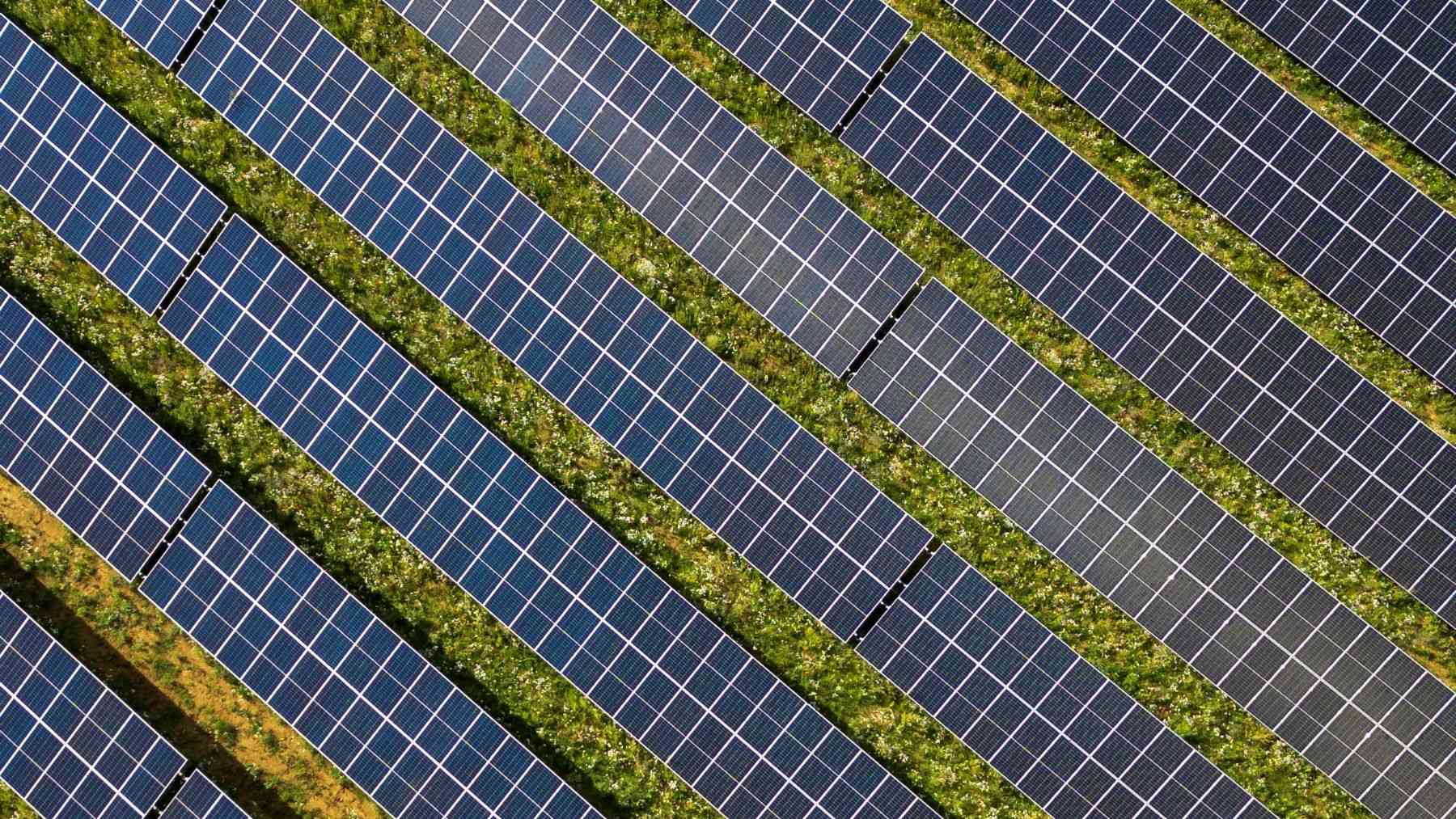
Forty acres of reclaimed earth sit quietly in Woodford County, Illinois, where the ground still holds the faint outline of a coal seam worked by generations of miners in the late 1800s and early 1900s. For roughly 75 years, this stretch of land near Minonk fed the region’s appetite for energy — then fell silent.
Now it’s giving again.
A mine that powered a region for three generations
The Colchester Coal Seam runs beneath much of central Illinois. For roughly 75 years, it was Minonk’s reason for being. Miners worked the seam from the late 1800s into the early 1900s, pulling coal that heated homes, fired factories, and kept the regional economy moving. In Woodford County, coal wasn’t just a commodity — it was identity. The mine shaped where families settled, what work they did, and how they understood their place in Illinois’s larger story.
Both arrays are among the first community solar facilities in ComEd’s entire system to incorporate Distributed Energy Resource Management Systems, or DERMS.
When mining ended, the land didn’t bounce back. It became what planners call a brownfield — disturbed ground, left dormant, carrying the physical and economic weight of an industry that had moved on. For a community built around energy production, that silence had its own meaning. The question wasn’t whether Minonk could adapt. It was what adaptation would actually look like.
From brownfield to solar field: How the transformation happened
The answer came through a partnership between TurningPoint Energy, which developed the project, and Nexamp, which built, owns, and operates the two solar arrays — marking the first collaboration between the two companies in Illinois.
The site earned certified brownfield status under the Illinois Shines program, a designation that grants credit for returning previously disturbed land to productive use. That certification mattered both practically and symbolically, acknowledging the land’s history while creating a policy pathway for its future. The projects are also the first Illinois Shines community solar development in all of Woodford County.
Across roughly 40 acres, 16,950 U.S.-manufactured solar modules now generate a combined 9.8 MW DC of capacity, split across two arrays feeding directly into the ComEd grid. Domestic modules were specified deliberately — a signal that the supply chain supporting this transition would itself be rooted in American manufacturing.
Who the solar energy actually reaches — and why that matters
More than 650 unique subscribers are enrolled across both projects, and they’re nearly fully subscribed. That’s a sign of genuine local and regional demand for shared renewable energy — not a niche product, but something people actually sought out.
The two arrays serve distinct purposes. One delivers electricity to approximately 450 residential customers; the second dedicates its capacity to around 200 low-income residential subscribers, expanding access to clean energy savings for households that have historically been left out of the solar economy. Community solar’s promise has always been that you don’t need a rooftop or a large upfront investment to benefit from renewable power. This project takes that promise seriously.
Two institutional anchor subscribers — Rush University Medical Center and the College of DuPage — together account for 40 percent of the combined projects’ total energy offtake, as reported by TurningPoint Energy. That anchor structure provides the financial stability needed to extend access to smaller residential and low-income participants. Ian Hughes, Director of Environmental Sustainability at Rush, framed his institution’s participation directly: “Community solar is preventative medicine,” he said. “It reduces harmful emissions, improves the air quality in vulnerable communities, and moves us closer to the healthier, more sustainable future our patients deserve.”
A smarter grid hidden beneath the solar panels
Beyond the panels themselves, the Minonk projects carry a quieter innovation. Both arrays are among the first community solar facilities in ComEd’s entire system to incorporate Distributed Energy Resource Management Systems, or DERMS.
DERMS is software that monitors and manages distributed energy sources in real time. As more solar, wind, and storage assets connect to the grid, utilities need tools to balance supply and demand moment to moment — smoothing out variability and keeping power flowing reliably. It does that work at the project level, feeding information and control back to the broader grid.
Mark Baranek, Senior Vice President of Technical Services at ComEd, noted the significance: “We have been grateful to collaborate with Nexamp on one of the first projects on our system to use DERMS, which supports more flexible and efficient interconnection of community solar.” As Illinois continues scaling up renewable generation toward its 2050 goals, tools like DERMS will become less optional and more essential.
What Minonk’s transformation signals for Illinois — and beyond
Illinois has set a target of 100 percent renewable energy by 2050. Getting there will require more than building solar farms on open land — it’ll mean repurposing what fossil fuel infrastructure left behind. Minonk offers one template for how that can work.
Construction used prevailing-wage labor throughout, ensuring that skilled local workers shared directly in the economic benefits of the transition. That detail matters in communities where the shift away from fossil fuels has sometimes felt like loss without replacement — a door closing and nothing opening.
Minonk Mayor Russell Ruestman put it plainly: “For generations before us, this land represented our community’s role in powering Illinois with fossil fuels; today, it represents our role in powering Illinois with the clean energy of the future.”
Hundreds of communities across the U.S. have former coal sites sitting dormant, carrying old energy identities and uncertain futures. Minonk doesn’t resolve that uncertainty for all of them. But it does show that the same ground that once powered a region can do it again — differently, and perhaps more equitably. That’s worth sitting with.
Kelly is an experienced writer with 15 years of experience exploring the big stories that shape our world, from tech breakthroughs and space exploration to climate, energy, and the fascinating quirks of science. She has a talent for turning complex ideas into sharp, memorable insights that stay with readers long after they’ve finished reading.
