
New Mexico’s 3.65-GW SunZia boosted second-quarter US wind installations as turbine orders reached a three-year high
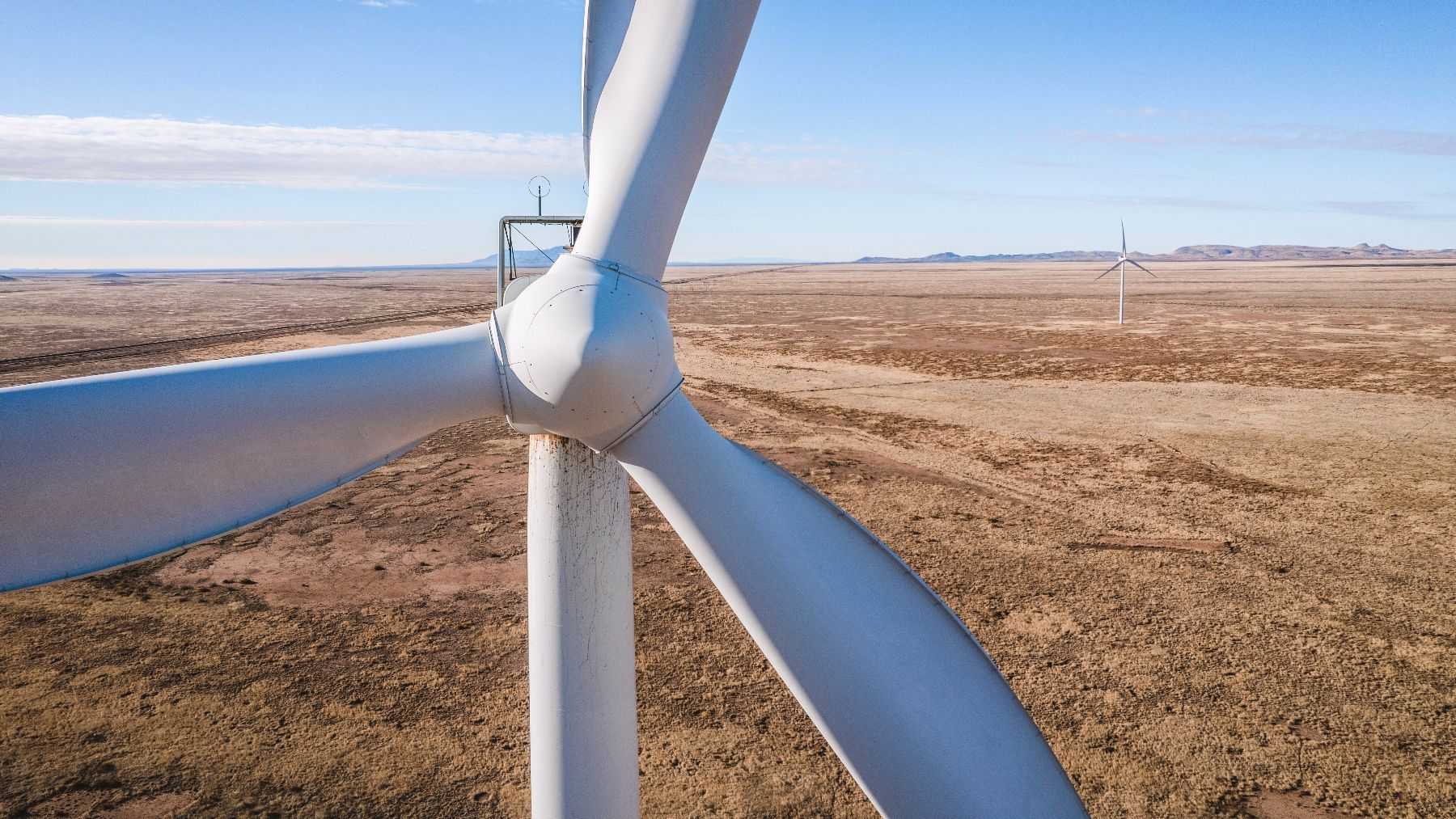
New Mexico’s massive SunZia facility has helped American wind turbine orders to reach a three-year high.
Accelerated turbine deployment is key to locking in federal tax incentives before policy windows close.
As installations surge across the nation, the industry still faces regulatory shifts.
This creates significant barriers for developers trying to lock in tax credits and secure equipment before the qualification window expires.
These potential policy changes could significantly alter the timeline of domestic buildout.
Will high-capacity infrastructure projects be completed on time to stabilize long-term growth across the U.S. power grid?
How the American grid has been buckling under rising pressure
The United States’ electricity consumption has reached record highs.
This is placing unprecedented strain on the national power grid.
Five-year peak load predictions have increased to 166 gigawatts.
This surge is driven by manufacturing growth, widespread electrification, and AI data centers.
Data centers will contribute more than 50% of the projected load increase.
This is because AI workloads, continuous server cooling, and cloud computing demand high-volume, uninterrupted baseload electricity.
Consequently, utilities must rush to expand power capacity to sustain system reliability and prevent catastrophic blackouts.
However, power providers simultaneously face intense regulatory pressure to curb greenhouse gas emissions.
Continuous reliance on legacy fossil fuel plants to bridge the growing power supply gap conflicts with this regulatory pressure.
These carbon-intensive plants accelerate climate-driven weather risks and environmental degradation.
To meet national decarbonization targets, the power sector must transition to zero-carbon alternatives like wind and solar energy.
But this shift has historically faced operational hurdles, requiring large-scale infrastructure solutions.
The challenges of policy shifts and tax credit deadlines
Wind power is a core pillar in meeting the U.S.’s massive energy demand sustainably.
The energy source generates scalable, carbon-free electricity, which can help close the domestic supply gap.
Yet evolving federal policies and regulatory shifts remain major challenges to the US wind industry.
Project development timelines are often changed due to permitting delays, regulatory framework changes, and shifting tax credit structures.
Federal clean energy tax incentives mandate start-of-construction and operational deadlines.
When policies shift unexpectedly, they directly threaten project eligibility and financial success.
This creates significant barriers for developers trying to lock in tax credits and secure equipment before the qualification window expires.
Consequently, it triggers a high-stakes race, forcing companies to fast-track procurement strategies.
Wood Mackenzie, an energy research firm, closely tracks these market dynamics.
More specifically, the firm follows turbine order spikes and analyzes execution rates across the wind industry.
Recently, it was determined that American turbine orders surged in the second quarter.
A boost in US wind turbine installations
Wood Mackenzie’s latest report revealed that wind turbine orders reached 2.8 gigawatts.
These American turbine procurement numbers mark a three-year high.
Order timelines were accelerated to secure equipment ahead of the strict federal tax credit deadlines.
During the quarter, the nation added 5 gigawatts of onshore wind capacity.
Pattern Energy’s SunZia Wind facility in New Mexico was a major catalyst in this order boom.
SunZia drove a three-year high in Q2 orders
The SunZia project is the largest clean energy infrastructure development in Western history.
It is rated at 3.65 gigawatts and links wind generation with a 550-mile high-voltage direct current transmission line.
This transports clean electricity directly to high-power-demand areas in Arizona and California.
Wood Mackenzie predicts the industry remains on track to add 39 gigawatts of capacity by the end of the decade.
More than 50% of the 2026-2028 project pipeline is either operating or under construction.
As a result, this pipeline will provide vital near-term stability despite the nation’s ongoing policy uncertainties.
To sustain long-term momentum amidst these policy changes, proactive action will be needed.
Streamlining interregional transmission permitting will lower backlog bottlenecks.
Stabilizing tax credit guidelines will also give developers multi-year certainty.
Regardless, America’s onshore wind future remains strong, for now.

Anke Maree is a writer with a clear and engaging editorial style. Her work focuses on making complex topics accessible, informative, and relevant for readers across different areas of interest.
