
Mice made a “memory switch” look easy: a hidden brain circuit just changed the rules
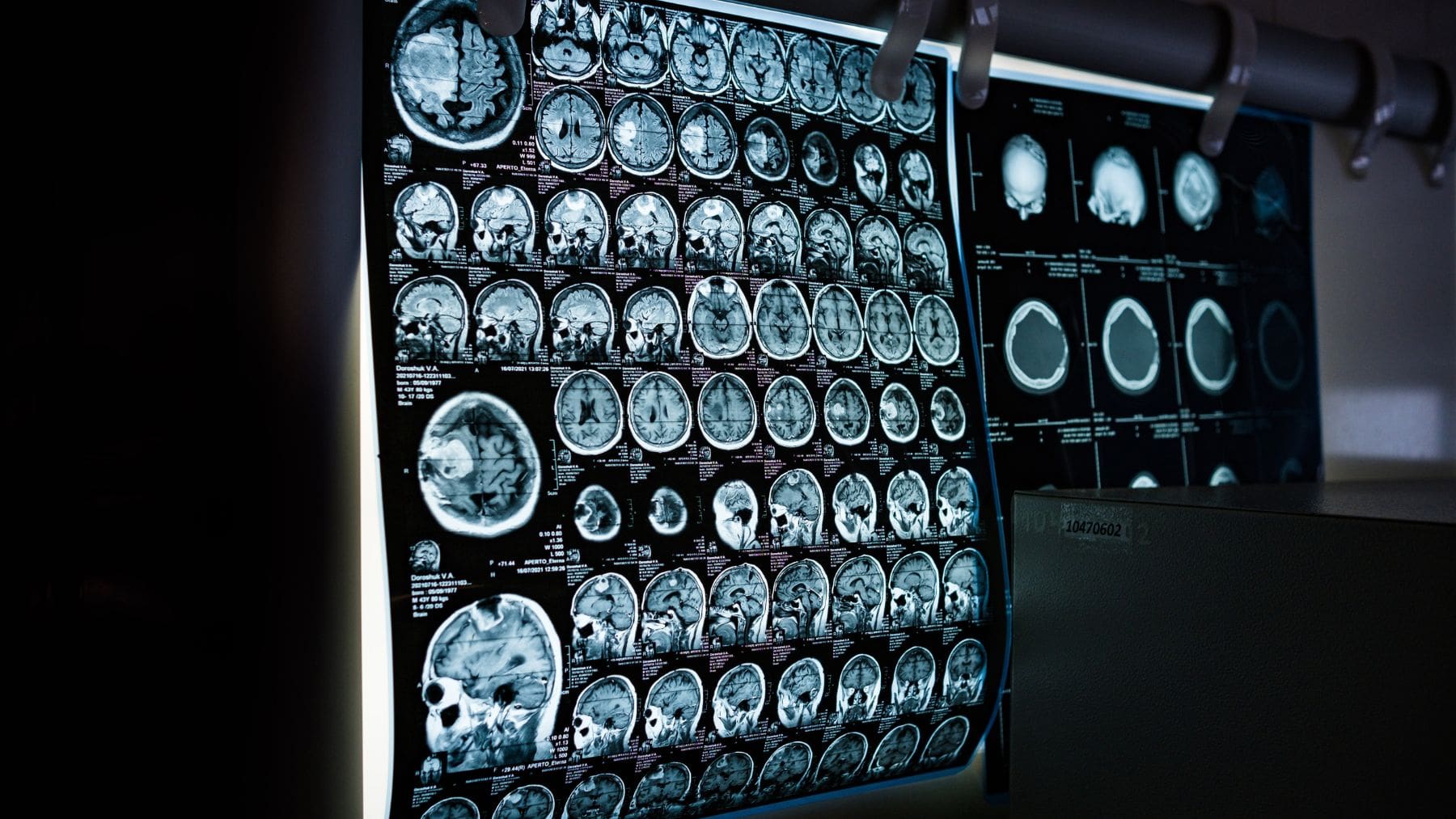
A mouse hears a tone, gets a tiny shock, and learns fast. For decades, that simple setup has helped scientists map fear and memory. Now a new set of brain recordings and circuit tests suggests there’s a surprisingly clean “switch” that helps decide when a fear memory shows up—and when it stays quiet: a specific hippocampus-to-amygdala pathway.
Fear learning has a familiar script
In the lab, “tone plus shock” becomes a tight link. Later, a tone alone can make a mouse freeze. It’s one of the most reliable behaviors in neuroscience, and it helped pin major roles on the amygdala (fear responses) and the hippocampus (context and memory).
But there has always been a snag. Sometimes the memory is clearly stored, yet the behavior doesn’t show up the same way. That gap—between having a memory and showing it—has been hard to pin down with a specific circuit.
this particular route helps decide when fear gets expressed.
Two brain regions that talk constantly
The hippocampus and amygdala are not strangers. They exchange signals during learning, sleep, and recall. The hippocampus can add “where and when” detail. The amygdala can turn that information into a body-ready fear response.
Scientists have long suspected that the exact wiring between them matters, not just the parts themselves. But proving it means recording activity while learning happens, then changing that wiring in a controlled way—without breaking everything else.
A pathway that toggles memory expression
In a study in Nature, researchers mapped and tested a direct line from the ventral hippocampus to the amygdala during fear learning and recall. They found that activity in this circuit tracks the animal’s fear state, and manipulating it can strongly change whether the fear memory is expressed as freezing.
In other words, the memory can still be there, but this pathway helps set whether it comes out as behavior. The work ties a specific connection to the “output mode” of fear memory, not just the storage of it.
That’s a big deal because it moves the story beyond “the amygdala does fear” and toward “this particular route helps decide when fear gets expressed.” The findings also help explain why fear behavior can vary so much between situations that seem similar from the outside.
Why this matters beyond the mouse box
If a circuit can bias whether fear memories show up, it hints at a route for more targeted treatments one day. Conditions like PTSD are not only about forming strong memories; they’re also about memories forcing themselves into the present.
This research does not mean a simple on/off button exists in people. Human brains are larger, more layered, and shaped by language and life history. But isolating a concrete circuit in mammals gives scientists a clearer place to look for related mechanisms in humans.
It also reframes a practical question: helping someone might not always mean “erase the memory.” It could mean shifting the brain away from a state where that memory automatically drives the body.

Carlos is an engineer with strong expertise in technical and industrial topics. He previously worked at international companies such as Siemens and is multilingual.
