
RWE deploys first offshore turbine using low-carbon steel tower at Thor wind project
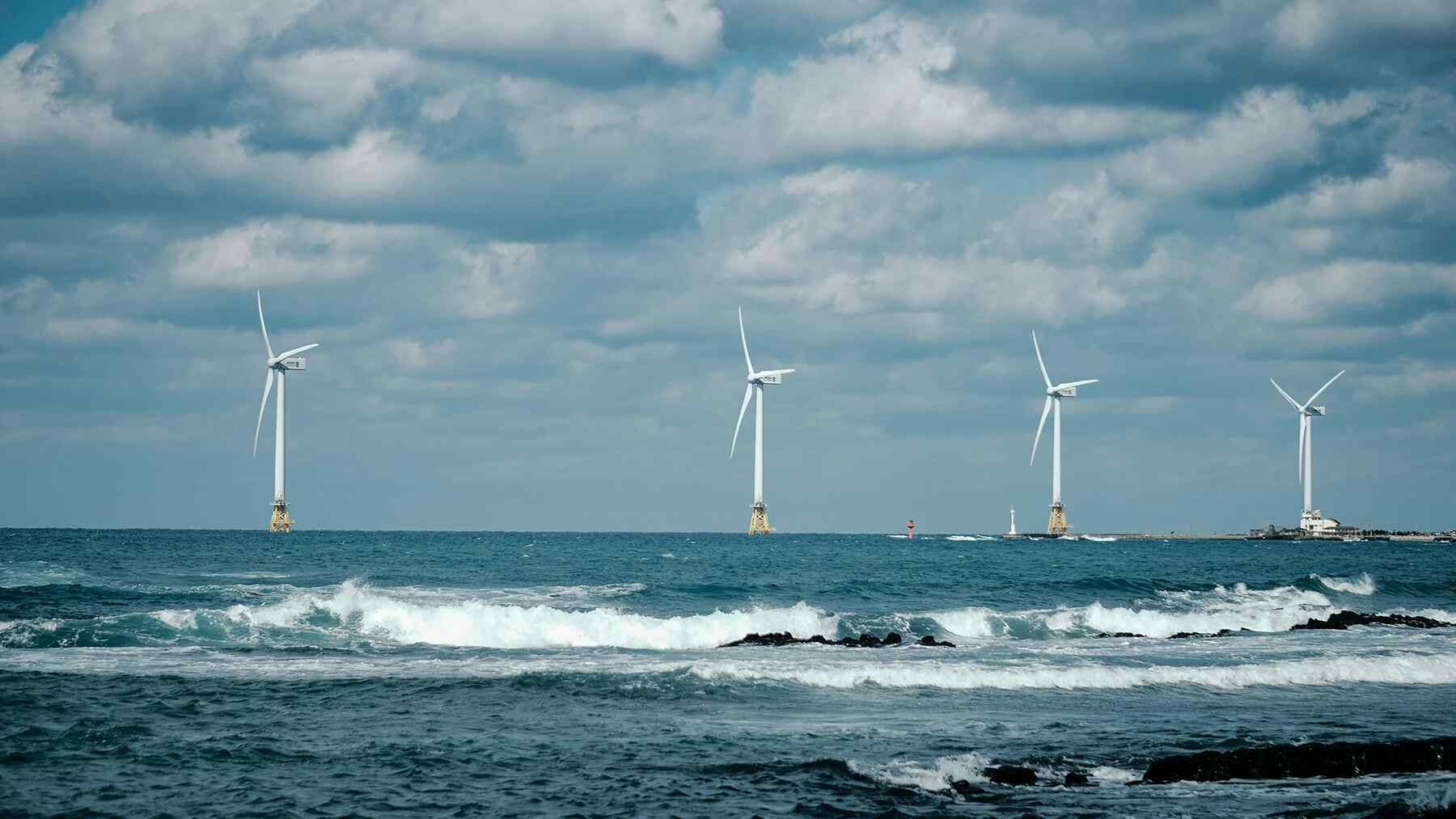
he company RWE deployed its first offshore turbine using a low-carbon steel tower at the Thor wind project located in Denmark. There have been a lot of conversations regarding the number of clean energy initiatives that have emerged from Germany. The nation is the outright leader in clean energy generation within Europe and is assuming the responsibility of representing the continent on a global scale. Interestingly, Germany is not just keeping all the resources or companies to itself, but it has shown a commitment to lifting other countries within Europe by assisting them in their pursuit of certain projects. T
Analyzing RWE’s strong activity in the 2026 wind energy landscape
There are some companies that have found themselves in the spotlight with regard to more than one initiative, and one of them is RWE. RWE has existed for over a century and is headquartered in Essen, Germany. Its longevity means that it is a well-known firm in the industry, as it has been a key contributor to a significant portion of Europe’s energy initiatives.
The entity deserves a tremendous amount of credit for having the ability to adapt and adopt contemporary energy generation strategies.
Because it has been a constant feature of Germany’s energy endeavors, RWE may receive certain privileges that newer entities do not, especially when it comes to overcoming the regulatory procedures. In a display of the company’s dedication to prolonging its success, RWE has marked a major milestone in offshore wind innovation with the installation of the world’s first turbine using a low-carbon steel tower at its Thor wind project in Denmark.
The achievement represents a growing industry push to reduce emissions not just from power generation, but from the materials used to build renewable infrastructure. The Thor project is located off Denmark’s west coast, and there are high expectations that it will become the country’s largest offshore wind farm.
Delving deeper into the specific features of RWE’s upcoming Thor wind project
The company has benefited massively from the introduction of technological innovation into the energy industry. Its newly installed turbine marks the first time that a commercial offshore unit has combined a low-carbon steel tower with recyclable rotor blades. This intricate innovation is part of the 1.1-gigawatt Thor offshore wind farm.
Construction is currently progressing with turbine installation ongoing. In the end, the project will consist of 72 turbines, each with a capacity of up to 15 megawatts, scheduled for installation by the end of 2026. When fully operational in 2027, Thor is expected to generate enough electricity to provide power for more than one million Danish households.
Assessing the expected impact of the Thor wind project on Europe’s wind sector
It is always interesting to hear from a company’s representative as to what their overall intention was when pursuing a project. Sven Utermöhlen, who is the Chief Executive Officer of RWE Offshore Wind, stated the following:
“At RWE, our ambition is to go even further. By using towers produced with greener steel and recyclable rotor blades, we are further reducing the carbon footprint and taking a significant step towards fully circular offshore wind.”
A standout innovation of the initiative is the use of green steel for turbine towers. The towers are produced using processes that reduce carbon emissions by at least 63% compared to traditional steel manufacturing.
A general overview of the technological features in the Thor wind projects
At Thor, 36 of the 72 turbines will use low-carbon steel towers, which is the first large-scale deployment of the technology. RWE is also integrating recyclable rotor blades, which addresses a sustainability challenge in the wind industry. Turbine blades have proven to be difficult to recycle because of their composite materials. Still, the new design allows materials to be separated and reused at the end of their lifecycle.
RWE incorporated low-carbon materials into its first installed turbine. This is a significant step that unveils how emissions can be reduced across the entire lifecycle of renewable energy infrastructure.
Prince is a versatile writer focused on energy, automotive, environmental, and general news topics. He makes complex technical and policy issues clear, engaging, and accessible for a broad audience.
