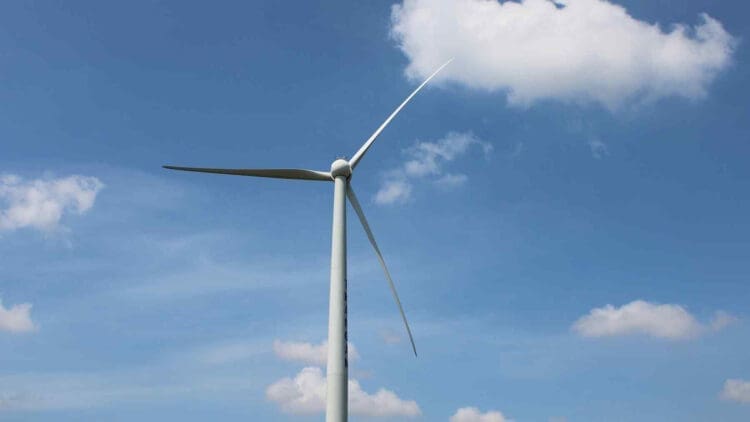

While companies play an essential part in the materialization of energy initiatives, it is equally important to acknowledge the role played by the Department of Energy in approving projects and encouraging developers to invest millions into facilities. As the United States wind energy sector is going through a period of uncertainty, the Department of Energy is not slowing down as it is preparing for how future projects should look. It was recently unveiled that the DOE broadened research efforts focused on advanced materials for next-generation wind turbines.
The Department of Energy continues to elevate the United States’ transition
The United States, like every other nation in the world, has clean energy ambitions that it hopes to achieve within the expected timespan. The Department of Energy has been integral and will continue to play a pivotal role in the direction that developers take in establishing energy facilities.
The reason why the United States has been a constant pioneer in the energy industry is that it has a unique ability to predict where the industry is going and perfectly position itself for when the period of high energy demand arrives.

In the latest display of this, the U.S. Department of Energy (DOE) is expanding its push to develop the next generation of wind turbines, with a more intentional focus on advanced materials that can make turbines larger, lighter, and more efficient. As wind power continues to play an essential role in America’s clean energy transition, material innovation is becoming just as important as aerodynamic design.
Analyzing the emergence of next-generation turbines in the wind energy sector
While the U.S. has benefited from foreign turbine manufacturers establishing facilities and providing turbines, the nation is still intent on having local representation in the wind energy sector. From lightweight composites to rare-earth alternatives, DOE’s latest funding initiatives aim to address some of the wind industry’s most concerning technical and supply-chain challenges.
The overall objective of the department is clear, and it is to build stronger, more affordable turbines capable of generating more power onshore and offshore. The DOE has increasingly become enlightened that the future of wind energy relies on breakthroughs in materials science. Modern turbines are quickly growing in size, with offshore models now reaching over 15 megawatts and requiring features that are both extremely resilient and amazingly light in weight.
In order to achieve its ambitious objectives, the DOE has launched multiple funding programs focusing on composite materials, advanced manufacturing techniques, and drivetrain innovations. One standout initiative allocated $30 million to improve the production potential and performance of composite materials used in large wind turbine blades and other crucial components. These are all materials that often combine polymers with reinforcing fibers and have the ability to reduce weight while amplifying durability.
Breaking down the importance of the DOE’s focus on materials science
Lighter blades and nacelle components lower transportation and installation costs. Additionally, they allow larger rotor diameters, which give turbines the capability to capture more energy from lower wind speeds. Ultimately, this enhances capacity factors and reduces the levelized cost of electricity.
The DOE is not just focused on blades but has shown a willingness to invest heavily in next-generation generators and drivetrain systems. Through its Advanced Next-Generation, High-Efficiency, Lightweight Wind Turbine Generator program, the agency is supporting the development of lighter, more efficient systems that lessen reliance on rare earth materials.
By progressing alternative generator designs, DOE aims to improve energy security while reducing costs and boosting domestic manufacturing capabilities.
Looking ahead: How essential will the DOE be in future energy initiatives
The projects funded under this program are centered on designing, fabricating, and testing multi-megawatt prototype drivetrains that can support turbines well beyond the 10-megawatt ceiling. The resulting systems are expected to lower nacelle mass, reduce maintenance costs, and enhance overall turbine dependability.
The DOE’s materials strategy goes past just laboratory research. Instead, it also aims to strengthen the U.S. wind supply chain. The U.S. is benefiting massively from its advanced innovation.
Prince is a versatile writer focused on energy, automotive, environmental, and general news topics. He makes complex technical and policy issues clear, engaging, and accessible for a broad audience.