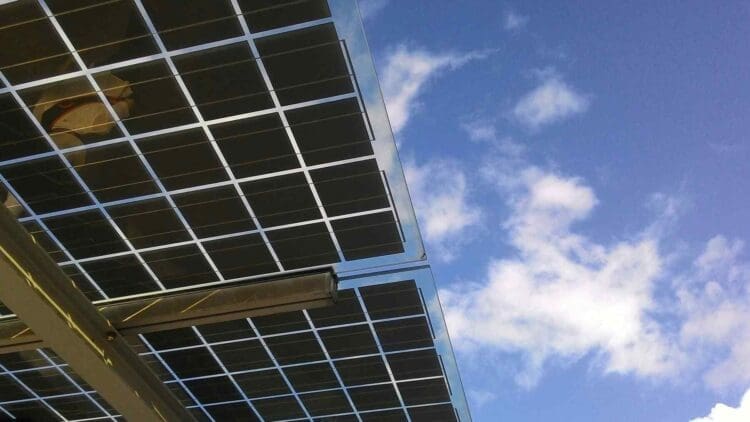

The United States’ solar energy landscape continues to prosper with the continuous projects that are being approved. For a long time, solar energy facilities faced criticism because they are prone to intermittency issues. Still, technological innovation and scientific expertise have made it possible for developers to address this long-standing issue. While companies deserve a tremendous amount of credit for the initiatives that they have brought to the United States, it is important to remember that none of them would have materialized without the energy department. As of late, the DOE showcased emerging solar technology breakthroughs through the American-Made Solar Prize initiative.
A general overview of the American solar energy landscape as of 2026
America has been and continues to be among the biggest solar energy-producing countries in the world, which is a testament to the nation’s commitment to the clean energy transition and willingness to invest millions for the sake of energy. The U.S. solar landscape is experiencing rapid growth with projections suggesting that solar could be responsible for 30% of U.S. electricity generation by 2030.
If this prediction comes to fruition, then the United States would have achieved part of its clean energy objectives just from solar. According to reports, Texas and California are the leading solar energy-producing states in the country. Amazingly, the U.S. exceeded 50 GW of domestic solar module production capacity.




The U.S. Department of Energy (DOE) is accelerating the next generation of solar innovation through its American-Made Solar Prize. This is a flagship competition designed to turn promising ideas into market-ready technologies. Since its launch in 2018, the initiative has become one of the nation’s most effective tools for advancing solar entrepreneurship.
Analyzing the importance of the American-Made Solar Prize initiative to the sector
The European continent has done a great job at incentivizing developers to pursue hydrogen initiatives through hosting big meetings where people can meet and collaborate. The United States has also achieved this in relation to solar energy generation through this initiative, which connects innovators with funding, technical expertise, and industry partners.
The program is helping to transform breakthrough concepts into commercial solutions. This ranges from advanced materials to AI-powered deployment systems. The Solar Prize is heavily influencing the future of clean energy in America.
It is based upon an understanding that for the nation to meet all of its objectives, various entities and branches will have to effectively collaborate. The American-Made Solar Prize was created to enhance U.S. leadership in solar manufacturing and technology development. The United States understands that it is a pioneer in solar generation and is intent on maintaining that position.
Breaking down the specifics of the solar development program and how it is run
The National Renewable Energy Laboratory administers the competition on behalf of the U.S. Department of Energy. It provides entrepreneurs, researchers, startups, and students with a structured route to bring new solar solutions to market.
In some instances, people need convincing to invest millions of dollars into an energy facility, which is where the program becomes appropriate.
The way it functions is that participants will advance through three stages: Ready!, Set!, and Go!, with each phase offering larger financial awards, technical support, and access to national laboratory resources. The reason for this staged approach is that it reduces the timeline from prototype development to industry testing.
Looking ahead: How will the DOE’s influence on competition influence the future?
Thus far, the competition has produced a stream of innovations that seek to solve some of solar energy’s biggest challenges. Recent finalists and winners are seeking to eliminate issues, starting from installation costs to panel efficiency and end-of-life recycling.
For instance, consider Gritt Robotics, which is developing autonomous construction systems that use robotics and artificial intelligence to accelerate utility-scale solar deployment. The technology could significantly reduce installation times.
The American-Made Solar Prize displays how targeted federal support can unlock private-sector innovation. Through uniting competition, partnerships, and commercialization, the DOE is breaking all limitations with solar technologies.
Prince is a versatile writer focused on energy, automotive, environmental, and general news topics. He makes complex technical and policy issues clear, engaging, and accessible for a broad audience.