
EPA proposes to revise 2014 federal rule that would have closed Wyoming’s Dave Johnston Unit 3 coal plant by 2027
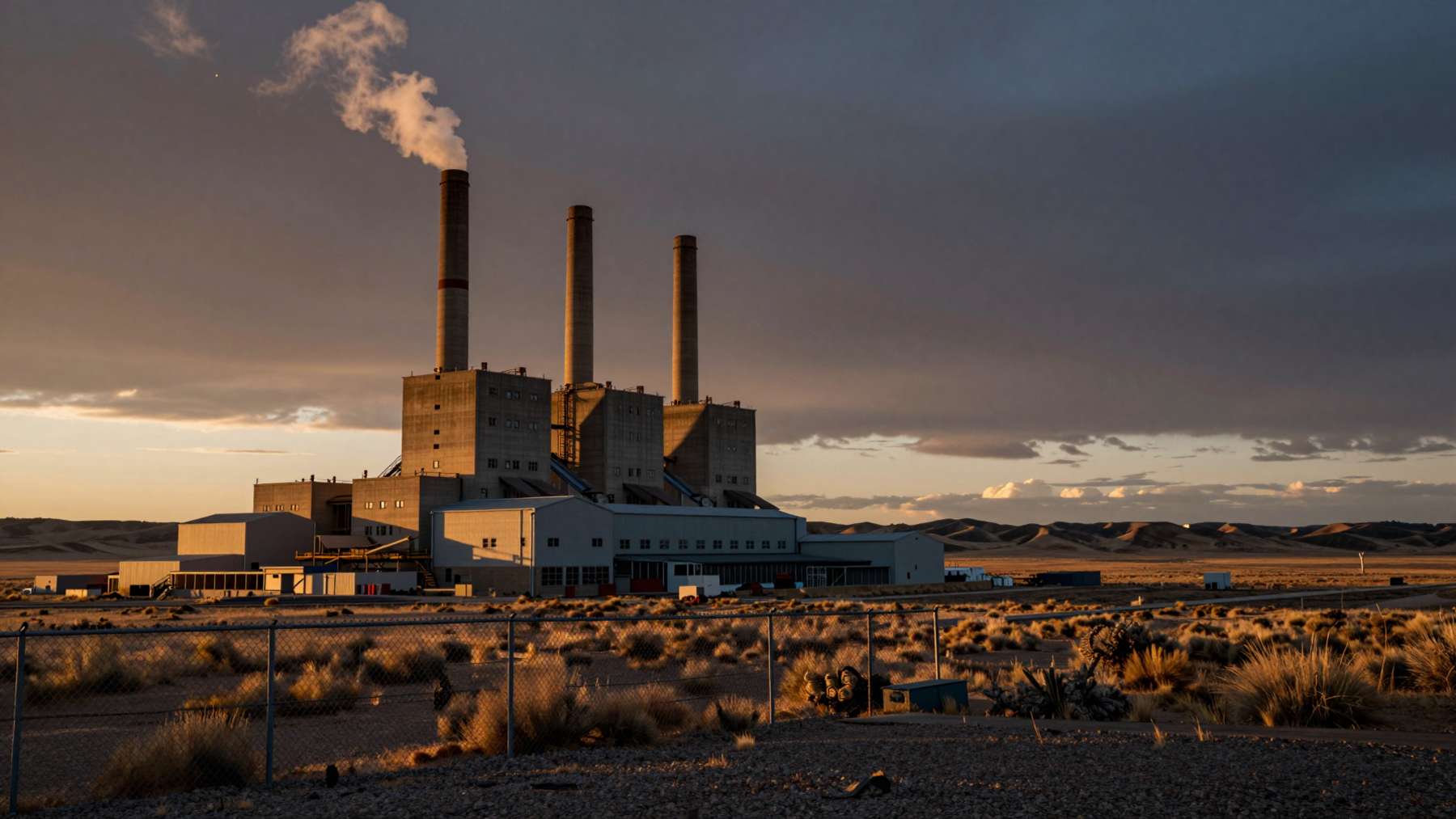 AI-made
The U.S. EPA has proposed revising a 2014 Obama-era Federal Implementation Plan that would have forced the closure of PacifiCorp’s Dave Johnston Unit 3 coal-fired power plant in Converse County, Wyoming, by the end of 2027. EPA Administrator Lee Zeldin made the announcement at the White House alongside President Trump, Cabinet secretaries, and Wyoming elected officials during a broader event focused on coal energy policy.
EPA Announces Proposal to Remove Plant Closure Requirement
The proposed revision targets the 2014 Wyoming regional haze Federal Implementation Plan, which the Obama EPA issued after disapproving Wyoming’s own State Implementation Plan. Under that FIP, Dave Johnston Unit 3 faced a hard closure deadline of December 31, 2027.
If finalized, the new proposal removes that closure provision entirely and replaces the Obama-era emission limits with the standards the plant currently operates under. EPA says it does not expect overall emissions to increase.
Wyoming officials have long argued that coal-fired plants like Dave Johnston provide grid stability that intermittent energy sources cannot replicate on their own.
The announcement brought together EPA Administrator Lee Zeldin, President Trump, Secretary of the Interior Doug Burgum, Secretary of Energy Chris Wright, Wyoming Governor Mark Gordon, and other elected officials. The White House event was framed around a broader coal energy policy message.
Why the Closure Provision Was Originally Put in Place
The 2014 FIP was not designed as a standalone closure order — it emerged from a standard Clean Air Act process. Under that law, each state must develop a State Implementation Plan to meet air quality requirements, including visibility protection. When EPA finds a state’s SIP incomplete or unapprovable, it steps in with a Federal Implementation Plan of its own.
On January 30, 2014, the Obama EPA disapproved Wyoming’s regional haze SIP and promulgated emission and compliance requirements that the current EPA now characterizes as unattainable. Those requirements effectively set the plant on a path toward closure by the end of 2027.
Regional haze rules exist to ensure reasonable progress toward natural visibility conditions in Class I areas, a category that includes national parks and wilderness areas. The intent is long-term visibility improvement, not necessarily plant closure. The Trump EPA’s position is that the 2014 requirements went beyond what the law actually demanded.
PacifiCorp Withdraws Closure Consent Amid Rising Demand Projections
PacifiCorp, the plant’s operator, had previously consented to the closure timeline — then reversed that position on March 4, 2026, citing projected increases in electricity demand across its service territory.
Senator Cynthia Lummis cited EPA’s own scientific analysis as evidence that shutting down Unit 3 was never required to meet Clean Air Act standards. She argued the Biden administration had been aware of that conclusion but allowed the closure deadline to stand regardless.
The Trump EPA has framed the revised proposal as a correction of what it calls an unattainable standard imposed by the prior administration. The agency says the proposal reflects real-world data and measurable outcomes rather than a predetermined policy direction against fossil fuels. Before any final rule is issued, EPA will open a 45-day public comment period, giving utilities, state agencies, environmental groups, and the public an opportunity to submit formal input.
Economic and Energy Context for Dave Johnston Unit 3
The plant burns locally mined Wyoming coal. State and federal officials point to it as a source of hundreds of direct and indirect jobs in the mining and energy sectors. Governor Gordon described keeping the unit available as essential to preserving reliable baseload power as electricity demand continues to grow across the Rocky Mountain West.
Wyoming officials have long argued that coal-fired plants like Dave Johnston provide grid stability that intermittent energy sources cannot replicate on their own. That argument carries added weight as regional grid operators project rising power consumption in the years ahead. Several officials at the White House announcement linked the decision to what they described as an end to regulatory pressure on the coal industry.
EPA says it will continue working with Wyoming to identify next steps that support both energy reliability and full compliance with regional haze requirements under the Clean Air Act.
Grid Reliability Is Still a Focus
The EPA has proposed revising a 2014 Federal Implementation Plan that would have closed Dave Johnston Unit 3 by December 31, 2027. If finalized, the rule removes the closure deadline and substitutes current operating emission limits for the Obama-era standards. PacifiCorp withdrew its closure consent in March 2026, citing demand growth. EPA does not project an increase in overall emissions under the revised proposal. A 45-day public comment period will precede any final decision, and the agency says it remains committed to meeting regional haze requirements under the Clean Air Act while supporting grid reliability.

Carlos is an engineer with strong expertise in technical and industrial topics. He previously worked at international companies such as Siemens and is multilingual.
