
GE Vernova signs 100 MW wind turbine supply deal with Powerica for Gujarat farm, debuts 3.8 MW model in India
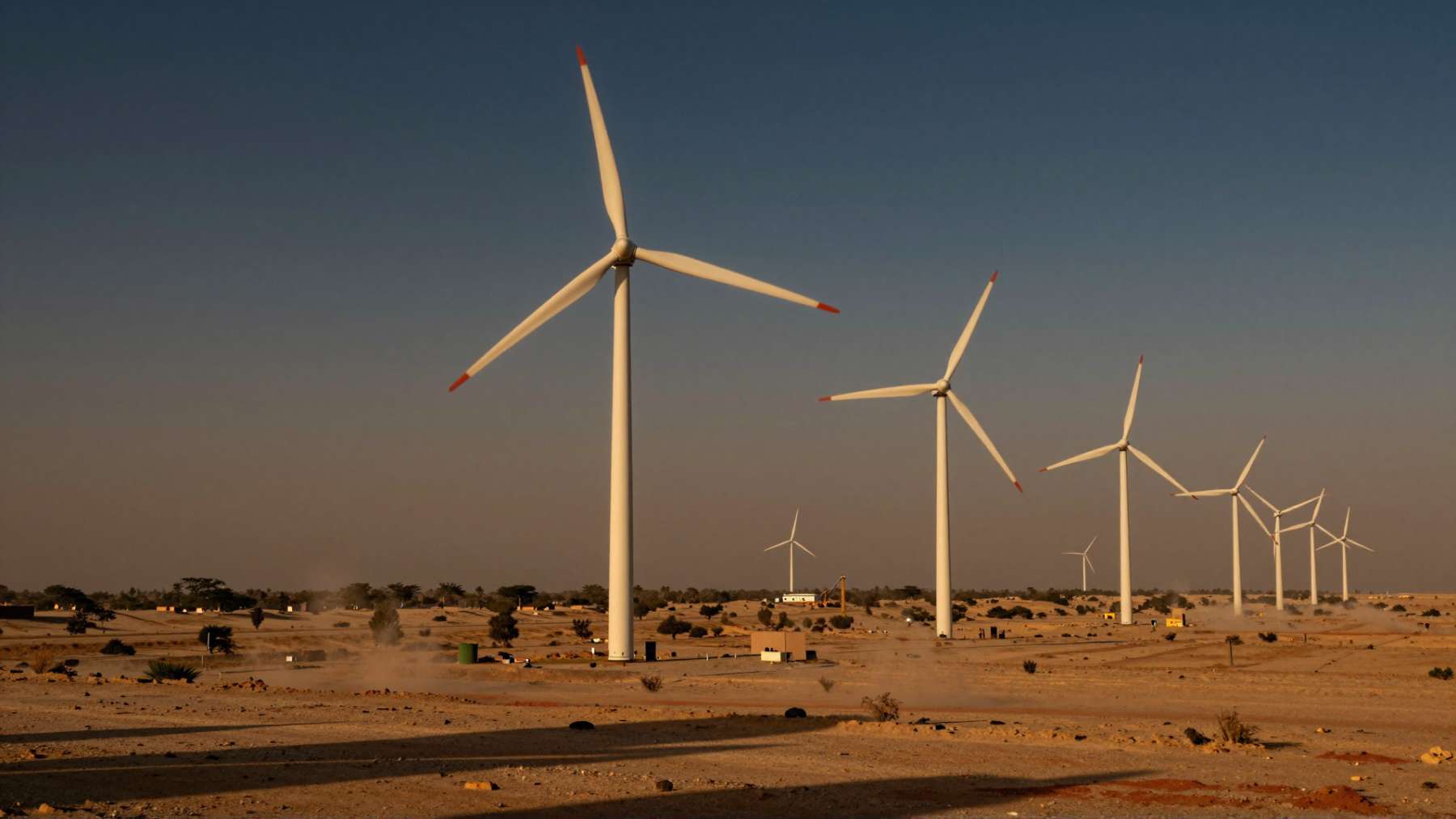 AI-made
GE Vernova has signed a supply agreement with Powerica Limited for 28 of its 3.8 MW–154m onshore wind turbines, powering a 100 MW project at the Botad Wind Farm in Gujarat, India. The deal marks the first commercial deployment of the 3.8 MW model in the Indian market — a turbine GE Vernova is positioning as its core workhorse for the country’s rapidly expanding wind sector.
GE Vernova and Powerica agree on 100 MW Gujarat wind farm
The Botad Wind Farm agreement covers both turbine supply and installation. Powerica secured the project’s Power Purchase Agreement through a competitive auction run by Gujarat Urja Vikas Nigam Limited (GUVNL), one of India’s key state-level energy procurement bodies. Deliveries are expected to begin in the fourth quarter of 2026.
This is not the first time the two companies have worked together. The Botad project is actually the fourth wind farm GE Vernova and Powerica have executed jointly in Gujarat — a relationship built and tested across multiple project cycles in the same state.
At full capacity, the Pune site can support up to 1,500 MW of annual production — enough to serve not just this project but a much broader pipeline of future orders.
Pradeep Gupta, Whole Time Director at Powerica Limited, described the debut of the 3.8 MW–154m turbine as making the collaboration “especially significant,” adding that the 100 MW project will strengthen the company’s independent power producer portfolio.
Why GE Vernova is introducing the 3.8 MW turbine in India now
India has set a target of 500 GW of non-fossil energy capacity by 2030, with 100 GW of that total expected to come from wind power. That ambition creates a large, sustained pipeline of procurement opportunities for turbine manufacturers operating in the country.
GE Vernova’s Wind business surpassed 5 GW of installed capacity in India in 2025. Introducing a new turbine model at this point is a logical move for a company competing in upcoming government-tendered rounds, and the 3.8 MW–154m was designed specifically for Indian wind conditions. Notable features include a 30-year turbine life and an AI-powered digital blade certification process applied to every blade produced — described as an industry first.
ALMM certification sits at the center of the timing here. India’s Ministry of New and Renewable Energy (MNRE) requires wind turbine original equipment manufacturers to appear on the Approved List of Models and Manufacturers before participating in government-tendered projects. GE Vernova announced its inclusion on that list alongside the Powerica deal, clearing a regulatory barrier that would otherwise limit its access to publicly procured capacity.
Impact on India’s renewable energy sector and local manufacturing
The Botad Wind Farm order will be fulfilled from GE Vernova’s manufacturing facility in Pune. At full capacity, the Pune site can support up to 1,500 MW of annual production — enough to serve not just this project but a much broader pipeline of future orders.
Local manufacturing carries weight beyond logistics. India’s renewable energy policy emphasizes domestic content requirements, and producing turbines within the country helps developers and manufacturers meet those obligations while reducing supply chain exposure. For Powerica, the project represents continued investment in Gujarat’s wind sector and a meaningful addition to its IPP portfolio. Gupta pointed to the company’s focus on “delivering meaningful impact in the renewable energy sector” through the collaboration.
GE Vernova’s broader footprint and turbine technology background
GE Vernova has operated in India for more than 100 years. Its in-country infrastructure extends beyond Pune to include a Technology Center in Bengaluru and a blade manufacturing facility in Vadodara — a footprint that supports both engineering development and large-scale production.
The 3.8 MW–154m turbine incorporates several technical features aimed at cutting deployment time and cost: a tubular steel tower design, a 650-tonne crane installation capability, advanced lightning protection, and fleet-leading service factors across major components targeting maximum uptime availability. All turbines produced in India use GE Vernova’s AI-powered digital blade certification process — the same system applied globally — reinforcing consistency between its Indian manufacturing output and international quality standards.
Globally, GE Vernova’s Wind business operates an installed base of approximately 59,000 turbines representing nearly 120 GW of capacity worldwide.
Key takeaways
The Botad Wind Farm deal carries weight on several fronts. It introduces a new turbine model to one of the world’s fastest-growing wind markets, backed by mandatory ALMM certification. Behind it sits an established manufacturing base in Pune capable of scaling to 1,500 MW annually, along with a four-project track record between GE Vernova and Powerica in Gujarat. With deliveries set to begin in Q4 2026, the project represents a concrete step in both companies’ strategies as India pushes toward its 2030 renewable energy targets.

Carlos is an engineer with strong expertise in technical and industrial topics. He previously worked at international companies such as Siemens and is multilingual.
