
A solar plant was designed as a biological shield until it began creating an oasis that attracted hawks and lizards
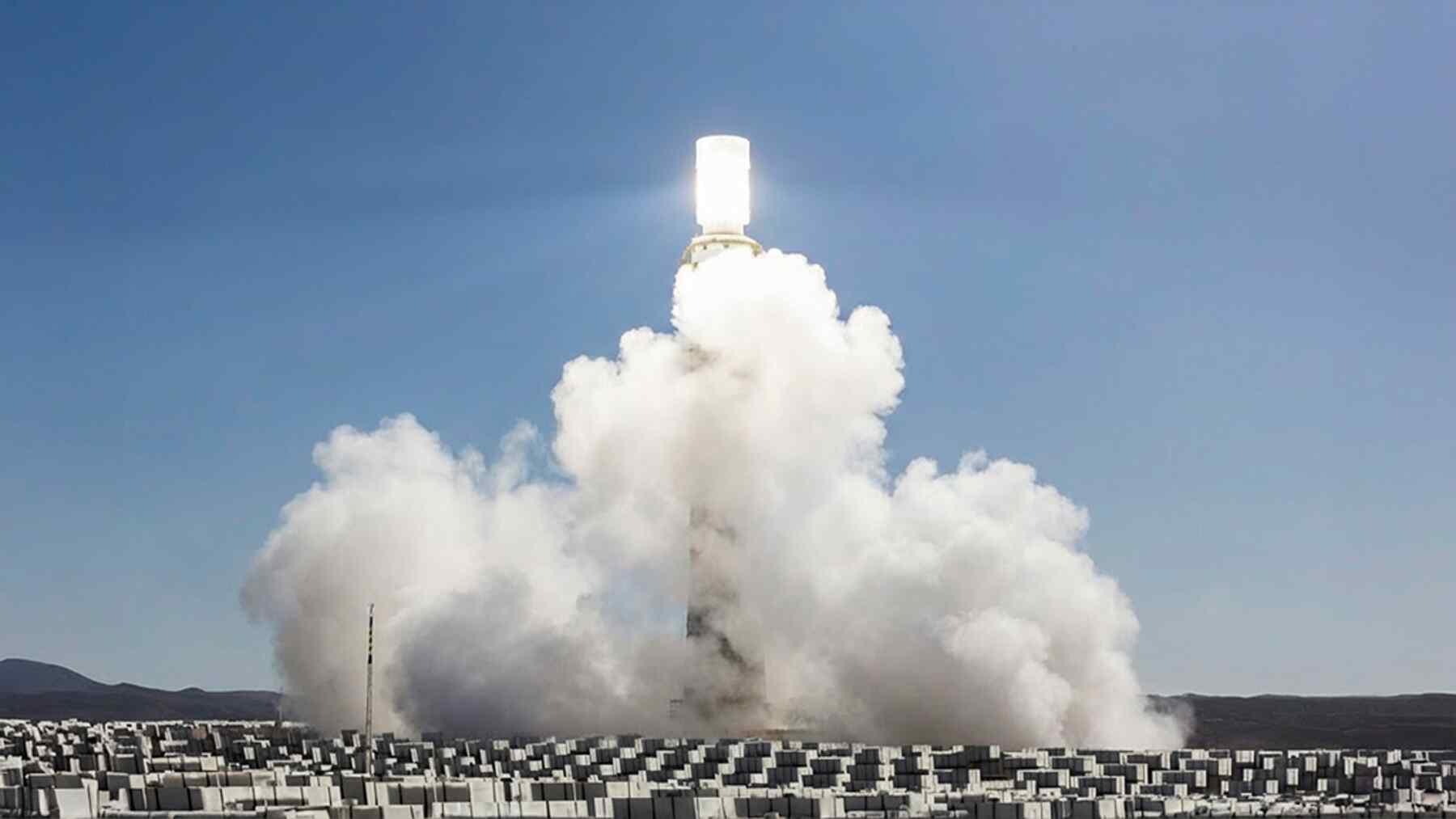 Credits: Energies Media internal edition
Sunny South Africa is getting its biggest hybrid solar plant, and it is attracting more than investment.
The Free State province’s wide expanse will host this giant plant’s glass and steel installation stretching toward the horizon.
Not only will it help diversify the country’s renewable energy portfolio, but it will also help decarbonize heavy industry.
This makes adopting renewable energy infrastructure imperative, especially if the country wants to adhere to international decarbonization standards.
But will this new infrastructure have a lasting effect on the site’s local inhabitants, changing the course of nature?
How going green is stabilizing the land of milk and honey’s energy future
South Africa has become a top-tier favorite for travelers. Its world-class wines, Big 5 safari experiences, and unique biodiversity are among the many reasons making it a hotspot.
With the surge of tourists and urban expansion, the national grid has become significantly strained.
This makes adopting renewable energy infrastructure imperative, especially if the country wants to adhere to international decarbonization standards.
Historically, the nation has always relied on the power of its coal and diesel-powered turbine fleet. However, geopolitical tensions and reliance on imports are making these sources costly and difficult to maintain.
Fortunately, South Africa’s renewable energy portfolio is becoming significantly diverse.
Utility-scale solar and wind projects have been established across the country, with even bigger ones in the pipeline.
However, concerns are rising about these projects’ potential environmental impact on one of the most biodiverse countries on Earth.
The high stakes of a “megadiverse” landscape
South Africa only occupies 2% of the planet’s land surface. Yet, it hosts approximately 10% of Earth’s plant species and 7% of its mammals, birds, and reptiles.
Only 17 countries in the world carry this distinction, which is why preservation is so crucial.
Many species are endemic to the country, making environmental impact studies carry significant weight.
Unfortunately, the true impact of some renewable energy projects only becomes clear after the infrastructure is operational.
Solar and wind energy are big in the rainbow nation, which increases the risks of habitat displacement and population loss.
But not all hidden impacts are negative.
It has recently been uncovered that honey production increases in proximity to wind turbines. For South Africa, increased pollinator activity can only be beneficial.
In the Free State, the hybrid solar and battery project has also brought new impacts to light.
The biological shield that evolved into an oasis
Solar panels have been hiding a symbiotic relationship with nature for a while.
However, the developers of the 740 MW Naos-1 Hybrid Solar and Battery Project had symbiosis in mind during the construction.
The giant project is located near Viljoenskroon in the Free State, which is home to many delicate inhabitants.
Development followed a “nature-first” philosophy, following several critical safeguards to create a “biological shield.”
An environmental framework’s mechanics of protection
Specialized teams conducted “search and rescue” sweeps to identify and relocate vulnerable, slow-moving species. This included lizards and tortoises, which were moved to adjacent, undisturbed habitats.
The developers opted for wildlife-friendly fencing to allow smaller animals to pass through the perimeter safely. This made the site part of the local ecological pathway.
Bird-friendly power line designs became central to the project to protect birds of prey. This minimized collision risks for birds such as hawks, which are common in the Free State skies.
By making animal protection a priority, the specialized infrastructure and relocation efforts soon turned the site into a thriving sanctuary.
The Naos-1 project, which forms part of SASOL’s decarbonization efforts, proves that industrial giants can double as ecological havens.
Hawks can continue to patrol the vast skies carefree, while lizards can flourish in the shaded microclimates. South Africa’s “oasis” proves that renewable energy innovations can leave biodiversity better than before.
Anke Maree is a writer with a clear and engaging editorial style. Her work focuses on making complex topics accessible, informative, and relevant for readers across different areas of interest.
