
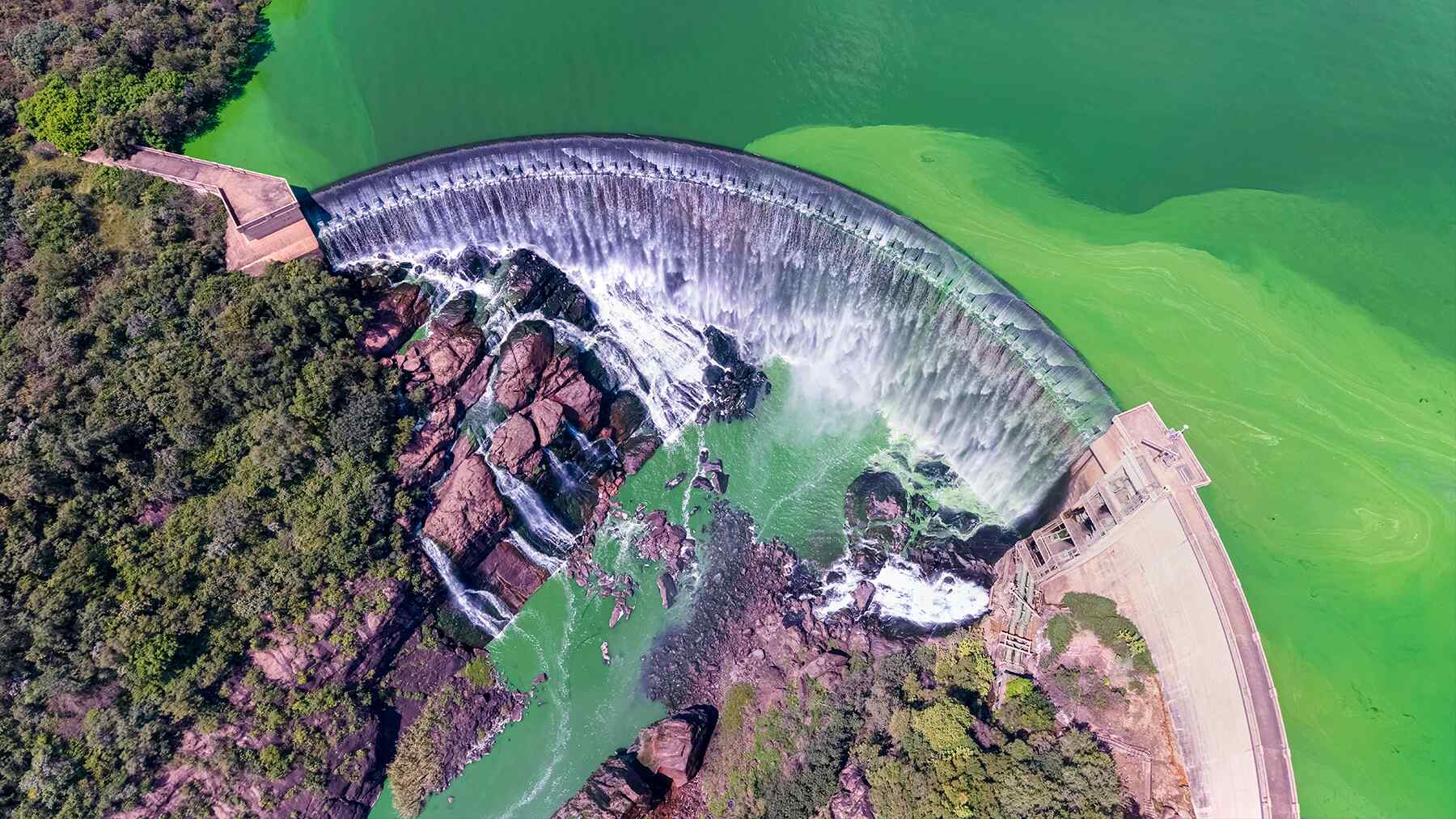
They built a hydroelectric dam in Chile, but the project stalled when archaeologists found something ancient beneath the land it was about to flood
 Credits: Energies Media internal edition
Chile was one step closer to a decarbonized grid when its hydroelectric expansion effort was halted.
The nation is actively working to achieve its climate goals and end a longstanding reliance on fossil fuel imports.
A state-owned energy giant planned on harnessing the clean power of a wild river. Excavation crews stumbled upon ancient history, and soon thereafter, profound conflict arose.
They claimed that minimizing the discovery of the burial site would prevent the Chilean National Monuments Council from halting construction.
Can green energy projects truly be sustainable if they erase ancestral heritage?
How Chile plans to end its fossil fuel era
Chile has endured a dependence on costly fossil fuel imports for decades.
Nearly 98% of its crude oil and more than 90% of its gas and coal are imported.
This has left the national grid vulnerable to the volatile international markets.
Additionally, almost 30% of the country’s electricity is still produced by fossil fuels.
The government implemented new policies to encourage renewable energy development.
The 2022 Framework Law on Climate Change legally mandates achieving carbon neutrality by 2050.
It furthermore required Chile to peak its total emissions by 2025 before declining.
This led to a significant expansion of green capacity over the last decade.
Solar and wind energy became integral to the nation’s climate goals. In the northern Atacama Desert, solar arrays flourished, and wind farms multiplied along the coast.
However, hydroelectric energy stood as the cornerstone of stabilizing the grid.
Unfortunately, rapid growth soon collided with local communities.
A critical green energy source at a critical time
Hydropower facilities in Latin America have skyrocketed, with regional capacity surpassing 200 GW.
In Chile, the total installed hydroelectricity capacity has grown to nearly 7,500 MW. It accounts for one-fifth of the country’s total baseload power supply.
For grid operators, these run-of-river installations and giant reservoirs are crucial assets.
Despite utility-scale solar and wind expansions, hydroelectricity is an essential complement to overcome their intermittency.
The goal is to phase out coal-fired power plants completely by 2040.
For this reason, international developers have been investing billions into the southern river basins.
At the center of Chile’s hydroelectric growth is Statkraft, Norway’s state-owned energy company.
One of its major projects in Chile includes the 52 MW Los Lagos project.
However, development on the Pilmaiquén River in Futawillimapu triggered major conflict with local communities and culture.
An ancient discovery brought hydroelectric growth to a halt
Excavation work unearthed ancient human remains and many archaeological artifacts.
The Mapuche-Williche communities accused Statkraft of negligence.
Leaders argued that the company dug straight into an ancestral indigenous cemetery and attempted to conceal the discovery.
They claimed that minimizing the discovery of the burial site would prevent the Chilean National Monuments Council from halting construction.
This shifted the green energy project into an act of cultural violence. Statkraft cited over 500 community meetings, but eventually agreed to international mediation.
Some argued it also violates the water rights of the Mapuche.
This is detailed in the study “Misunderstanding the Ngen Kintuantü: a study from the legal pluralism of water rights in the conflict around Statkraft’s hydroelectric power plants on the Pilmaiquén River, Futawillimapu, Chile” published in Taylor & Francis Online.
An interconnected sacred entity in cultural heritage
The Mapuche believe that the Pilmaiquén River is a living entity and the Ngen Kintuantü protects it.
By using the Western legal framework to evaluate the river, cultural traditions and beliefs were ignored.
Legally sanctioning the flooding of indigenous territory disregards unwritten traditional law.
Developing large-scale infrastructure such as these hydroelectric dams often leads to extremely complex consequences.
More often than not, it exposes the paradox of the global energy transition, as seen with the Pilmaiquén River collision.
It is not truly sustainable if a climate solution overrides indigenous rights and wipes out physical ancestry.
The global energy transition is far from over, which means developers must embrace management plans that protect cultural history.
Anke Maree is a writer with a clear and engaging editorial style. Her work focuses on making complex topics accessible, informative, and relevant for readers across different areas of interest.
