
J-POWER and Hazama Ando join development efforts for the Pak Lay hydropower project in Laos
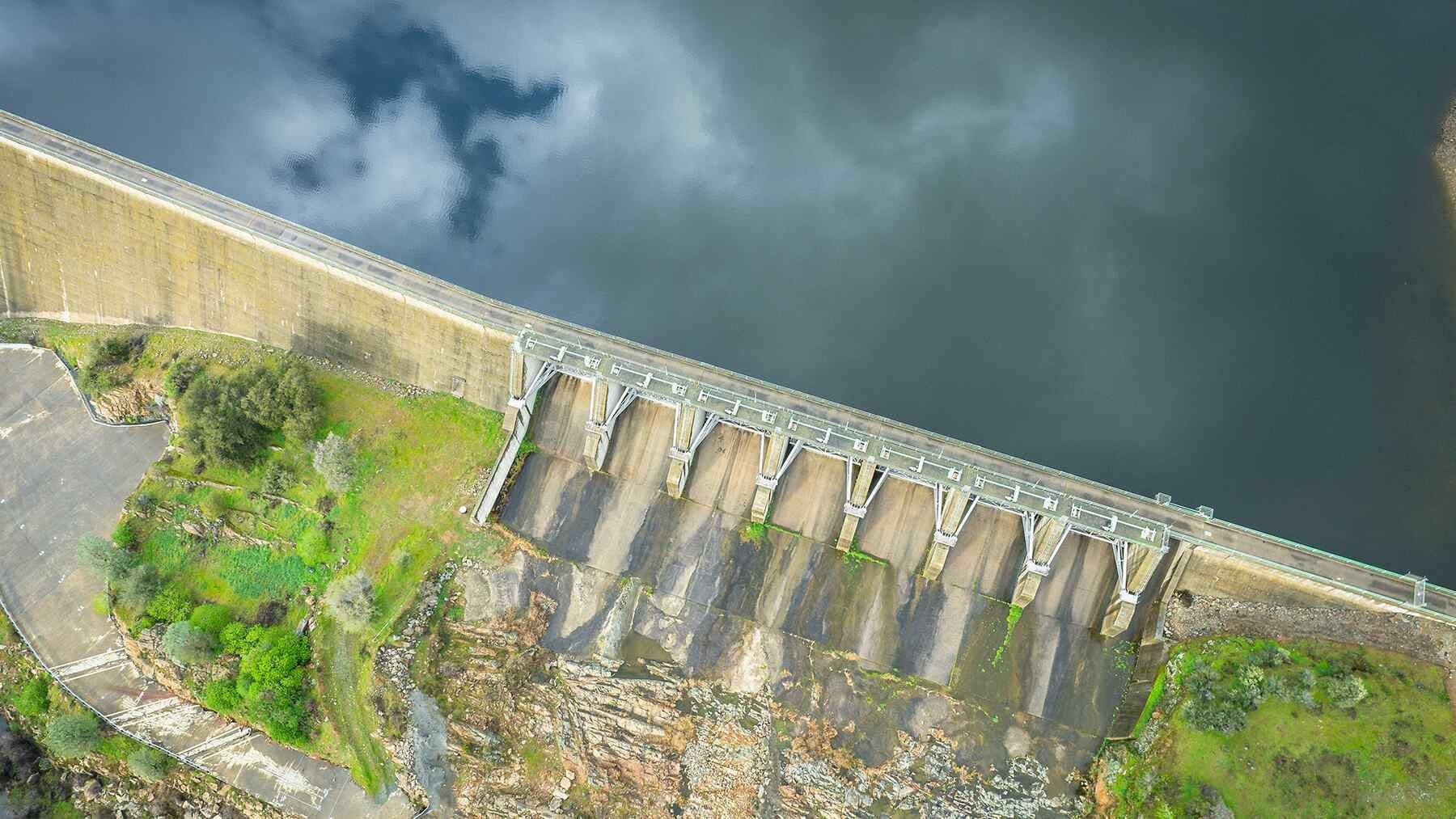
Most hydroelectric ventures in large river basins are based upon several corporations rather than one and are therefore subject to an array of decisions made at various times over many years. Because these ventures take place over such long periods of time, their partners will also experience changes in both their technical capabilities and financial condition, along with changing government policies.
Coming into Laos via cooperation
J‑POWER and Hazama Ando formally entered the Pak Lay Hydropower Project — the first hydropower venture in Laos for each firm. Both firms’ involvement came through their Joint Venture, JH International B.V., in which both firms have acquired equity in Pak Lay Power Company Limited.
Through this transaction, J‑POWER now holds an indirect stake of about forty‑nine percent in Pak Lay Power Company, while Hazama Ando maintains a smaller minority shareholding. The remaining shares are held by a Thai‑based affiliate of Gulf Development Public Company Limited, with both Japanese firms joining the project consortium following the April 1, 2026, equity exchange.
Similarly, Hazama Ando brings the experience it has gained from numerous domestic and international dam projects through its work on engineering and construction.
J‑POWER brings considerable hydropower experience through its previous developments in Japan and Southeast Asia. Similarly, Hazama Ando brings the experience it has gained from numerous domestic and international dam projects through its work on engineering and construction.
Pak Lay — and its regional context
The Pak Lay Hydropower Project is situated on the Mekong River in the Lao People’s Democratic Republic. It is designed as a run‑of‑river facility, using the river’s natural flow rather than relying on a large storage reservoir.
Once constructed, the project is expected to generate 770 megawatts of electricity. All power produced will be sold under a long‑term power purchase agreement with the Electricity Generating Authority of Thailand, with the full output exported across the border.
Under a concession agreement with the Government of Laos, Pak Lay Power Company will construct and operate the plant for a fixed period before transferring ownership to the state under a build‑operate‑transfer framework.
Project developers emphasize that the run‑of‑river design is intended to limit environmental and social impacts compared with larger storage dams, while still providing a reliable and low‑carbon source of electricity. Development is being carried out in accordance with Lao law and international environmental and social standards, alongside ongoing consultation with local stakeholders and neighboring countries along the Mekong River.
Why are new members helpful at this juncture?
The inclusion of J‑POWER and Hazama Ando occurs as the Pak Lay project transitions from an extended planning phase to a defined development phase. This type of model reflects a growing trend in regional hydropower development, with projects increasingly relying on cross‑border consortia that combine financial capacity, technology, and operational expertise.
At this stage, additional partners can help strengthen decision‑making as projects move from design and approvals toward construction and execution. Early involvement allows developers to test assumptions, refine technical coordination, and align expectations before capital commitments and timelines become more rigid, reducing the risk of later‑stage adjustments.
Such arrangements can improve risk management for individual participants while also offering greater flexibility in addressing challenges that arise over multi‑decade project timelines, including shifts in market conditions commonly encountered during development and implementation along the Mekong River.
For Laos, the project supports a long‑standing national goal of using hydropower resources to generate export revenue and support regional energy security. For Thailand, Pak Lay represents another renewable energy import enabled through interconnection with its national electric grid from a neighboring system.
A calculated advance
Hydropower projects along the Mekong River continue to attract attention for their economic and environmental implications. Pak Lay, however, illustrates how most large‑scale infrastructure development progresses—not through sudden announcements, but through incremental commitments that ultimately become long‑term investments for the region.
