
Drinking water for 2.7 million people depended on a 57-year-old hydro plant — so engineers rebuilt it with almost no interest in the electricity
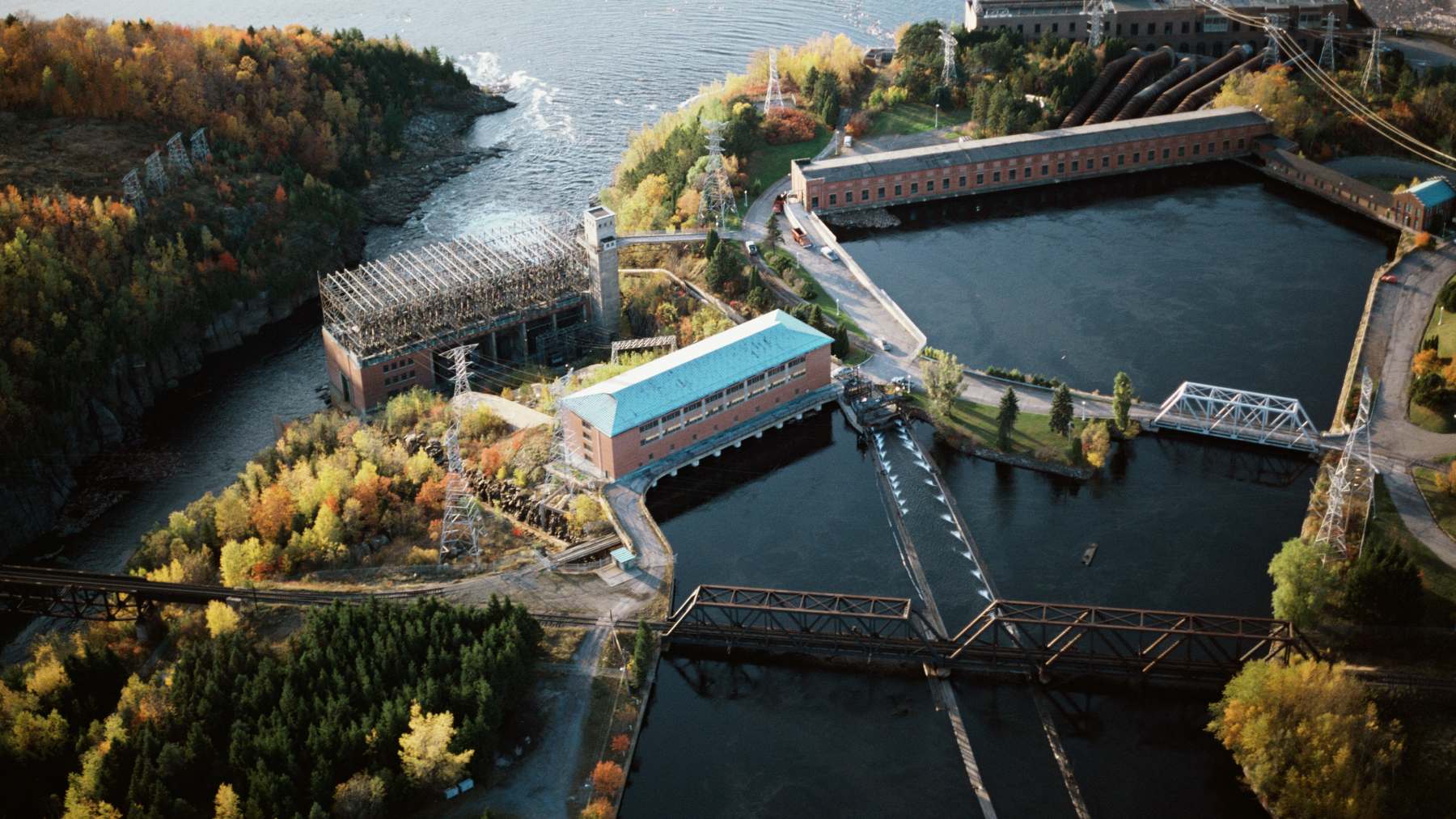
Water descending from Yosemite National Park through the Sierra Nevada foothills passes through the Moccasin Powerhouse on its way to the taps of 2.7 million San Francisco Bay Area residents. The plant generates electricity along the way — but that’s almost beside the point.
The two generators installed there in 1969 were still spinning more than half a century later, on hardware that predated the pocket calculator. By 2023, both units were aging toward a threshold no utility wants to reach: the point where simultaneous failure becomes a real possibility. At Moccasin, that wasn’t a power grid problem. It was a drinking water problem.
A hydro plant where megawatts come last
The turbines at Moccasin don’t exist to generate electricity. They exist because water falling thousands of feet from the Sierra Nevada builds up enormous pressure, and that pressure has to go somewhere — so the turbines bleed it off. The electricity they produce is, as project director Louis-Philippe Thibault put it, a financially useful way to dissipate energy that would otherwise need to be shed some other way.
Thibault’s more pointed message is aimed at utilities watching their own assets cross the half-century mark: don’t wait for failure to set the schedule.
That framing inverts almost everything you’d expect from a hydropower plant. Output and efficiency normally lead the conversation. Here, they don’t come close. The plant supplies roughly 85% of the San Francisco Bay Area’s drinking water, and that single fact shapes every design decision. Megawatts are a bonus.
Why reliability, not efficiency, drove the rebuild
By 2023, SFPUC was facing a scenario it couldn’t keep deferring: two aging units drifting toward the point where simultaneous failure was possible. That risk had nothing to do with the power grid. It was about whether water kept moving.
GE Vernova’s response was telling. The team replaced both original generators with new 55-MW units — but kept the original runners and the same power rating. Output barely changed. What changed was operational: the new units give SFPUC the confidence to run both machines without the anxiety the aging hardware had started to create. Thibault was direct about the logic. “Reliability and lower downtime have a bigger impact than maximum efficiency in this kind of situation.” For a plant where water throughput is the dominant priority, that’s not a compromise. It’s the entire design philosophy.
A four-month window and a swap-ready strategy
The project’s hardest constraint wasn’t technical. It was the calendar. Each unit had to be removed, rebuilt, and reinstalled within a single December-to-April outage window — set by seasonal water demand, not power markets. To fit a generator rewind into that window, the team built a new stator frame and rotor rim in advance, ready to swap in rather than refurbish on-site. That approach compressed months of potential work into the time actually available.
The project nearly came undone before it started. Key components — the stator frame, rotor rim, laminations, and assembly tents — weren’t ready ahead of the first planned outage. Rather than begin the work and hope procurement caught up, the team made a deliberate call: push the first outage by a full year. That upfront delay absorbed supply-chain pressure early, and it’s what kept the project on track once work actually began.
Logistics, lifts, and an asbestos surprise
Moccasin’s foothills location added real complexity. The rotor rim was stacked in Sorel-Tracy, Quebec, then trucked to the site and lifted into position with a high-capacity mobile crane — a demanding sequence at a site without the open staging room of a flatland plant.
Safety held throughout. The project recorded zero lost-time incidents across 2.5 years and roughly 78,000 worker-hours, including the high-risk critical lifts of the rotor in and out of the stator.
The one genuine surprise came when the team opened the generator compartment and found unexpected asbestos contamination around the units. The relief followed quickly: once they opened the units themselves, there was no contamination inside. One more detail helps explain why the original 1969 units lasted as long as they did — water from Yosemite is clean enough to require no filtration, meaning minimal suspended sand. Less abrasion over decades adds up.
A lesson for aging hydro assets across the country
The new generators are expected to run for 50 years. Thibault’s more pointed message is aimed at utilities watching their own assets cross the half-century mark: don’t wait for failure to set the schedule. Proactive rebuilds, done while equipment still runs, give you options that emergency repairs simply don’t.
Moccasin’s story is what that looks like — a deliberate one-year delay, a swap-ready component strategy, a compressed timeline, and a clean safety record at the end of it.
Hydropower tends to get evaluated through the lens of generation capacity and grid contribution. Moccasin suggests that framing misses something. Some plants exist primarily to move water reliably, and the electricity they produce is secondary. At Moccasin, the cost of getting it wrong was never going to be measured in megawatts. It would have been measured in what came out of the tap.

Carlos is an engineer with strong expertise in technical and industrial topics. He previously worked at international companies such as Siemens and is multilingual.
