
Oklahoma attorney general sues to block $4 billion aluminum smelter planned in Inola amid governor’s race
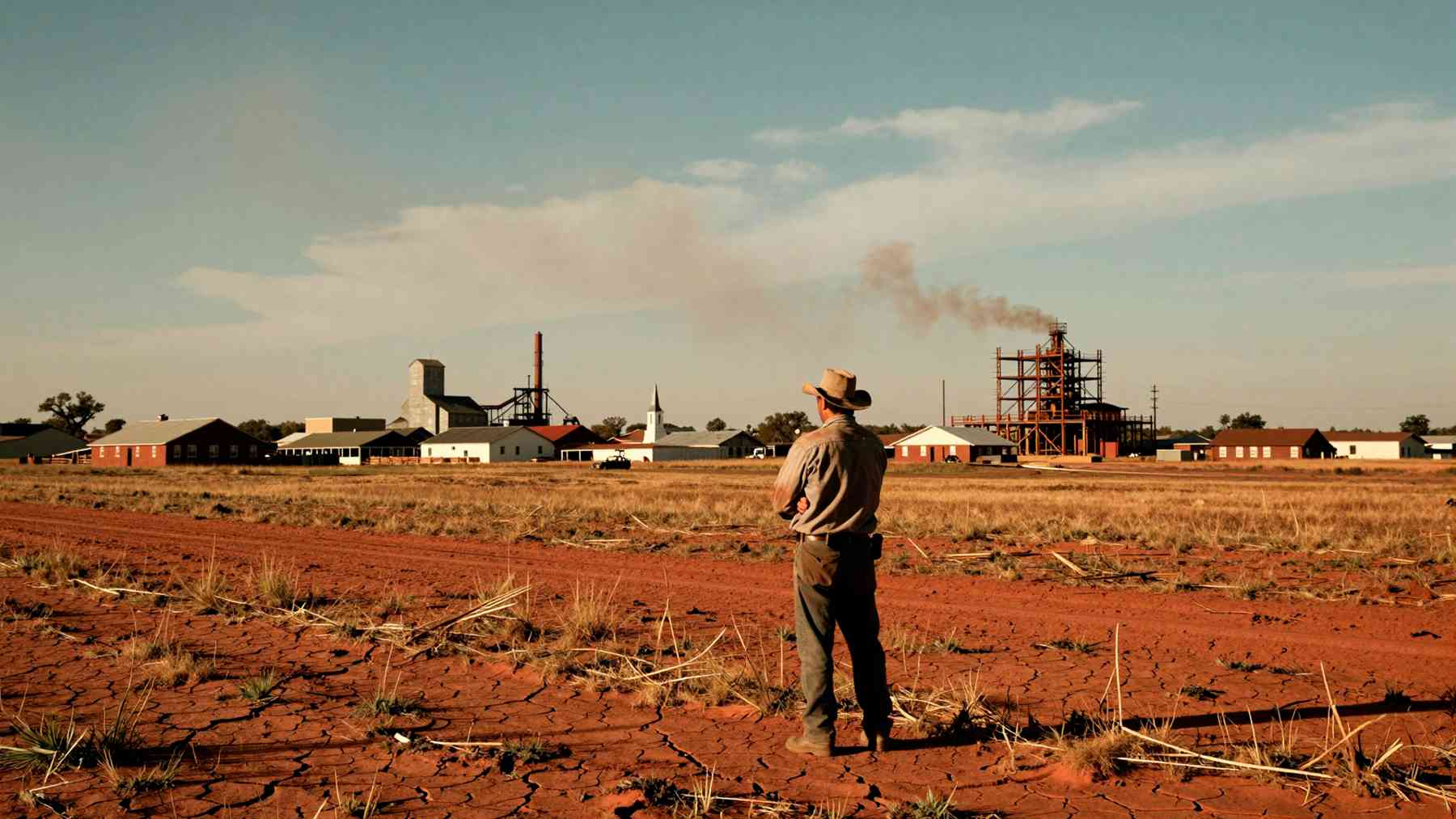 AI-made
Oklahoma Attorney General Gentner Drummond filed a lawsuit on June 2 to halt construction of a $4 billion aluminum smelter planned in Inola, a rural northeastern Oklahoma town. The facility, developed by Emirates Global Aluminium and Century Aluminum, would be the largest aluminum smelter in the United States — and more than double the country’s capacity for producing aluminum from scratch.
The timing of the legal action drew immediate scrutiny. Drummond filed his suit four days after President Trump endorsed his rival in an increasingly contentious Republican gubernatorial primary.
Attorney General Files Suit to Stop Smelter Construction
Drummond’s lawsuit, filed June 2, names EGA and Century Aluminum as defendants and targets the proposed facility before construction begins. The $4 billion plant in Inola would produce 750,000 metric tons of aluminum annually — more than doubling U.S. capacity for primary aluminum production.
EGA’s smelting process is said to cut electricity use by roughly one-third per ton of aluminum compared to America’s aging existing smelters.
Drummond framed the action as a public protection measure, citing anticipated air and water pollution, risks to cattle and crops, and the threat that emissions could spread across northeastern Oklahoma communities. “A primary aluminum smelter does not belong in a community’s backyard, and its emissions do not respect property lines,” he said. The lawsuit landed four days after President Trump endorsed Drummond’s gubernatorial rival, Mike Mazzei, in the June 16 Republican primary—a sequence that placed the filing under immediate political scrutiny.
Governor’s Race Shapes the Political Context of the Lawsuit
Drummond is one of several Republicans competing in Oklahoma’s June 16 gubernatorial primary. His opponent, former state Sen. Mike Mazzei, had previously criticized the smelter — specifically the hundreds of millions in state tax incentives the project is expected to receive. Then, on May 29, hours before Trump endorsed him, Mazzei reversed course entirely. He announced on social media that he would “strongly support” the smelter as governor and work with the Trump administration to attract similar projects to Oklahoma.
Outgoing Governor Kevin Stitt accused Drummond of weaponizing his office in retaliation against Trump. Drummond denied any political motivation, pointing to the developers’ May 19 air-quality permit application as the trigger—a timeline he said made the filing legally appropriate rather than politically calculated.
Grid Strain and Electricity Demand Raise Additional Concerns
The smelter’s power appetite is significant. The facility would require over 1 gigawatt of continuous electricity to operate — enough to power a city the size of Boston or Nashville annually. Drummond’s lawsuit flagged that consumption level as a threat to grid reliability, arguing it could place “extraordinary strain on the regional grid” and raise electricity costs for Oklahoma ratepayers.
Developers are currently negotiating a long-term power contract with Public Service Company of Oklahoma, a subsidiary of utility giant AEP. That agreement, once finalized, must pass regulatory review by Oklahoma’s Public Utilities Commission—a process the developers say is designed to assess and minimize impacts on residential and commercial customers.
Developers Defend the Project’s Environmental and Economic Credentials
EGA, a UAE state-owned enterprise, holds a 60% stake in the project. Century Aluminum, based in Chicago, holds the remaining 40%. The two companies are developing the facility through a joint venture named Oklahoma Primary Aluminum.
They argue the Inola plant will be the most modern aluminum facility in the world, pointing to pollution filtering and monitoring systems alongside emissions reduction technology. EGA’s smelting process is said to cut electricity use by roughly one-third per ton of aluminum compared to America’s aging existing smelters. The project has attracted substantial public backing as well: the U.S. Department of Energy awarded it a $500 million grant, and it is expected to receive hundreds of millions more in Oklahoma state tax incentives.
Local and National Context: Aluminum Supply, Pollution History, and Community Views
China produces roughly 60% of global aluminum output each year. Officials across both parties have made domestic reshoring a priority, and both the Biden and Trump administrations have pushed to rebuild U.S. aluminum capacity.
Traditional smelters carry a difficult environmental record—historically emitting fluoride, mercury, perfluorochemicals, and sulfur dioxide, substances that can harm human health, damage crops, and contaminate waterways. The last U.S. aluminum smelter was built in 1980.
The Inola facility would span 350 acres along the Verdigris River, near schools, homes, and farms. A 2024 statewide survey found 62% of Oklahomans support the project, yet concern over local air and water quality cuts across party lines. Supporters and opponents alike have raised environmental reservations about bringing heavy industry to the region.
Where the lawsuit ultimately leads remains uncertain. What is clear is that the smelter debate now sits at the intersection of environmental policy, energy infrastructure, national security arguments, and a Republican primary race with less than two weeks until voters decide.
Kelly is an experienced writer with 15 years of experience exploring the big stories that shape our world, from tech breakthroughs and space exploration to climate, energy, and the fascinating quirks of science. She has a talent for turning complex ideas into sharp, memorable insights that stay with readers long after they’ve finished reading.
