
PowerBank initiates development of 5 MW solar and battery storage project in New York
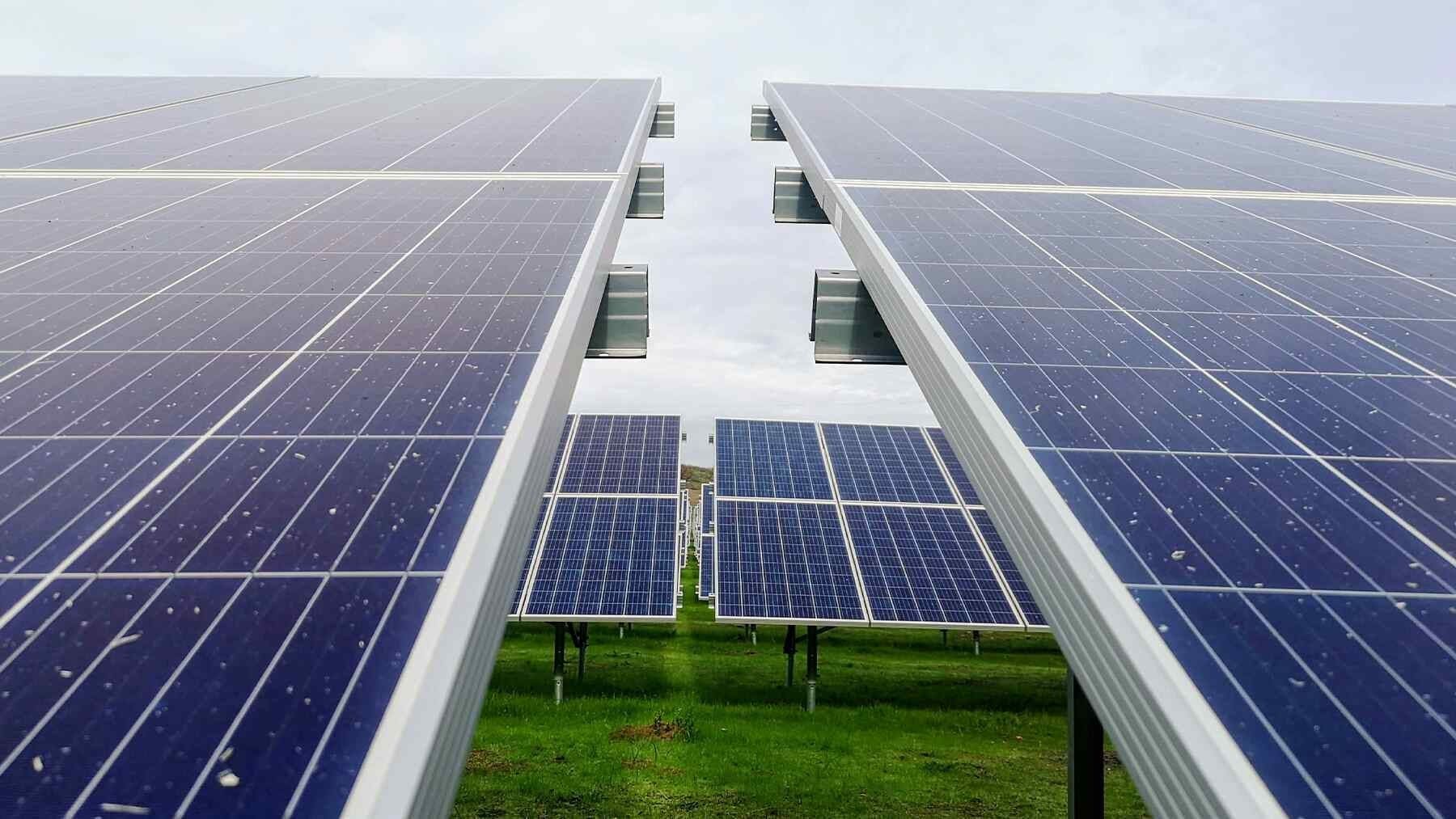
One of the companies that has been active in the 2026 energy landscape is PowerBank. As of late, the entity has initiated development of a 5 MW solar and battery storage project in New York. The Department of Energy has done an excellent job in allocating companies to pursue energy initiatives in appropriate regions within the United States. New York is by far one of the busiest states in the United States, particularly in the metropolitan area known for its high population density and heavy traffic. This makes it even more important for developers to establish massive facilities there with the overall objective of ensuring that people are using more clean energy than fossil fuels.
PowerBank maintains strong momentum in building groundbreaking facilities
In the energy industry, it is essential that companies are able to capitalize on any bit of momentum that they are privileged to have. This means striking while the iron is hot and building as many facilities as possible at a time when they are most profitable. The energy industry is driven by past reputation and the number of large-scale initiatives that a company is able to execute.
PowerBank corporation is a Canadian-owned developer of energy projects that generally focuses on solar and battery energy storage systems (BESS) in Canada and the U.S. The reason why the company has enjoyed great success in 2026 is that most countries are aiming to pair solar generation and storage systems, which is an area in which PowerBank has thrived.
These include the NY-Sun Program and the Retail Storage Incentive Program, which both intend to accelerate renewable deployment across the state.
The Toronto-based company has long-standing ties with the United States, which make it a well-trusted and reputable entity. In its latest endeavor, PowerBank has taken a significant step in expanding its renewable energy footprint with the launch of a 5 MW solar and battery storage project in New York.
A general overview of PowerBank’s upcoming solar energy facility in New York
The facility, located in upstate New York, is designed to enhance both grid reliability and community energy access. It is also consistent with state-level efforts to quicken the transition toward sustainable power infrastructure. PowerBank recently confirmed that it has officially reached a lease agreement for the development of a 5 MW AC hybrid solar and battery energy storage system, known as the NY–Conklin Hill Road project.
Just like most of the contemporary solar energy facilities, the development combines solar photovoltaic generation with battery energy storage, establishing a hybrid system that is able to produce and store electricity for later use. The growing popularity of the approach of integrating storage is because it allows the project to stabilize the energy supply.
As such, contemporary solar facilities are effective during periods of peak demand or limited sunlight. Intermittency issues have been an obstacle that developers have, for a long time, attempted to overcome.
Reviewing the progress of the upcoming solar facility in New York
In this case, PowerBank indicated that the project is still in its early stages, with interconnection studies ongoing. Once approvals are reached, the company plans to move forward with permitting and financing.
This will be the next phase toward construction and eventual operation. A key component behind the project is its ability to qualify for incentive programs administered by the New York State Energy Research and Development Authority (NYSERDA).
These include the NY-Sun Program and the Retail Storage Incentive Program, which both intend to accelerate renewable deployment across the state.
Looking ahead: How will the initiative impact New York’s clean energy sector
According to reports, the initiative is expected to operate under a community solar model. This means residents and businesses will be allowed to subscribe to the project without installing solar panels on their own properties. This is massive for the state, especially considering that not everyone can afford to install solar panels.
Through the model, subscribers will benefit from credits on their electricity bills, making clean energy more accessible and affordable. The United States continues to elevate its solar landscape.
Prince is a versatile writer focused on energy, automotive, environmental, and general news topics. He makes complex technical and policy issues clear, engaging, and accessible for a broad audience.
