
China’s most powerful dam quietly became a traffic jam, and now Beijing is spending $11.4 billion to fix a problem its own engineers never predicted
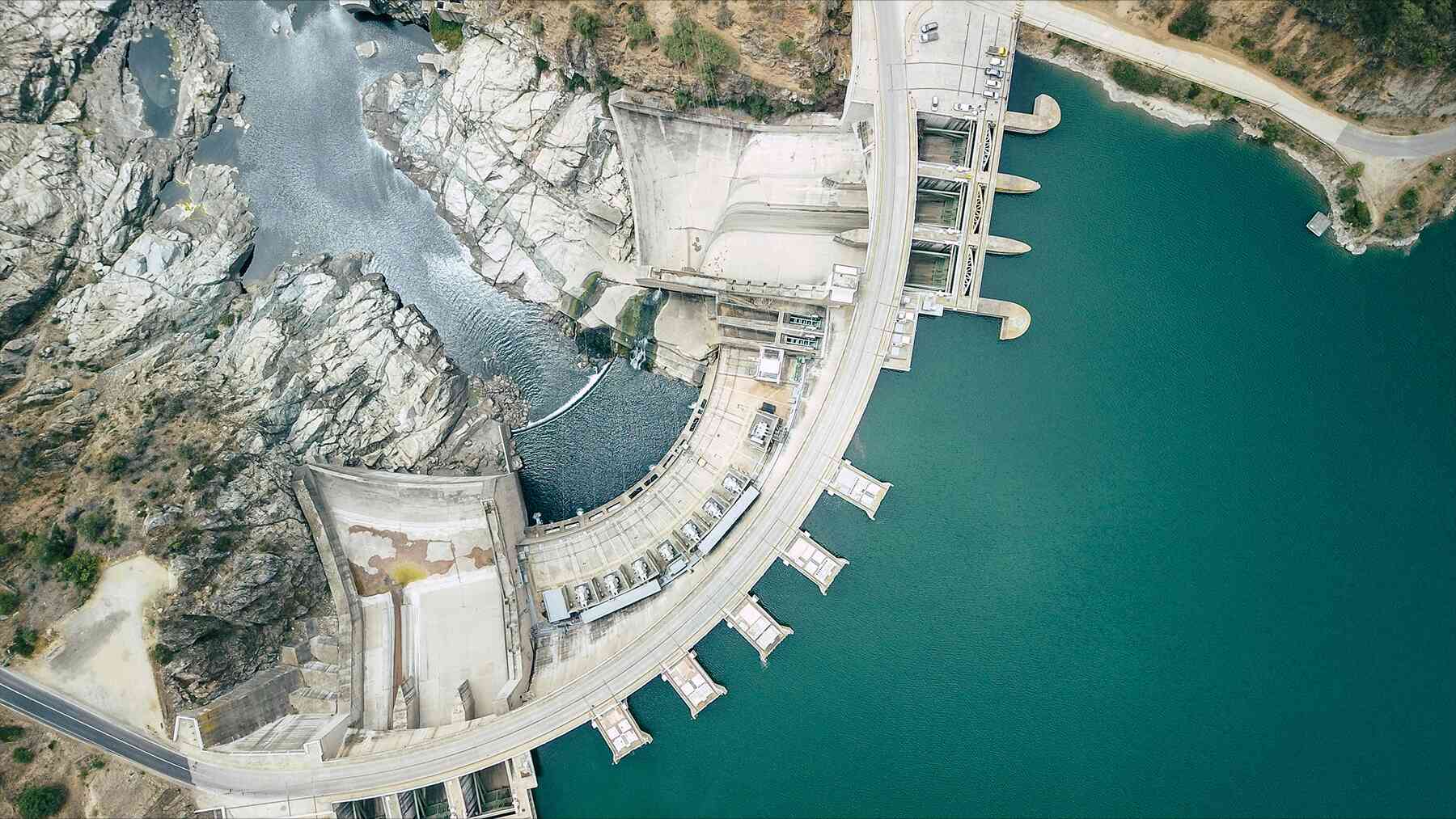 Credit: Energies Media internal edition
Giant hydroelectric dams are engineering marvels, but one in China is facing a shipping bottleneck.
Globally, these massive plants are essential to stabilizing power grids and international trade.
While they are the oldest forms of clean electricity generation, they historically supported river navigation.
Her work focuses on making complex topics accessible, informative, and relevant for readers across different areas of interest.
Now, soaring cargo volumes are causing an unprecedented logistical strain.
Will China’s solution to the obstacle to its most powerful hydropower facility inspire others to follow suit?
How hydropower plays a dual role
Global energy consumption is rising.
This places significant pressure on electric grids. It also makes achieving climate goals more complex.
For this reason, the world’s clean energy grids have become reliant on modern hydroelectric dams.
Typical renewable sources such as wind and solar power are weather-dependent.
Their intermittent nature leads to fluctuations in output.
Unlike solar and wind, hydropower generates reliable, adjustable baseline electricity.
Power production can be altered within minutes after sudden shifts in energy demand.
Giant dams are therefore essential for stabilizing regional grids and preventing blackouts.
However, these structures were historically built to tame wild rivers.
Early projects regulated water levels, eased fast-moving rapids, and made waterways predictable.
Today, major dams continue to have a dual role.
Controlling water flow maintains the required depths for large commercial vessels that transport goods.
China is highly dependent on this, which is why the latest obstacle is problematic.
The economic lifeline of the Yangtze
The power of water is not only essential to electricity, but is also vital to finances.
The Yangtze River is the main lifeline of China’s domestic economy.
Eleven provinces and municipalities are covered by the Yangtze River Economic Belt.
This belt generates more than 40% of the nation’s gross domestic product (GDP).
Several heavy industries are highly dependent on this single waterway. This includes metallurgy, automotive manufacturing, and high-tech electronics.
Bulk freight transportation by water is one-fifth of the cost of rail transport.
The Three Gorges Dam, the biggest hydroelectric dam in the world, is at the center of this crucial supply chain.
It plays a fundamental role in inland goods transportation.
The highly navigable deep-water highway allows 10,000-tonne cargo vessels to travel deep within China.
This logistical gateway has become entirely irreplaceable, especially as factories move deeper inland.
But unprecedented traffic has become its greatest obstacle.
Beijing’s multibillion-dollar dam solution
Predicting the potential crises of a giant dam project is not an easy task.
The original planners of the Three Gorges Dam did not anticipate the explosive growth of Chinese trade.
The dam’s navigation locks were capped at 100 million tonnes of cargo annually.
This threshold was expected to handle traffic requirements for several decades.
However, growing inland industrialization shattered those predictions.
By 2025, annual cargo volumes increased to 173 million tonnes.
This major traffic jam led to long delays for ships waiting their turn to pass through the lock systems.
To solve this, Beijing launched a $11.4 billion infrastructure upgrade project.
A two-way channel will separate traffic and boost transit times.
Expanded locks will accommodate 10,000 deadweight tonnage cargo vessels.
The dam’s total cargo handling capacity will nearly double to 336 million tonnes annually.
This project will be the biggest investment on the Yangtze River since the dam opened in 2003.
Construction will span nine years.
Modern trade requirements will continue to evolve along with technology and industrialization.
This necessitates continuous adaptation to help monumental infrastructure survive. China’s major investment in the Three Gorges Dam proves this.
The nine-year upgrade project will overcome a critical economic bottleneck along the river.
Original developers cannot predict the long-term consequences of giant dams. But current engineers must implement responsible, smart strategies once impacts come to light.
Anke Maree is a writer with a clear and engaging editorial style. Her work focuses on making complex topics accessible, informative, and relevant for readers across different areas of interest.
