
Floating wind promised to unlock oceans of clean energy, then 2025 arrived and the whole industry went quiet
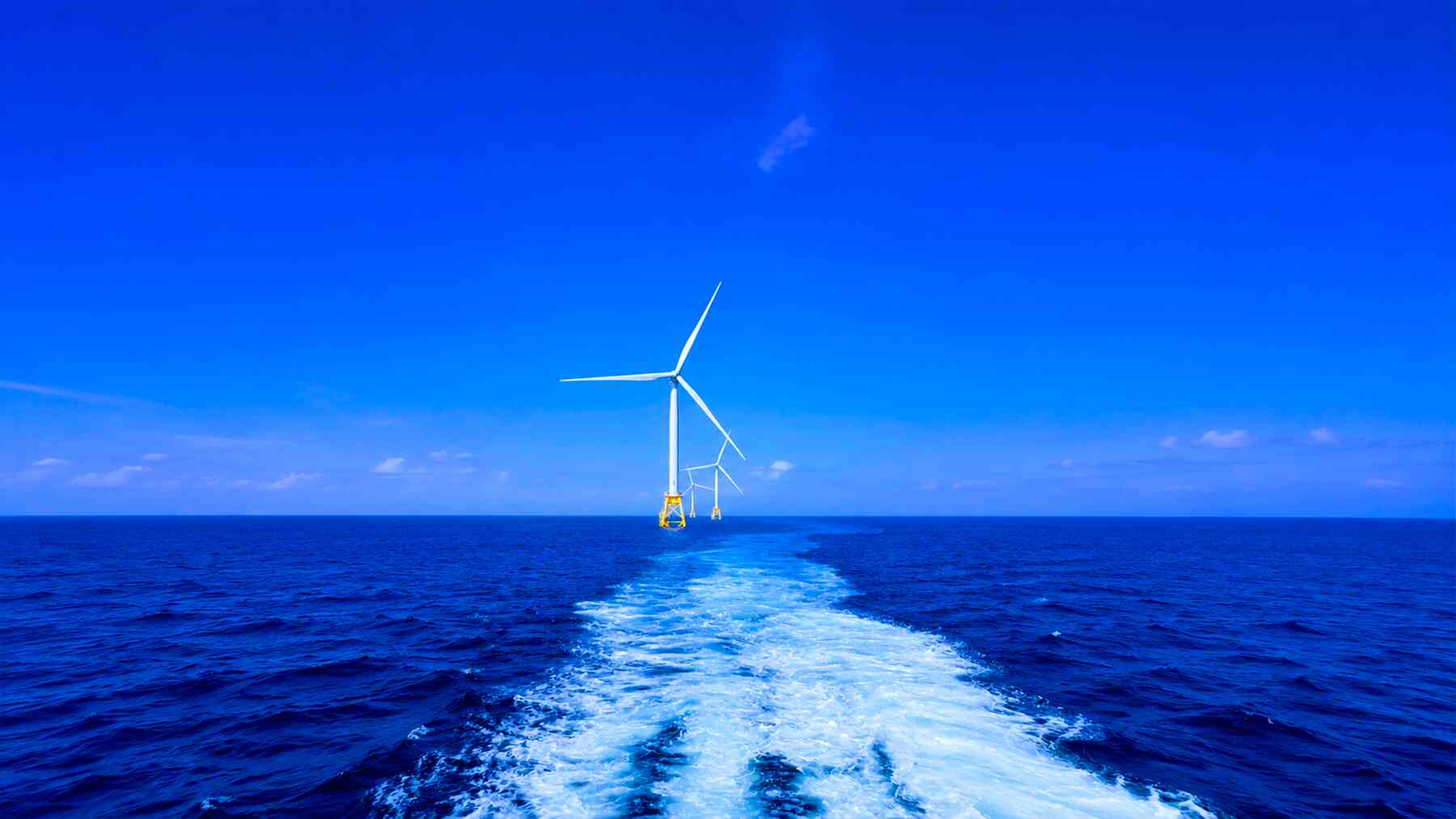 Edited, representative image
Floating wind was set to take the sector to the next level, but 2025 presented major challenges.
Worldwide, energy consumption is surging, raising concerns about achieving climate targets on time.
Major expansions in renewable capacity are needed to strike a balance.
The International Energy Agency maintains that wind energy must account for almost one-third of the total global renewable growth.
Wind power was meant to lead this growth, but floating offshore wind faced significant bottlenecks.
Will the industry pick up where it left off, or will it have to rewrite its strategies?
How clean energy targets are slowed by a surge in consumption
The path toward net-zero was complicated as global electricity demand escalated.
The annual demand will increase by an average of 1,100 TWh through 2030.
It represents a 50% increase in the annual growth rate compared to the past ten years.
Three distinct structural shifts are driving this massive consumption spike.
The AI and data center boom is a primary contributor. AI is rapidly scaling, creating highly concentrated power loads.
Global data center electricity usage is expected to almost double to 945 TWh by 2030.
The shift toward complete electrification is another driver of the rising global demand.
Furthermore, climate change itself is spiking demand.
Extreme heatwaves and unpredictable cold snaps are forcing major, prolonged usage of air conditioning and heating.
To achieve decarbonization goals, green energy capacity must expand to replace fossil fuels and match baseline consumption.
Yet breakthrough technologies are failing to be commercialized on schedule.
Wind energy was seen as the solution
The expanding global energy gap is putting immense pressure on nations worldwide.
Wind power is uniquely positioned to meet strict decarbonization timelines.
However, it would necessitate high-capacity, large-scale deployment of wind turbines.
The International Energy Agency maintains that wind energy must account for almost one-third of the total global renewable growth.
The benefits of large-scale wind are undeniable.
Modern offshore turbines operate at high capacity and have more predictable electricity generation.
Additionally, scaling up domestic wind power significantly increases energy security.
Furthermore, utility-scale wind farms are fundamental to electrified economies.
Unfortunately, new large-scale wind investments have been facing mounting challenges.
Onshore and shallow-water fixed turbines are struggling with space constraints and delayed local permits.
To progress decarbonization, deeper maritime resources are required.
Advanced floating wind farms became a necessity to meet long-term climate targets.
Nonetheless, 2025 marked the sector’s most challenging year.
A bad year for floating wind capacity
The entire offshore wind sector faced a reality check in 2025.
In the U.S., new large-scale offshore wind leasing was placed on hold.
The Global Wind Energy Council lowered its long-term growth forecasts.
Worldwide, new floating wind installations and auction wins for floating projects dropped to zero.
The drivers of the floating wind market decline
Global progress was halted by high interest rates and major supply chain bottlenecks.
Renewable energy investments plummeted 36% year-over-year in the U.S.
Major projects were stopped by political opposition and regulatory stop-work orders.
Consequently, the European energy giants pulled capital out of the American market.
Sector leader Ørsted experienced severe financial losses. The company changed CEOs and launched a restructuring plan.
Nearly 2,000 jobs were eliminated. The company turned to the safer European and APAC markets as a result.
Government auction “negative bidding” frameworks further stopped development.
Now, a shift to two-sided Contracts for Difference is being demanded to lower risk and stabilize revenue.
The harsh setbacks of 2025 prove that the wind industry cannot rely on traditional deployment strategies.
The only way for the sector to move forward is to completely change government auction policies.
Additionally, global supply chain costs must stabilize. Political climate targets and economics must align if the floating wind revolution wants to take off.
Otherwise, developers may have to embrace new strategies pioneered by dominant foreign markets.
Anke Maree is a writer with a clear and engaging editorial style. Her work focuses on making complex topics accessible, informative, and relevant for readers across different areas of interest.
