
Retired EV batteries are finding a second career powering the grid — and the industry is moving fast to make it mainstream
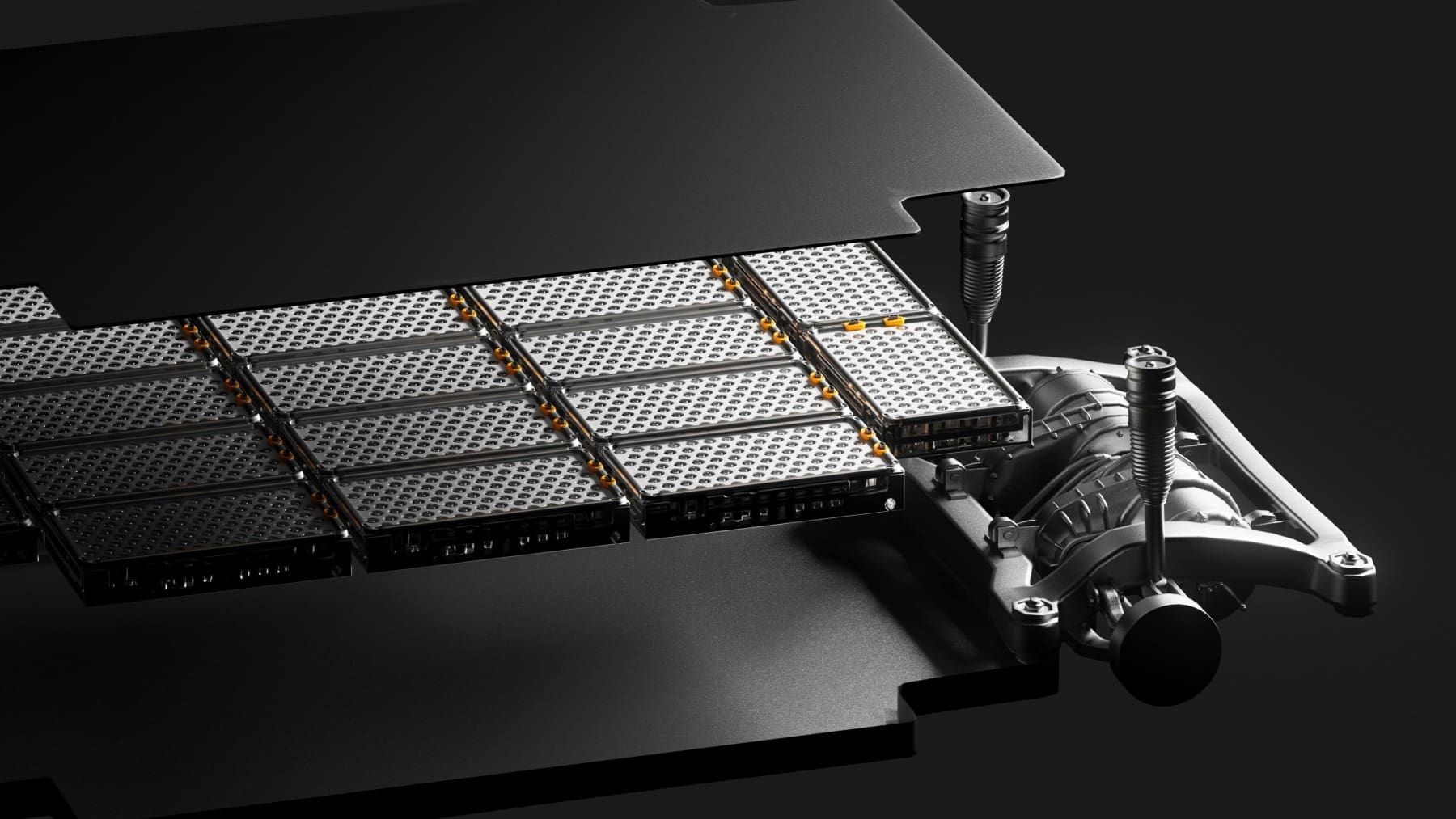
Every year, thousands of electric vehicles quietly retire from the road — their batteries worn enough for driving, yet still holding a meaningful charge. For most of those battery packs, the default destination has been recycling. But that calculus is beginning to change.
A growing number of companies now see those retired batteries not as waste, but as ready-made energy assets — ones that could help stabilize a power grid under increasing strain. The race to redirect them is accelerating.
From the road to the grid
The partnership between B2U Storage Solutions and Waymo puts a concrete face on this shift. Under a new strategic supply agreement, Waymo’s retired fleet EV batteries will be repurposed into grid-connected battery energy storage systems — with the goal of transitioning thousands of vehicles from the road into the power sector. The arrangement covers electricity markets stretching from California to Texas.
Designed as a vertically integrated operation, it manages every stage from battery intake and testing through to integration and deployment.
B2U’s core argument is simple: direct recycling leaves money on the table. Repurposing instead, the company says, retains the residual value still locked inside those battery packs — value that vanishes the moment a battery enters a smelter.
Why batteries still have a job to do after retirement
The business case rests on a physical reality. Lithium-ion batteries do not suddenly become useless when they leave a vehicle. They lose enough capacity to make range and performance unreliable for drivers, but they often retain substantial charge-holding ability that remains well suited for stationary applications — absorbing excess renewable energy during low-demand periods and dispatching it during peak hours.
Repurposing can extend a battery’s functional life by several years beyond its automotive service. That cycle directly supports grid stability, a growing priority as renewable generation expands and electricity demand climbs.
A safety milestone that clears the path to scale
Technical credibility has been one of the harder problems to solve. Grid operators and commercial buyers need assurance that repurposed batteries meet the same rigorous safety standards as new equipment — and that assurance has been difficult to formalize.
Moment Energy became the first company to achieve UL 60730-1 functional safety certification for a battery management system designed specifically for repurposed EV batteries. The company described the milestone as removing the final technical barrier to mass-market adoption of second-life battery storage. Certification does not just signal quality; it opens doors. Commercial deployments at scale require this kind of credentialing, and without it, second-life batteries remain a compelling idea that struggles to move beyond pilot projects.
Building the infrastructure to match the ambition
Certification alone is not enough. The industry also needs physical infrastructure capable of processing retired batteries at volume.
Moment Energy is constructing what it describes as the world’s largest battery-repurposing facility in Vancouver, British Columbia, expected to be fully operational by the end of June. Designed as a vertically integrated operation, it manages every stage from battery intake and testing through to integration and deployment. By 2030, the facility’s capacity could reach 1 gigawatt-hour — an ambition backed by a $40 million Series B funding round that pushed Moment Energy’s total capital past the $100 million mark. The money and the infrastructure are arriving together.
The circular economy argument — and what it means for clean energy
Both B2U and Moment Energy frame second-life battery storage in the language of the circular economy — extracting maximum economic and environmental value from a battery across its entire lifespan, not just its first chapter on the road.
Waymo’s Head of Sustainability and Environment, Adam Lenz, put it plainly: repurposing supports clean energy grid growth while delivering community value long after vehicles retire. That framing connects corporate sustainability goals to a tangible infrastructure outcome. New industry partnerships, a landmark safety certification, a major repurposing facility under construction, and nine-figure funding rounds do not emerge in isolation. Taken together, they suggest second-life battery storage is crossing a threshold — moving from a niche concept tested at the margins to a viable industry with real commercial momentum.
What to watch next
The next few months will offer early proof points. Moment Energy’s Vancouver facility is expected to go live by late June, and B2U’s agreement with Waymo will begin directing real battery volume toward the grid. How those deployments perform — technically, commercially, and at scale — will shape how quickly other automakers and grid operators follow.
The infrastructure is being built. Certifications are in place. The question now is whether execution can keep pace with ambition.

Carlos is an engineer with strong expertise in technical and industrial topics. He previously worked at international companies such as Siemens and is multilingual.
