
Rolls-Royce SMR advances standardized deployment model for modular nuclear reactors across European markets
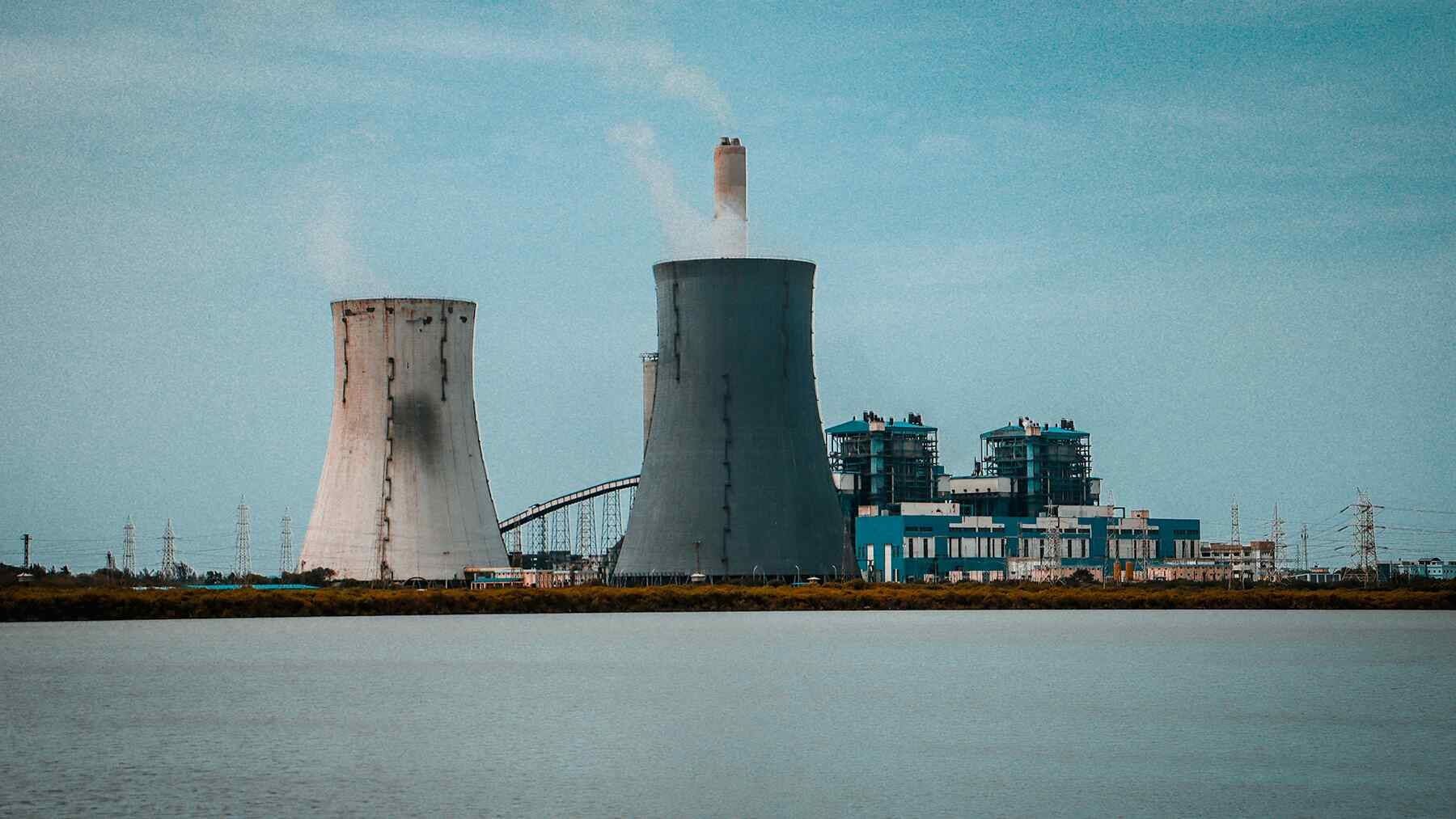
Modular nuclear power plants are a new paradigm for nuclear energy. In terms of cost, size, and time (it takes at least 10 years), traditional nuclear power plants are very difficult to adapt to the current state of European energy. However, we now need to increase our electricity production and reduce our greenhouse gas emissions.
From custom projects to reusable systems
The discussion is changing. We will no longer ask if nuclear could contribute to this goal. We will instead ask if it can do so quickly enough and consistently enough to help us meet the goals of the current energy transition.
There has traditionally been an element of uniqueness associated with all nuclear projects. Traditionally, each nuclear power plant was developed using unique conditions: the location of the project, the specific regulations governing that project, and the country’s own specific needs. The unique nature of each project presented several risks, including cost overruns, schedule uncertainty, and lengthy development cycles.
For the European market, this translates into the ability to install firm low-carbon generating capacity in increments to match projected demand increases.
Rolls-Royce SMR is working under a completely different paradigm
Rolls-Royce is developing a small, modular reactor that can be duplicated in many locations with limited variations. Instead of trying to optimize each nuclear power plant individually, Rolls-Royce SMR is focusing on optimizing the entire system (including design, logistics, licensure, and construction). This paradigm shift presents a view of nuclear energy as an industrial product and not as a massive engineering endeavor.
How does standardization change the economics?
Standardization creates economies of scale that have historically hindered nuclear development. Because Rolls-Royce SMR has created a single, reusable design for its small modular reactors, manufacturing can take place off-site, and components can be manufactured in controlled environments, rather than being built in the field on a project-by-project basis.
As such, construction schedules are reduced, workforce requirements become stable, and learning curves begin to work in favor of the developer(s) of these types of facilities as opposed to hindering their ability to develop. For the European market, this translates into the ability to install firm low-carbon generating capacity in increments to match projected demand increases.
The promise is not necessarily innovation, but predictability.
A deployment model that works across markets
Rolls-Royce SMR believes in a “fleets” model for deploying its small modular reactors. Rather than viewing each of its small modular reactors as separate projects or even deployments, Rolls-Royce views its fleet of reactors as part of a larger deployment plan that spans many sites and/or countries. This enables coordination among regulators, establishment of common supply chain processes, and creation of funding mechanisms based upon repeatability.
Importantly, while deployment of standardized units means that some aspects of local site-specific issues, such as cooling systems, grid interconnections, and permitting, remain flexible, the majority of the project parameters are now defined prior to commencing construction activities. As is the case with other forms of infrastructure, the risk associated with deployment transitions from execution to planning. Planning is easier to control than execution.
Nuclear as infrastructure is not an exception
In addition to being technical, there is a broader implication related to culture. When Rolls-Royce treats its small modular reactors as standardized infrastructure for deploying electrical generation capacity, it is aligning nuclear development with how electrical grids grow, asset by asset and step by step. With increasing amounts of intermittent renewable sources entering electrical grids around the world that still require reliable, dispatchable generation capability, this type of approach makes sense. Additionally, since they would fit within existing industrial zones and potentially former fossil fuel sites and constrained electrical grids, the use of standardized small modular reactors reduces potential land-use disputes and transmission-related challenges.
Rolls-Royce SMR’s standardized deployment model represents a relatively subtle but important shift in nuclear development strategy. By prioritizing repeatability over customization, Rolls-Royce SMR is redefining the way that modular reactors can scale in order to support growing demands for electric power throughout Europe.
