
SRP and NextEra just signed a 3-gigawatt solar agreement that will reshape how Arizona powers its fastest-growing communities
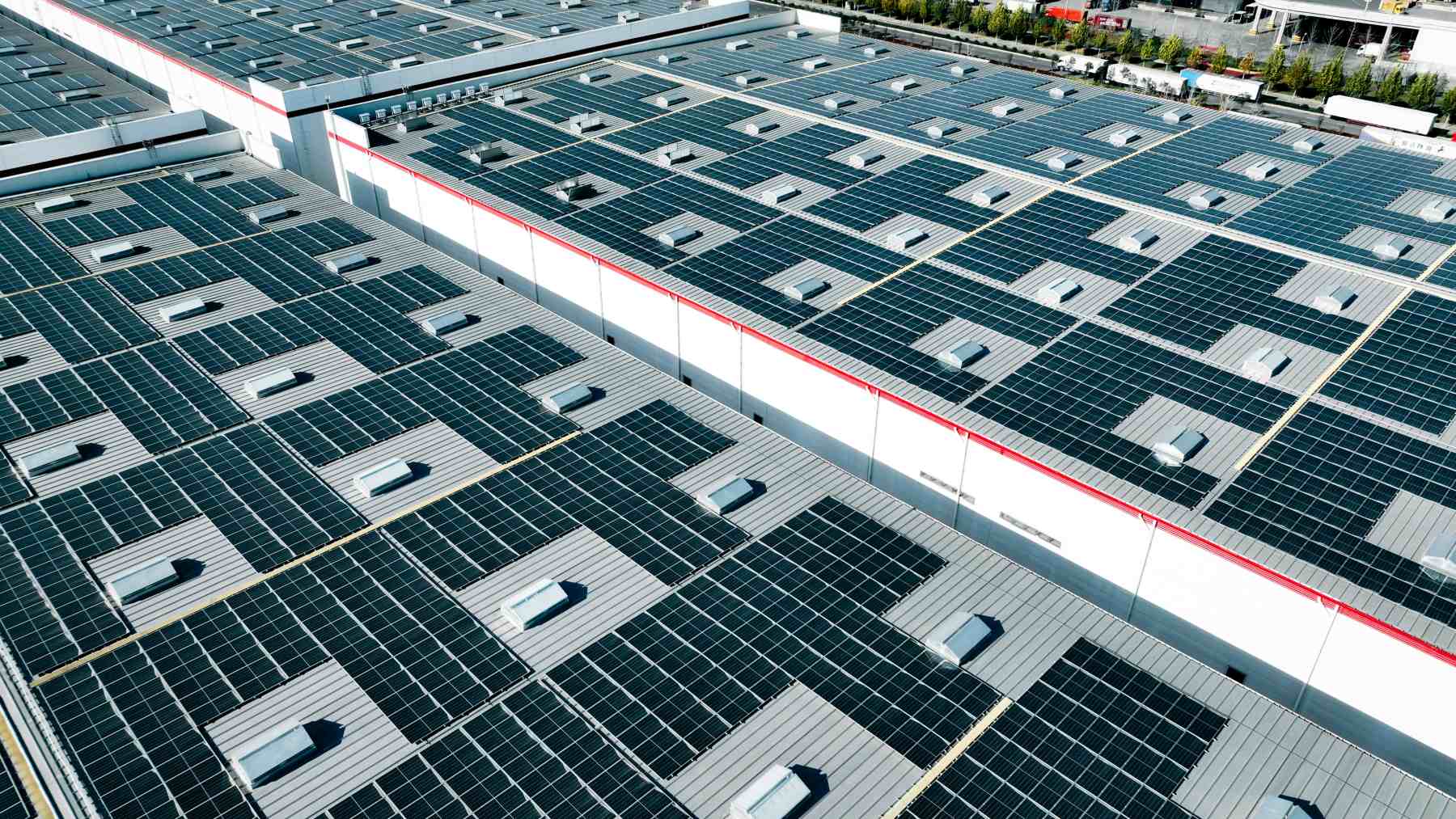
Arizona’s grid is under pressure. A booming population, a wave of new data centers, and relentless summer heat are pushing electricity demand to levels the state’s existing infrastructure was never built to handle.
Now, Salt River Project and NextEra Energy Resources have struck what may be their most ambitious response yet — a deal to bring 3,000 megawatts of new solar capacity online across Arizona by 2034. That’s enough to power roughly 595,000 homes, and it marks the latest, largest step in a years-long effort to fundamentally rebuild how the state keeps its lights on.
A grid built for growth
SRP’s current carbon-free portfolio already exceeds 3,000 MW, including more than 1,500 MW of solar and over 1,570 MW of battery storage. A substantial foundation — but nowhere near enough. The utility has stated a goal to more than double its total power system capacity by 2035, a target driven directly by the pace at which Arizona’s customer base is expanding.
Population growth, an expanding industrial base, and the arrival of large data center campuses are all adding load to a grid that was never designed for this scale.
The new solar agreement with NextEra is one piece of a broader, multi-resource strategy. SRP’s expansion plan also incorporates natural gas and additional battery storage — a practical nod to reliability. Solar generates abundantly during daylight hours, but storage and dispatchable generation are what keep the grid stable after dark when temperatures stay stubbornly high.
The deal: 500 megawatts a year, every year
The structure of the agreement is deliberate. Rather than attempting to bring 3,000 MW online at once — a logistical and financial challenge that would strain any utility — the deal calls for 500 MW of new solar to be constructed annually from 2029 through 2034. That steady cadence is designed to reduce project risk and keep development manageable at each stage without sacrificing momentum.
Equally important is when the collaboration begins. SRP and NextEra will work together early in the project development process, not just at the construction phase, which helps surface problems before they become expensive. NextEra wasn’t simply handed this contract, either. SRP ran a competitive Request for Proposals process in 2024, and NextEra emerged as the selected partner from that open solicitation — a detail that matters for ratepayer confidence.
NextEra’s footprint in Arizona — and why it was chosen
NextEra Energy Resources describes itself as “America’s largest energy infrastructure builder,” and its existing presence in Arizona gives that claim some local grounding. The company has already developed more than 1,000 MW of resources across five projects currently serving SRP customers: Sonoran Solar Energy Center, Storey Energy Center, Saint Solar Energy Center, Pinal Central Energy Center, and Babbitt Ranch Energy Center.
That track record is directly relevant here. Building 3,000 MW of new solar over six years requires permitting expertise, supply chain relationships, and a demonstrated ability to execute within Arizona’s specific regulatory and environmental landscape — not just capital. Starting from an established partnership rather than onboarding a new developer from scratch reduces friction at every step.
Brian Bolster, President and CEO of NextEra Energy Resources, noted the company’s intent to “continue to invest in Arizona to help power the state’s growth with low-cost solar power.” The emphasis on cost is worth noting. For a utility like SRP, the economic argument for solar has become increasingly inseparable from the reliability argument.
What 3 gigawatts actually means for Arizona
Three thousand megawatts is an abstract number until you translate it. According to SRP’s own figures, this agreement represents enough capacity to power approximately 595,000 Arizona homes — a meaningful share of a state that added residents faster than almost any other in the country over the past decade.
The forces driving that demand show no signs of easing. Population growth, an expanding industrial base, and the arrival of large data center campuses are all adding load to a grid that was never designed for this scale. Summer heat compounds the pressure further, pushing air conditioning demand to its peak precisely when grid stress is highest.
Low-cost solar addresses part of that challenge in a way that benefits both utilities and the customers paying their bills. As generation costs have continued to fall, the economic case for large-scale procurement has strengthened right alongside the environmental one.
The 3,000 MW agreement with NextEra isn’t the ceiling, either. SRP has additional solar energy and storage projects under development beyond this deal, suggesting the utility views this as a sustained build-out rather than a one-time transaction. How quickly that broader pipeline materializes — and whether Arizona’s grid can keep pace with demand in the years before 2029 construction begins — will be worth watching closely.

Carlos is an engineer with strong expertise in technical and industrial topics. He previously worked at international companies such as Siemens and is multilingual.
