
TGS wins agreement to conduct offshore wind site characterization studies in Europe
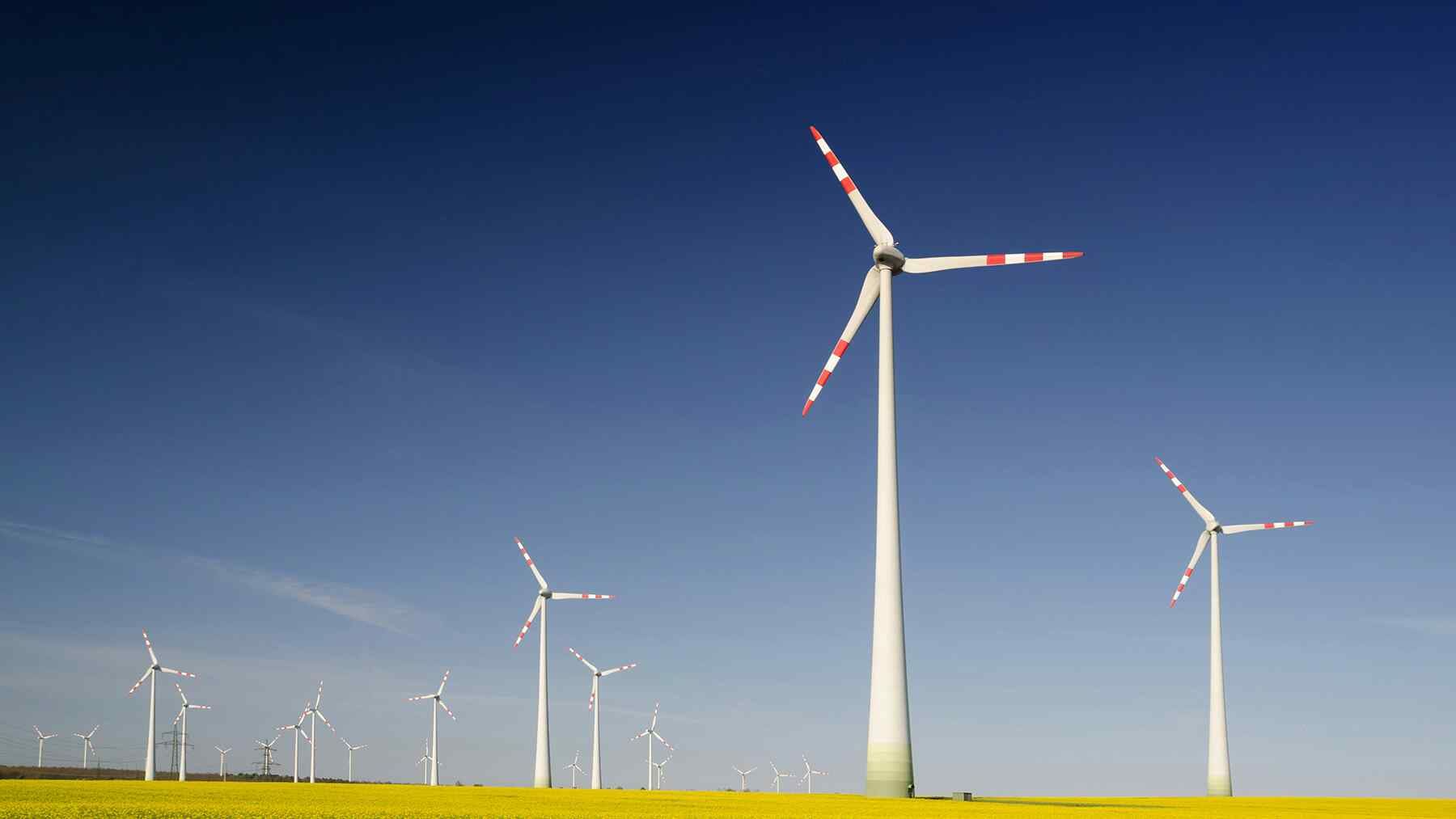
Germany remains the leading wind energy-producing country in the entirety of Europe, but other countries are maintaining great momentum in executing clean energy initiatives. The European clean energy landscape remains compact and united in reducing carbon emissions and achieving key objectives. This is important to the continent so much that countries want to allow foreign entities to enter and build massive facilities. While conventionalists may prefer local companies to spearhead initiatives, the contemporary landscape is built on intercountry collaborations. This explains why TGS has won agreement to conduct offshore wind site characterization studies in Europe.
Understanding how TGS was able to win a major contractual agreement
When news breaks about a company winning an agreement, it is important to understand that there were other nations that were in the running to win that very same contract. As such, governments tend to choose entities that have a great reputation and experience executing groundbreaking initiatives.
TGS is a premier global provider of energy data and intelligence, specializing in seismic data, subsurface imaging, and, as of 2025, expanding into renewables like offshore wind and CCS. It was founded in 1981 and is headquartered in Houston, Texas, and Oslo, Norway. Many might wonder why a U.S.-based company is at the heart of such an important initiative in Europe.
Firstly, the United States is a leading among the top two wind energy-producing countries in the world and can deliver massive facilities. As such, I will be pleased that Europe has called upon a U.S.-based developer that has extensive experience in delivering projects. The energy data company has secured a new agreement to carry out offshore wind site characterization studies across Europe, emphasizing its growing role in the renewable energy sector.
Unpacking the specific details behind TGS’s groundbreaking agreement
The contract displays the increasing demand for high-quality subsurface data to support offshore wind development. It also comes at the most appropriate time, considering that Europe is accelerating its transition toward cleaner energy sources. With this latest award, TGS continues to expand its footprint in offshore wind services and geophysical intelligence.
Kristian Johansen, who is the CEO of TGS, stated:
“We are very pleased to have secured our third offshore wind site characterization contract for the European summer season this year. With additional tenders in the market, there is potential to extend this year’s campaign into the fourth quarter.”
The company is clearly going through an exciting period and is eager to maintain the momentum. The new contract requires TGS to deliver a full suite of site characterization services, including data acquisition, imaging, and interpretation.
Reviewing the potential for TGS to evolve Europe’s wind initiatives
The main purpose of the studies conducted by TGS is to allow the entity to identify relevant seabed conditions and reduce risks during offshore wind farm construction. The company’s strategy depends on advanced geophysical technologies designed to map shallow subsurface structures with high accuracy and meticulousness.
Its proprietary Ultra-High-Resolution 3D streamer systems enable developers to comprehend geological conditions better before construction begins. The new agreement is not new but continues the trend of similar projects in Northern Europe, including previous contracts offshore Norway and the UK continental shelf.
Breaking down the incorporation of technology in TGS’s wind energy projects
A major component of TGS’s offshore wind operations is its seismic vessel Ramform Vanguard, which has been deployed in several European campaigns. The vessel possesses integrated geophysical sensors and streamer technology with the ability to deliver high-resolution datasets.
TGS is currently planning a broad European acquisition campaign that includes multiple offshore wind projects scheduled throughout the year. The option to combine offshore wind surveys with traditional oil and gas site studies improves operational efficiency.
Europe deserves a tremendous amount of credit for continuing to push boundaries in the clean energy landscape. If the continent continues on this trajectory, it will achieve all objectives with ease.
Prince is a versatile writer focused on energy, automotive, environmental, and general news topics. He makes complex technical and policy issues clear, engaging, and accessible for a broad audience.
