
At New York’s K&MH Martens Farms, heifers graze under solar panels while a 300-kW microgrid powers grain processing
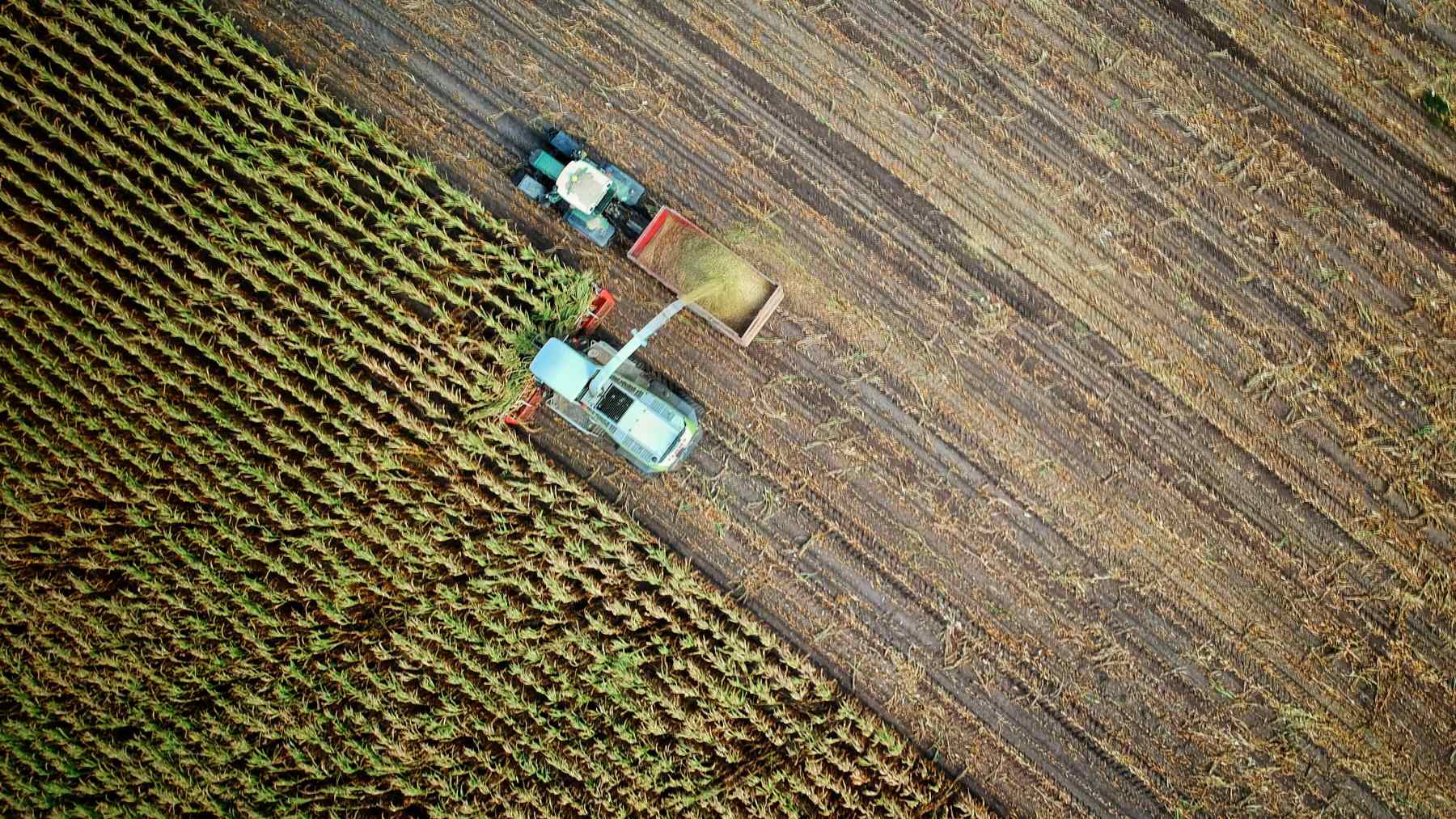
New York State is accelerating grid decarbonization while protecting agricultural land by deploying dual-use agri-solar systems.
The region has set ambitious state-level climate regulations that mandate a major increase in renewable capacity.
However, these projects often overlap with vital farmland, triggering immense conflict and opposition.
Ultimately, dual-use agrivoltaics is becoming more crucial in meeting state climate targets while protecting vital agricultural infrastructure.
To overcome these barriers, developers are turning to co-location of photovoltaics on the same agricultural sites.
Will co-locating offer a scalable blueprint for clean power generation and rural economic stability?
How New York’s electric grid is under growing pressure
Widespread electrification, digitization, and new large-load projects across the United States are pressuring regional grids.
New York State especially exemplifies this pressure, with up to 2,500 MW of new demand projected for 2035.
To prevent this immediate energy gap from growing, grid operators often rely on fossil-fuel generation.
Across the state, aging dual-fuel peaker plants and natural gas still account for almost 40% of power production capacity.
The fossil fuel units are, in particular, highly active during extreme winter and summer peak demand periods.
As a result, greenhouse gas emissions significantly increase, directly conflicting with state climate goals.
Under the Climate Leadership and Community Protection Act, the state must achieve 70% renewable electricity generation by 2030.
Furthermore, the grid must be fully decarbonized by 2040.
But to meet both rising power demand and statutory decarbonization targets, utility-scale clean energy deployment must accelerate.
Large-scale solar power generation has become increasingly essential to this.
Raising New York State’s solar capacity
The combination of utility-scale solar and battery facilities is rising across New York to meet rising energy demand more sustainably.
Photovoltaic systems offer highly affordable, rapid deployment timelines, representing the most direct route to achieving state targets.
However, accelerating the deployment of these projects faces severe spatial bottlenecks.
Commercial solar developments require vast expanses of flat, contiguous land.
In New York State, this often points to prime agricultural areas.
Over 20% of the state’s land is dedicated to farming, triggering immense competition with active agricultural operations.
Additionally, solar farms also threaten to disrupt occupied wildlife habitats, frequently triggering local pushback.
Consequently, developers must navigate complex municipal zoning laws, which can slow project development.
To overcome these land-use barriers, NYSERDA is advancing dual-use agrivoltaics across the state.
Its “Sun and Soil” initiative funds co-location projects that integrate photovoltaics directly into working farm operations.
This way, new acreage for green power expansion can be unlocked without competing over land.
Co-locating solar generation with livestock grazing
K&MH Martens Farms exemplifies the practical application of the Sun and Soil initiative.
The farm is in Yates County, New York, where organic grain production operates alongside active livestock production.
It also features a 300-kW solar system paired with integrated battery energy storage.
The farm secured $185,000 in funding in mid-2026 to develop the agrivoltaic co-location initiative.
This microgrid supplies the farm’s on-site grain processing operations with clean, reliable electricity.
However, the solar system also delivers livestock benefits.
The agricultural benefits of on-site solar generation
Heifers and dry cows can graze directly within the photovoltaic array footprint.
The panel configuration is designed to provide maximum shade for the animals during peak heat periods.
Furthermore, the dual-use layout improves soil health and protects existing pasture soils.
It also extends the growing season for cool-season grasses.
The project implementation is underway. Cornell University researchers are continuously monitoring the K&MH Martens Farms site to track overall performance and welfare.
Data obtained from the farm’s 300-kW microgrid will be accessible through open-access tools for farmers statewide.
This will help create a practical roadmap for other operating farms across New York interested in co-locating photovoltaics.
Ultimately, dual-use agrivoltaics is becoming more crucial in meeting state climate targets while protecting vital agricultural infrastructure.
Anke Maree is a writer with a clear and engaging editorial style. Her work focuses on making complex topics accessible, informative, and relevant for readers across different areas of interest.
