
Scientists were looking beyond solar power until they found a way to generate electricity from something as ordinary as oranges
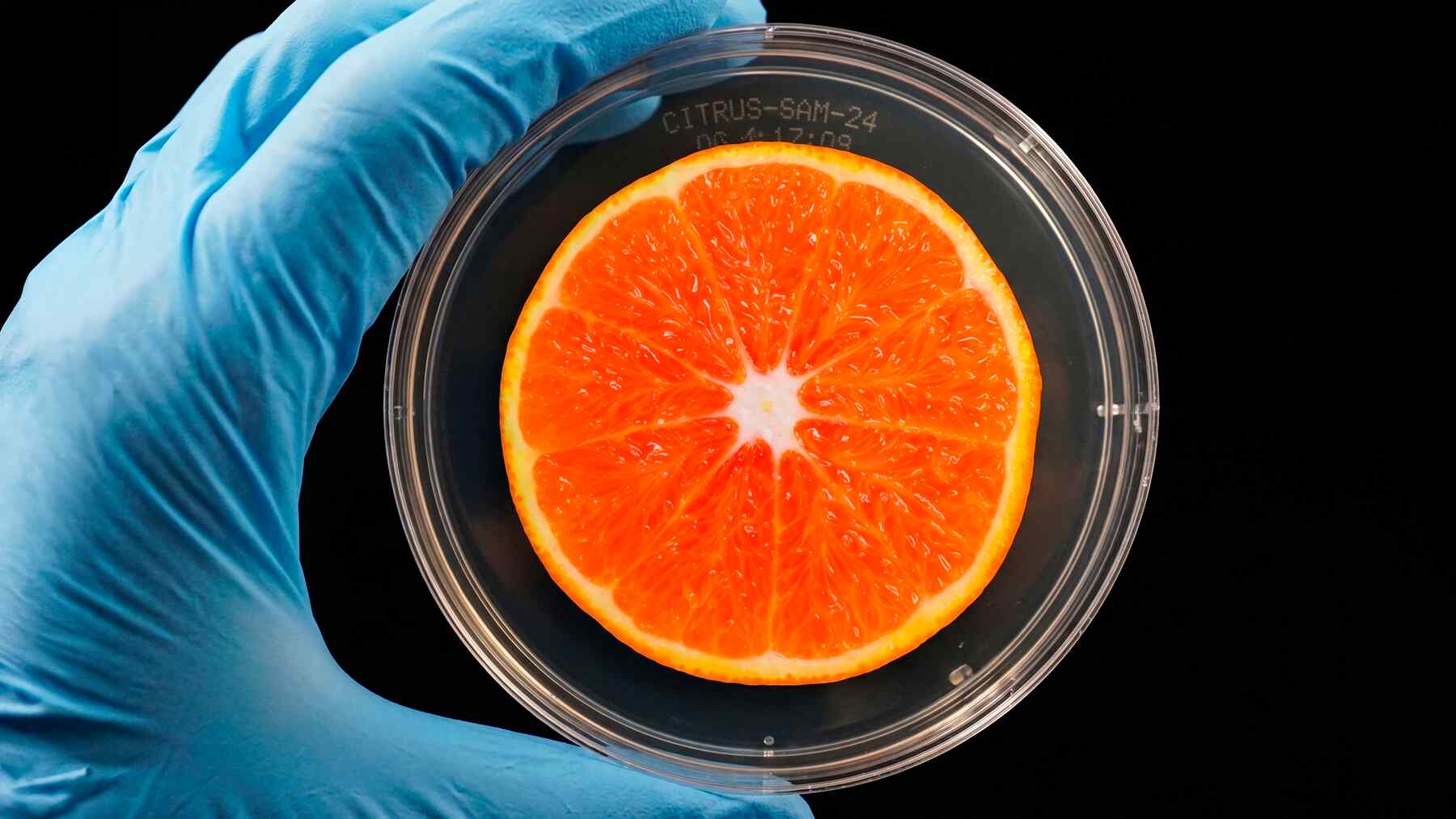 Credits: Edited, representative image
The flavor of sustainability can now be unlocked thanks to the energy pulsing through oranges.
Mankind first turned to the elements to generate clean electricity and lower carbon emissions to save the planet.
Now, even solar power struggles to keep up with the pace of climate change and its worsening effects.
This instability is behind the growing food insecurity emergency, where even the most “ordinary” crops face unreliable yields.
Preserving Earth and its natural resources is more challenging, but could an innovative approach help overcome it all?
How global warming is affecting fragile resources
The global climate crisis is shifting, placing unprecedented pressure on the world’s fundamental resources.
The warming of the planet has led to erratic weather patterns, including extreme rainfall and droughts. This has made seasons more unpredictable and difficult to plan for and adapt to.
For the world’s agricultural sector, these changes have ultimately altered the landscape.
This instability is behind the growing food insecurity emergency, where even the most “ordinary” crops face unreliable yields.
With the ever-rising population, global hunger is becoming a dire reality.
In an effort to address these issues, the industry has turned to intensive agricultural practices to boost production.
Giant irrigation projects, chemical fertilizers, and energy-intensive processing are being leaned on to squeeze every ounce of nutrition.
Unfortunately, industrial food production is warming the world even more.
This is why unique approaches are needed to break this self-defeating cycle.
When the sun is not enough to break free
Renewable energy sources, such as solar energy, were soon identified as the saviors of the planet.
Theoretically, it was straightforward: replacing carbon-heavy power with clean sources would neutralize the damage.
Soon, major investments were made to diversify the grid. In the U.S., solar growth strategies combined with community-centric projects were strengthened.
The hope was that green electricity would power irrigation and processing plants of the future.
Yet, the fastest solar transitions could not outpace the reality of the climate crisis and changing atmospheric patterns.
The intermittent nature of solar necessitates large arrays and additional storage systems to sustain intensive farming practices. This infrastructure is often as resource-intensive as the fossil fuels it aims to replace.
When all these consequences are considered together, the impact becomes too great to ignore.
Beyond food insecurity, crops have even lost their natural characteristics.
Fortunately, an innovative method has the potential to address this issue on the micro-scale.
Unlocking energy by sending pulses through an orange
While some experts are using citrus fruits to generate electricity, others are pulsing electricity through them to enhance them.
The CSIRO Food and Nutritional Sciences and the German Institute of Food Technologies collaborated to explore Pulsed Electric Field (PEF).
Their research indicates that using this technology does more than boost yield. You can review the study “Pulsed Electric Field Processing of Orange Juice: A Review on Microbial, Enzymatic, Nutritional, and Sensory Quality and Stability,” published in Comprehensive Reviews in Food Science and Food Safety.
PEF is used to kill bacteria without compromising the fruit’s natural flavor.
Using high-voltage electricity on a micro-scale
Electroporation is a process that sends short power pulses through oranges.
The pulses last mere microseconds and result in temporary micro-pores in the fruit’s cell membranes. The cells are “unlocked,” enabling easier, more efficient extraction of juice and nutrients.
This results in a vibrant color, fresh aroma, and an intact source of Vitamin C.
The micro-scale technology represents a key shift in how the world should address global food insecurity.
Using PEF instead of heat-intensive pasteurization methods ensures a 9.5% higher yield that looks and tastes the way nature intended.
It proves that these improvements can be achieved without the traditional processing environmental costs.
Finding smarter, more efficient methods to unlock existing resources is integral to true sustainability.
Anke Maree is a writer with a clear and engaging editorial style. Her work focuses on making complex topics accessible, informative, and relevant for readers across different areas of interest.
