
A dam so large it turned an entire river into a lake now moves over 24 billion liters of water every second
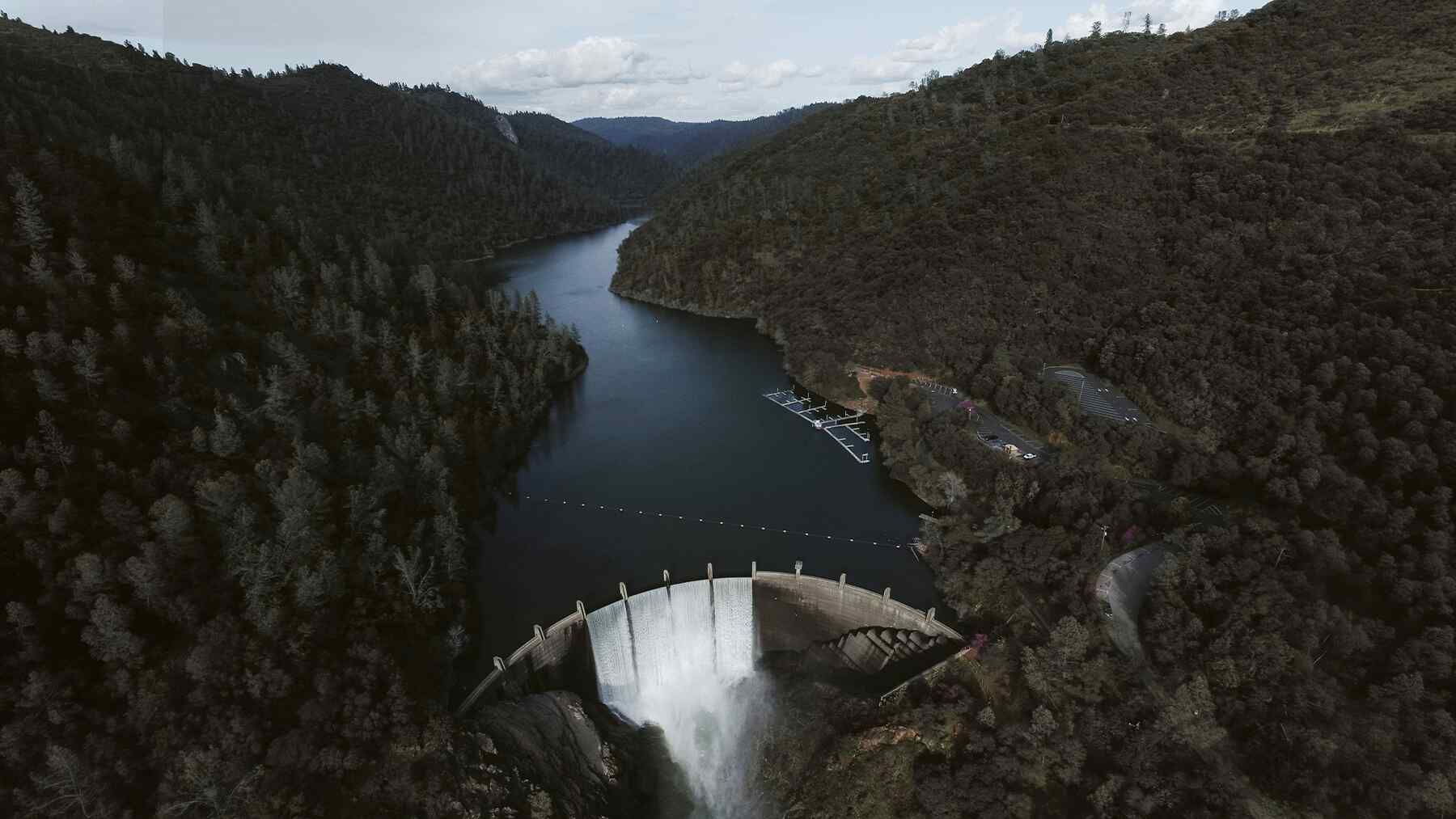 Credits: File, representative image
A massive dam and its lake prove that the power and complexity of water must never be underestimated.
The effects of climate change are rising global concerns about the rarest, most valuable resource on Earth.
Careful management and preservation, as well as the adoption of clean energies, are key to ensuring that it lasts longer.
While the 28-mile-long “forebay” is vital regarding the dam’s hydroturbines, its creation also had a list of ramifications.
But what happens to those that depend on it when it is captured but not treated as a living system?
How climate change is depleting the planet’s resources
As the atmosphere becomes warmer, humanity is left to deal with the consequences.
Weather patterns have become more difficult to predict and adapt to. This is attributed to rising temperatures, which cause the atmosphere to retain additional moisture.
Arid regions must face rapid evaporation, drier soil, and depleted reservoirs, while others try to navigate sudden, non-absorbent floods.
Others depend on seasonal systems that “naturally replenish.” This includes glaciers and snow-covered mountain storage in winter and slow release during summer.
Now that Earth is warmer, the melt occurs much more quickly, causing flooding that affects the environment and local communities. In the long term, permanent, steady supplies become lost forever.
Sea levels rise, compromising land and affecting wildlife. Coastal aquifers also become contaminated by salt, necessitating energy-intensive desalination.
If left untreated, agriculture is disrupted, which affects global food security.
It is a devastating cycle, which is why intervention is needed.
The power of renewal: Hydropower is stepping up
The most valuable resource on Earth is freshwater.
The prolonged dependency on fossil fuels has almost driven climate change and its effects to a point of no return.
Mankind has entered a new era of survival, as the UN has issued a global water “bankruptcy” warning. This is why intervention begins with the transition to clean energies.
Naturally replenishable power sources have become the cornerstone of a sustainable future.
While solar and wind energy have dominated this shift, hydropower has also become a major player.
It provides reliable, continuous electricity that can be instantly increased or decreased to meet demands. For this very reason, U.S. river-based hydropower projects are being prioritized.
In addition to power production, dams and reservoirs often serve multiple purposes, such as flood control and water for shipping.
However, as revealed by the International Joint Commission, if the infrastructure is mismanaged, it could worsen global scarcity.
From a river to a lake, and why the world should give a “dam”
Massive dam projects can solve one crisis while inadvertently causing another.
The Moses-Saunders Power Dam is a prime example of why balancing extreme engineering with ecological responsibility is important.
The St. Lawrence River’s geography was reshaped to create Lake St. Lawrence. This way, the dam could harness the river’s power.
While the 28-mile-long “forebay” is vital regarding the dam’s hydroturbines, its creation also had a list of ramifications.
The results that followed the Moses-Saunders Power Dam creation
A dozen historic communities, known as the “Lost Villages,” were flooded to create the dam. The river’s natural flow also had to be altered permanently.
Over 24 billion liters of water is moved every second, which causes the “Inversion Effect.” It means the dam pulls water faster than the river can replenish it.
The Moses-Saunders Dam indicates that renewable energy projects must not come at the cost of ecological collapse.
The river must be managed as a “living system” to prevent the destruction of shoreline wetlands that stabilize the environment.
Vital species depend on these natural water cycles, including the American Eel, Blanding’s turtle, and Northern Pike. In a world already facing potential “water bankruptcy,” responsible intervention will ensure the continued survival of all.
Anke Maree is a writer with a clear and engaging editorial style. Her work focuses on making complex topics accessible, informative, and relevant for readers across different areas of interest.
