
Golden Pass LNG begins commissioning phase as export operations start in Texas
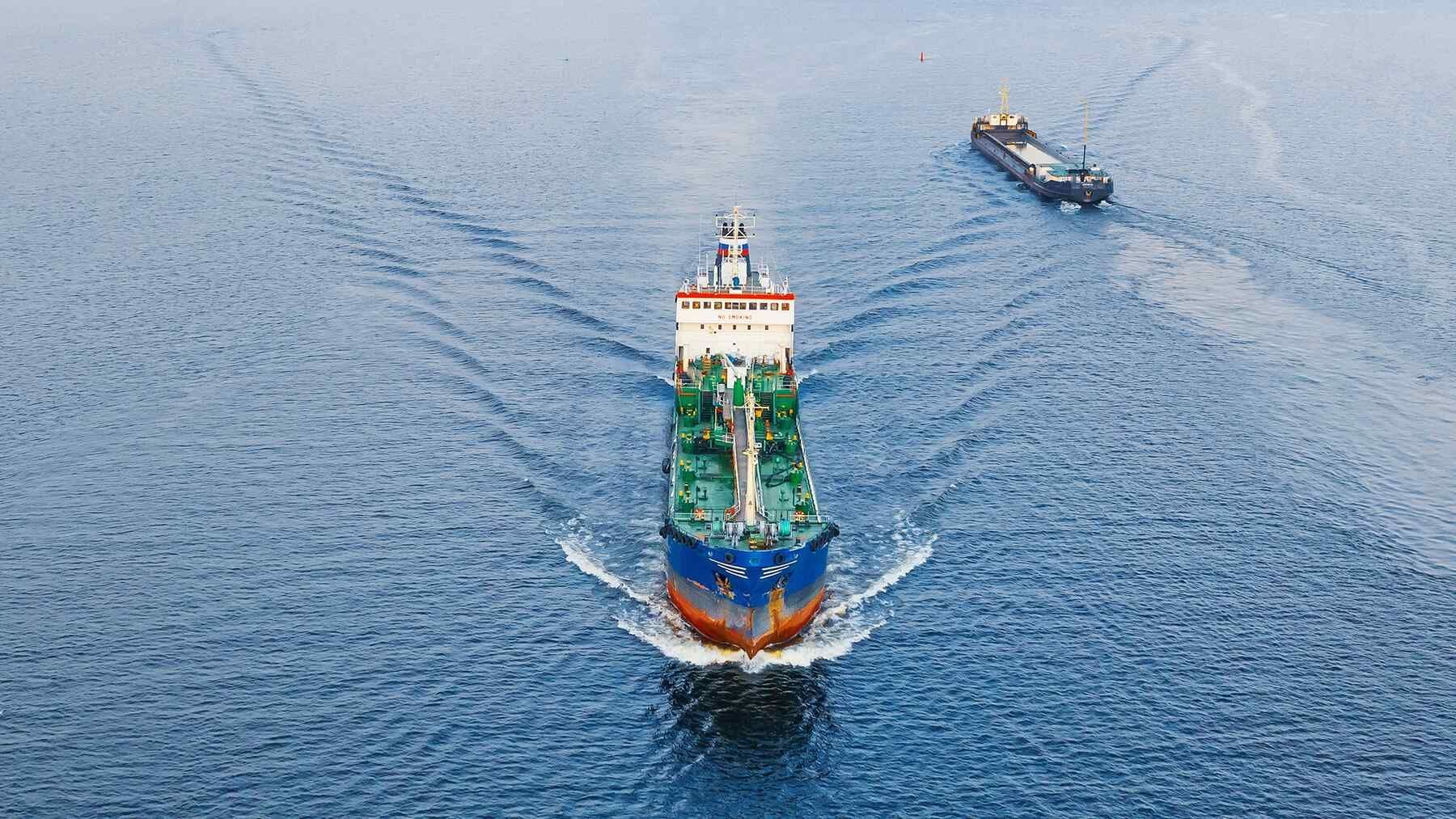
Texas-based Golden Pass LNG, located on the Gulf Coast, is finally starting to show signs of activity after years of development. While few people know anything about this project, which was originally intended to import LNG and then reverse that role to become one of the largest LNG exporters in the U.S., things have changed since construction began. It appears that the years of anticipation may soon come to fruition.
A terminal that has been years in the making
The Golden Pass LNG terminal, located at Sabine Pass, TX, will sit in a region already impacted by many years of developing energy-related infrastructure. For years, all we really knew about this terminal was contained in various planning documents, filings to regulators, and construction timelines.
Since the original intent of the project was to receive LNG imports and convert those facilities to send LNG offshore, there hasn’t been much attention paid to this development over the years. However, this has now changed.
The facility isn’t currently sending out steady shipments of LNG; however, it does represent the transition from simply being constructed to becoming operational.
Into the commissioning phase
Commissioning is when the new terminal’s systems are put through their paces; tested, tweaked, and fine-tuned so they function together in harmony during normal operating conditions. The facility isn’t currently sending out steady shipments of LNG; however, it does represent the transition from simply being constructed to becoming operational. As I mentioned before, gas is flowing, equipment is being tested and proven, and the terminal is transitioning from a construction zone to a functional terminal.
Why the timing of this commission matters now
While the term “commissioning” sounds somewhat like a mere formality (in terms of what needs to happen), the timing could provide insight into the current state of affairs. Right now, the global market for LNG remains sensitive to potential disruptions or shifts caused by geopolitics.
When the Golden Pass LNG terminal is completed and operational, it will be able to handle 18 million metric tons of LNG annually, placing it among other large-scale LNG export terminals in the U.S.
How the scale impacts Texas
In addition to the size of the project, it also impacts Texas directly. In fact, three liquefaction trains are expected to be built on-site. Each train is capable of converting millions of cubic feet of pipeline gas into liquid natural gas (LNG) for transportation overseas. A single liquefaction train has enough export capacity to meet a country’s annual demand for a couple of years. That sense of scale is part of why this phase is important.
Transitioning from testing systems to shipping cargoes
Ultimately, commissioning is answering a basic question: can you run this plant both safely and reliably? Based upon preliminary reports coming out of the area, it seems that progress is being made toward meeting that goal. Although the first liquefaction train has already produced LNG (and thus demonstrated that systems are working as planned and export operations are no longer just an abstract concept), this doesn’t mean that everything has been completed.
There still needs to be additional trains online, storage and marine systems aligned, and crews acclimated to 24/7 operations. Despite these remaining steps, this represents the practical start of Golden Pass LNG as an exporting entity versus a construction site.
As Golden Pass LNG begins to ship LNG regularly, it provides another piece to the puzzle of how the U.S. will continue to evolve in its role as a provider of natural gas supplies. Additionally, while the commissioning phase is certainly a time of increased clarity around expectations regarding the performance of Golden Pass LNG, it creates opportunities for conversations related to the larger issues surrounding global LNG trade and future generations of export projects along the Gulf Coast.
