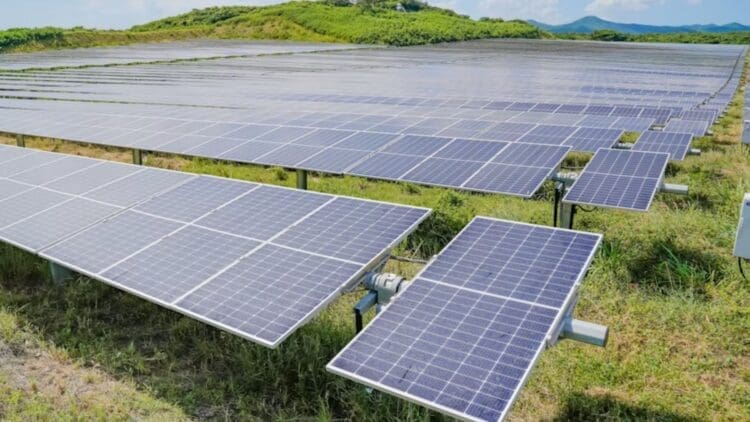

Ever since the energy industry openly embraced technological innovation, there has been an abundance of groundbreaking initiatives that might not have been possible before. Solar energy facilities have benefited massively from technology because developers are aware that there are no limitations to projects that they can execute and ways through which they can generate energy. As such, countries like the United States that possess tremendous wealth and resources have a massive advantage. MN8 commissioned 260 MW of new solar capacity to supply clean electricity for Microsoft operations in Texas and North Carolina.
MN8 set to become the designated energy supplier for Microsoft
MN8 Energy is one of the largest independent U.S. solar energy and decarbonization solutions providers. It is headquartered in New York and is well known for developing, owning, and operating approximately 4 GW of solar and battery storage projects across 30 states..
The fast growth of artificial intelligence, cloud computing, and data centers is causing enormous demand for electricity across the United States. As such, renewable energy developers and technology companies are trying to meet this demand by increasingly collaborating on large-scale clean energy projects.


MN8 Energy recently announced the commercial operation of two utility-scale solar facilities that go up to 260 megawatts (MW). The projects are located in Texas and North Carolina and further enhance Microsoft’s growing clean energy portfolio.
Texas and North Carolina set to receive two new solar projects courtesy of MN8
MN8 Energy revealed to the public that the newly operational projects include the 120 MW Long Point Solar facility in Texas and the 140 MW Herbert Solar facility in North Carolina. Together, the installations deliver 260 MW of solar generation capacity across two major U.S. electricity markets. The projects have been developed under long-term power purchase agreements (PPAs) with Microsoft.
Data centers are known to use massive amounts of electricity, so MN8 will assist the technology entity to secure additional renewable electricity for its ever-growing operations. The successful completion of the facilities displays MN8’s ability to develop, build, and operate large-scale renewable energy projects.
The company believes that the execution of the initiative represents the growing demand among major technology firms for reliable clean energy supplies.
MN8 Energy might be set to profit greatly from entering the lane of supporting energy-intensive digital infrastructure companies. With electricity demand from data centers increasing, solar power is becoming an essential element of corporate decarbonization strategies.
Understanding the overall impacts of the agreement for MN8 Energy
One of the massive advantages for Microsoft is that it was able to reach a long-term PPA, which permits it to support the construction of new renewable generation while securing predictable energy supplies and pricing. Moe Hanifi, Senior Vice President and Head of Revenue and Commodities at MN8 Energy, stated the following:
“As digital infrastructure scales across the U.S., energy solutions must scale with it. These projects deliver new solar capacity into two critical power markets and highlight MN8’s role as a partner to Microsoft in meeting their sustainability goals.”
Ultimately, the agreement demonstrates Microsoft’s wider commitment to reducing carbon emissions and sourcing increasing amounts of renewable electricity for its global operations.
Assessing the growing demand for electricity within data centers
Over the past few years, Microsoft has signed several renewable energy agreements across North America and internationally to support its climate objectives and growing network of data centers. The company has also reinforced that power purchase agreements play an integral role in bringing new renewable energy projects online.
Through expressing the desire to purchase electricity over lengthy periods, large corporate buyers provide developers with the financial certainty required to secure financing and build new generation assets. Ultimately, Microsoft’s renewable energy procurement efforts have expanded significantly in recent years.