
Douglas County PUD links hydropower generation with hydrogen production capabilities in integrated system rollout
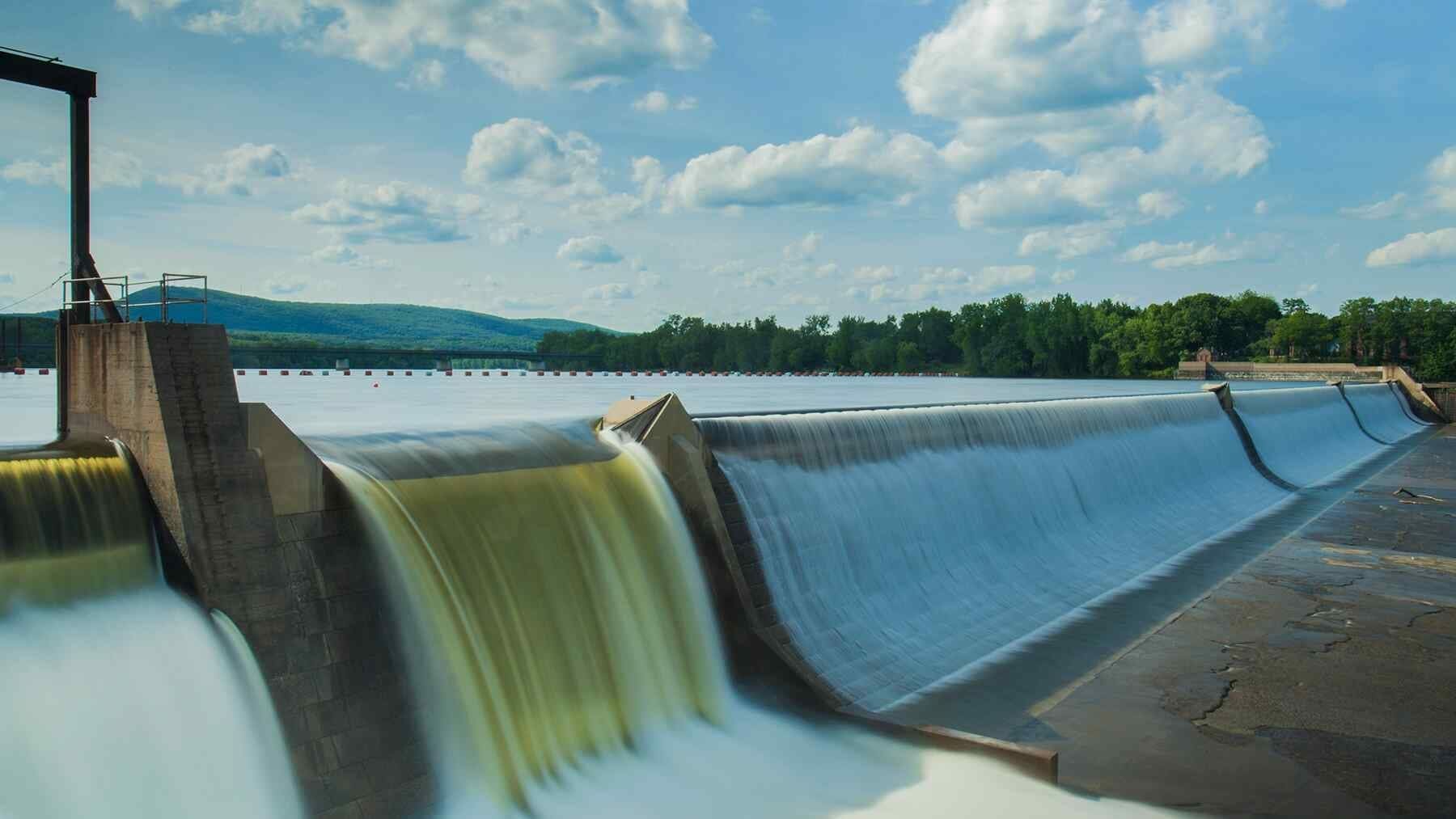
Hydroelectric power can seem “in place” as reliable and stable, but while the reliability of hydroelectric power is very dependable, behind that stability are constant adjustments made by utilities to their turbines to ensure the grid remains balanced. The constant adjustments made by these utilities over time create quite a wear on the turbine.
What does this mean for a large hydropower asset
The Douglas County Public Utility District (PUD) recently opened a new facility near the Wells hydropower asset. The Wells Hydroelectric Project is one of the largest hydroelectric resources in Douglas County and is considered critical to the utility’s customer base. Each day, the project responds to grid fluctuations by adjusting turbine units and supporting equipment to meet changing demand.
As these adjustments occur over time, they create maintenance burdens for the hydroelectric asset. Douglas County PUD’s leaders have stated that they are preparing for upcoming policy changes while preserving the value of Wells Dam. This implies that the challenges of producing clean energy are only part of the equation; managing that clean energy generation must be maintained under increasing uncertainty.
It is reasonable to assume that this indicates some degree of skepticism by the district toward why a public utility should develop a hydrogen production facility.
With these concerns in mind, the district held a ribbon-cutting ceremony for a renewable hydrogen production facility located in Baker Flats, East Wenatchee. Construction began in March 2021. According to the district, it will soon become the first renewable hydrogen production facility in the country that is owned and operated by a public utility.
A facility that raises questions
Baker Flats’ renewable hydrogen production facility uses electrolysis to separate hydrogen and oxygen molecules contained in water. The facility includes a five-megawatt electrolyzer that can produce up to two metric tons of hydrogen each day at maximum capacity.
At face value, this appears to represent another straightforward clean-fuel opportunity. However, during the ribbon-cutting celebration, the district encouraged attendees to submit questions regarding issues such as safety, economic feasibility, and technical operations. It is reasonable to assume that this indicates some degree of skepticism by the district toward why a public utility should develop a hydrogen production facility.
Additionally, the district refers to the project as a pilot program and states that the facility could expand in size depending on the results of the pilot. This detail is important because it demonstrates experimentation — the facility represents an experiment to determine if a new capability can coexist with an established system without disrupting what currently functions.
Why hydrogen is connected to Wells Dam operations
The district clearly explains how the hydrogen is tied to Wells Dam operations. The primary purpose of the pilot is to offer flexibility to the operating personnel at Wells Dam by providing them with the ability to send generation requests to the hydrogen electrolyzer.
Practically, this allows Wells Dam to limit mechanical turbine adjustments when balancing the grid, which the district says reduces ongoing maintenance demands. Rather than positioning hydrogen simply as a fuel, Douglas County PUD describes the facility as an operational tool designed to help maintain and preserve the existing hydropower asset.
Gary Ivory, General Manager of Douglas County PUD, said the investment not only produces fuel for vehicles but also helps preserve the Wells Dam asset valued by customers. Framed this way, the project is less about innovation and more about ensuring a critical public‑power resource continues to operate effectively as grid demands evolve.
Extending hydropower’s role
The Douglas County PUD’s initiative illustrates a quieter form of innovation: not replacing hydropower but extending how it performs as grid conditions grow more complex. If the pilot demonstrates lasting value, the next step is linking production to everyday use—something the district has already begun through its hydrogen fueling station.
